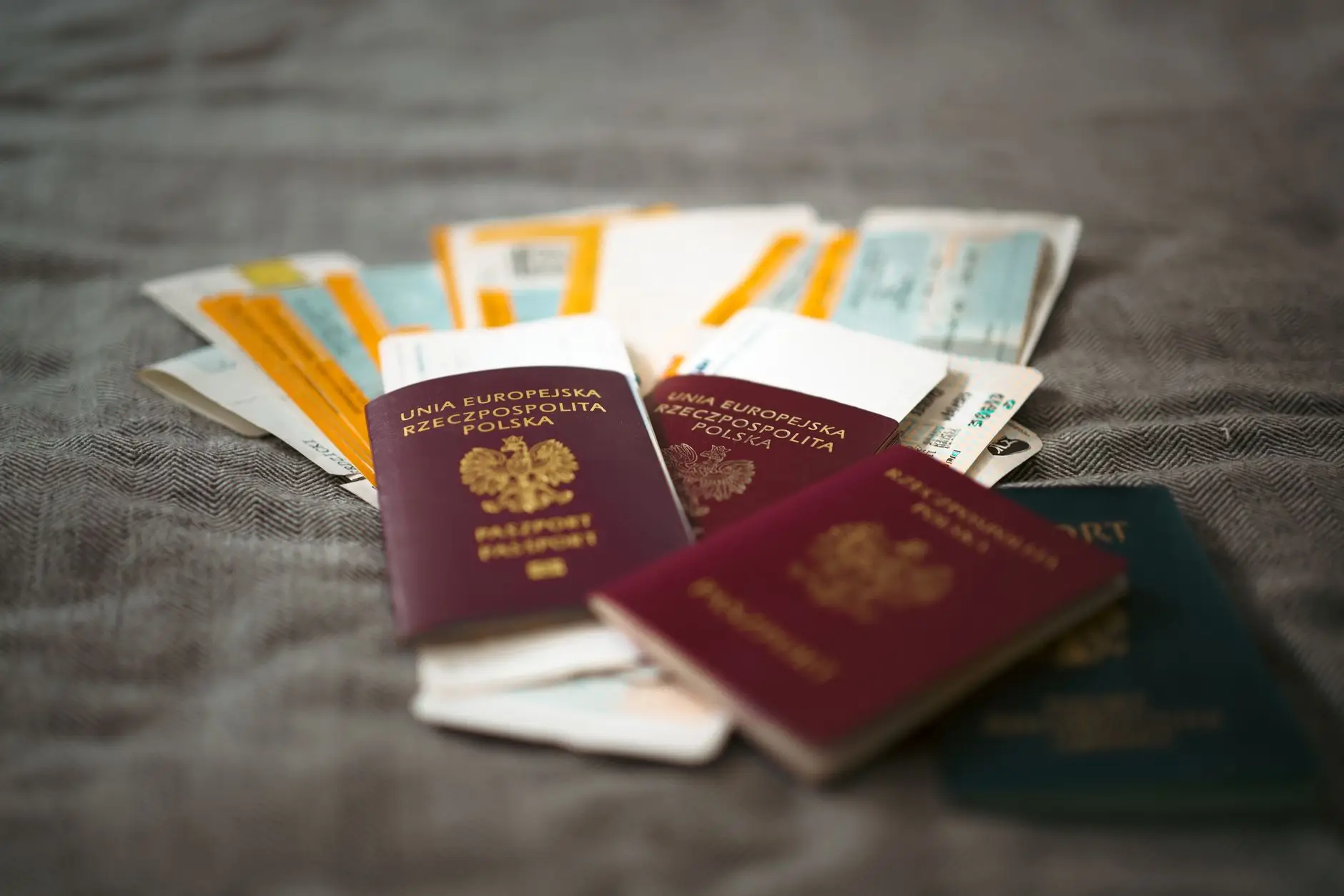
HM Passport Office permits British citizens to hold two valid passports simultaneously, yet the service remains underpublicised and lacks a dedicated application form. This facility serves frequent travellers, those navigating overlapping visa applications, or individuals moving between politically incompatible jurisdictions where visa stamps may complicate entry. dubai tax residency uk visa requirements international business travel
Eligibility and Genuine Need Criteria
The additional passport is not available on demand. Applicants must demonstrate genuine need, typically rooted in frequent business travel, study commitments, or operational realities of managing multiple visa applications.
Business customers must submit a letter from their employer on company headed paper, signed and dated within six months of the application date. The letter must articulate why the applicant requires a second passport—usually referencing visa processing delays, multi-country itineraries, or travel to regions with conflicting diplomatic relations. Frequent travellers and students must provide comparable supporting evidence alongside their current British passport or a colour photocopy of it.
HM Passport Office explicitly accommodates cases where applicants travel to incompatible countries—jurisdictions with political differences that may bar entry to travellers who hold visa stamps from adversarial states. For many professionals operating in the Middle East, for instance, concurrent Israeli and Gulf Arab visa stamps can create insurmountable border complications. A second passport resolves this by segregating travel histories.
Visa processing itself can render a passport unavailable for weeks. Some visa applications retain the passport for up to 30 working days, during which urgent travel becomes impossible without a secondary document. High-net-worth individuals with diverse asset holdings or family offices spanning multiple jurisdictions routinely face this constraint, particularly when managing tax residency status across territories such as Dubai where physical presence requirements demand frequent, time-sensitive travel.
The Online Application Process
There is no bespoke second-passport portal. Instead, applicants use the standard online passport application at gov.uk/apply-renew-passport or complete a paper form.
The procedure is counterintuitive. First-time applicants for a second passport must tick the box labelled 'Your first British passport' in Section 1, despite already holding a valid passport. In Section 8 ('More information'), applicants must explicitly state they are applying for a second passport for business or travel reasons, referencing the supporting documentation attached.
Alongside the application, submit a colour copy of every page of the current valid British passport, including all visa pages. This duplication ensures HM Passport Office can verify the existing document remains in use and assess the validity of the applicant's stated need.
A countersignature is mandatory. The countersignatory must be a non-related individual the applicant has known for at least two years, who works in a recognised profession and holds a British or Irish passport. This mirrors the standard passport countersignature requirement but can prove administratively cumbersome for individuals who have lived abroad for extended periods—a common scenario among those pursuing non-dom arrangements in jurisdictions such as Italy or Monaco.
Processing Times and Service Tiers
Standard processing takes approximately seven business days once the application reaches HM Passport Office, with the new passport dispatched to the applicant's UK residential address. Applications posted from overseas typically require four to six weeks, though expedited timelines of one week have been reported anecdotally.
For applicants in the United Kingdom requiring faster turnaround, HM Passport Office offers the one-week Fast Track service and the same-day Premium service. These paid upgrades mirror those available for standard passport renewals and can be booked online once the application is submitted. Individuals coordinating business travel alongside visa applications such as the UAE Golden Visa often rely on these premium services to minimise downtime.
Validity Periods and Multiple Passports
Additional passports fall into two categories: full-validity and overlap. A full-validity second passport is issued for the standard ten-year term and functions as a permanent dual-passport arrangement, subject to the holder maintaining genuine need. An overlap passport is issued for up to three months, designed for short-term scenarios where a primary passport is temporarily unavailable due to visa processing.
Most applicants receive two valid passports, but those requiring three or more must secure approval from a Higher Executive Officer or senior staff member. This threshold exists to manage administrative complexity and prevent misuse, though it remains rare for private individuals to justify more than two passports unless operating substantial cross-border business interests or managing complex family office structures.
Both passports carry the same passport number prefix but differ in their latter digits, allowing border control and visa-issuing authorities to distinguish between them. Travellers must ensure they use the correct passport when exiting and re-entering the same jurisdiction to avoid discrepancies in immigration records.
Practical Considerations for High-Net-Worth Travellers
The additional passport solves operational friction but introduces administrative obligations. Holders must track which passport contains which visas and ensure consistency when transiting countries with strict entry-exit matching requirements. Losing one passport does not invalidate the other, but both must be reported and replaced to maintain dual-passport status.
Tax authorities in certain jurisdictions scrutinise passport stamps as part of residency audits. Individuals maintaining non-dom status or zero-tax residency—whether through Portugal's former golden visa route or Middle Eastern tax regimes—should ensure their travel records across both passports align with the physical presence thresholds they are reporting. A mismatch between declared days and stamped entries can trigger enquiries.
The second passport does not confer additional rights or citizenship. It is merely a duplicate travel document, and holders remain subject to the same visa requirements, customs declarations, and immigration rules as any other British citizen. It does not, for instance, exempt holders from exit tax obligations when leaving UK tax residency, nor does it provide any advantage in citizenship-by-investment programmes elsewhere.
Why the Service Remains Obscure
HM Passport Office does not widely promote the additional passport service, and information on gov.uk is sparse. No dedicated landing page exists, and the facility is mentioned only within broader guidance documents. This opacity likely reflects a policy choice to limit demand and prevent casual applications from individuals without legitimate operational need.
For professionals managing international asset portfolios, cross-border tax planning, or frequent visa applications, however, the second passport is a straightforward administrative fix to a recurring logistical problem. The application process, while procedurally awkward, is well within the capabilities of any applicant accustomed to managing residency or immigration paperwork across multiple jurisdictions.
Last verified: 21 April 2025