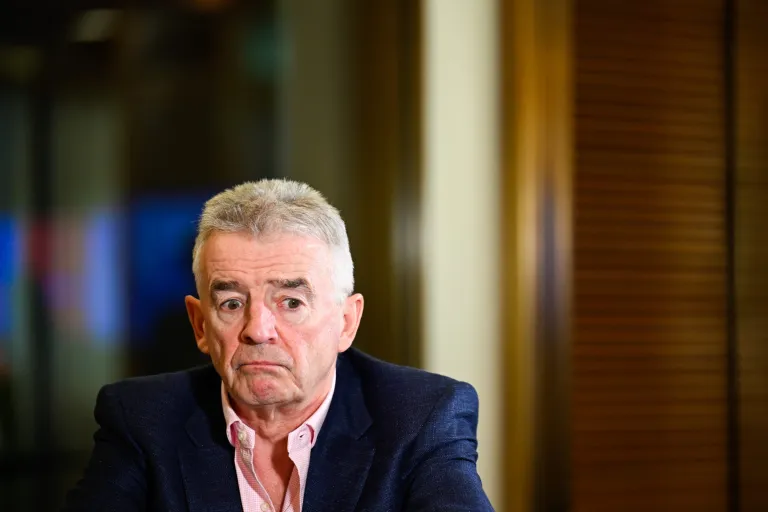
Ryanair chief executive Michael O’Leary has renewed pressure on airports to curb early-morning alcohol sales, arguing that bars serving beer at dawn are pushing the consequences of intoxicated passengers onto airlines.
The comments put airport alcohol rules back under scrutiny at a time when carriers are trying to reduce costly diversions, crew disruption and safety risks linked to unruly passengers. O’Leary told The Times he could not see why airport bars should be serving alcohol at five or six in the morning, asking, “Who needs to be drinking beer at that time?”
O’Leary Wants Airports to Share the Burden
O’Leary said disruptive passenger behaviour has become a daily operational problem for Ryanair, Europe’s largest low-cost carrier. He argued that airlines are left to manage passengers who may have consumed too much alcohol before boarding, while airports benefit from bar and restaurant sales.
Ryanair has called for alcohol sales in airports to follow normal licensing hours more closely. O’Leary also backed a two-drink airport limit, with purchases tracked through boarding-pass scans.
The proposal reflects a long-running tension in air travel. Airlines can control alcohol served on board, but they have far less visibility over what passengers drink before reaching the gate. That gap becomes more difficult to manage when flights are delayed and passengers spend longer in terminals.
The issue is not limited to Europe. The Federal Aviation Administration recorded a sharp rise in unruly passenger reports during the pandemic period, peaking at 5,973 cases in 2021, before falling after tougher enforcement. The FAA has kept a zero-tolerance approach for serious incidents, while warning airlines not to allow visibly intoxicated passengers to board.
The Airport Bar Is Now a Safety Question
Airport drinking has long been treated as part of the leisure travel experience. Early flights, holiday departures and long layovers have helped make terminal bars unusually resilient retail spaces, even when normal drinking hours outside the airport would look very different.
But aviation groups increasingly treat alcohol as part of the wider unruly-passenger problem. The International Air Transport Association says prevention requires cooperation between airlines, airports, retailers and authorities, including responsible alcohol sales before travel.
For airports, any clampdown would create a commercial trade-off. Food and beverage sales are an important part of non-aeronautical revenue, especially as airports look beyond landing fees and passenger charges. For airlines, the cost of one serious disruption can be far higher than the margin on terminal drinks, involving delays, crew hours, compensation exposure and potential diversions.
Ryanair has already made alcohol-related disruption a legal and financial issue. In 2025, the airline sought more than €15,000 from a passenger after a Dublin to Lanzarote flight diverted to Porto following alleged disruptive behaviour.
Boarding Passes Could Become the Control Point
O’Leary’s boarding-pass proposal would shift alcohol monitoring from bar staff judgment to passenger-level tracking. That would be controversial, but technically simple in airports where boarding passes are already scanned for retail purchases, lounge access and duty-free checks.
The next question is whether regulators or airports have the appetite to impose limits that could reduce revenue and irritate travellers. Airlines are likely to keep pressing the issue because diversions can quickly turn one passenger’s conduct into a full-flight disruption.
For business travellers and holidaymakers alike, the debate signals a change in how airports may treat pre-flight drinking. The terminal bar may still be part of travel culture, but airlines are increasingly arguing that safety rules should not stop at the aircraft door.