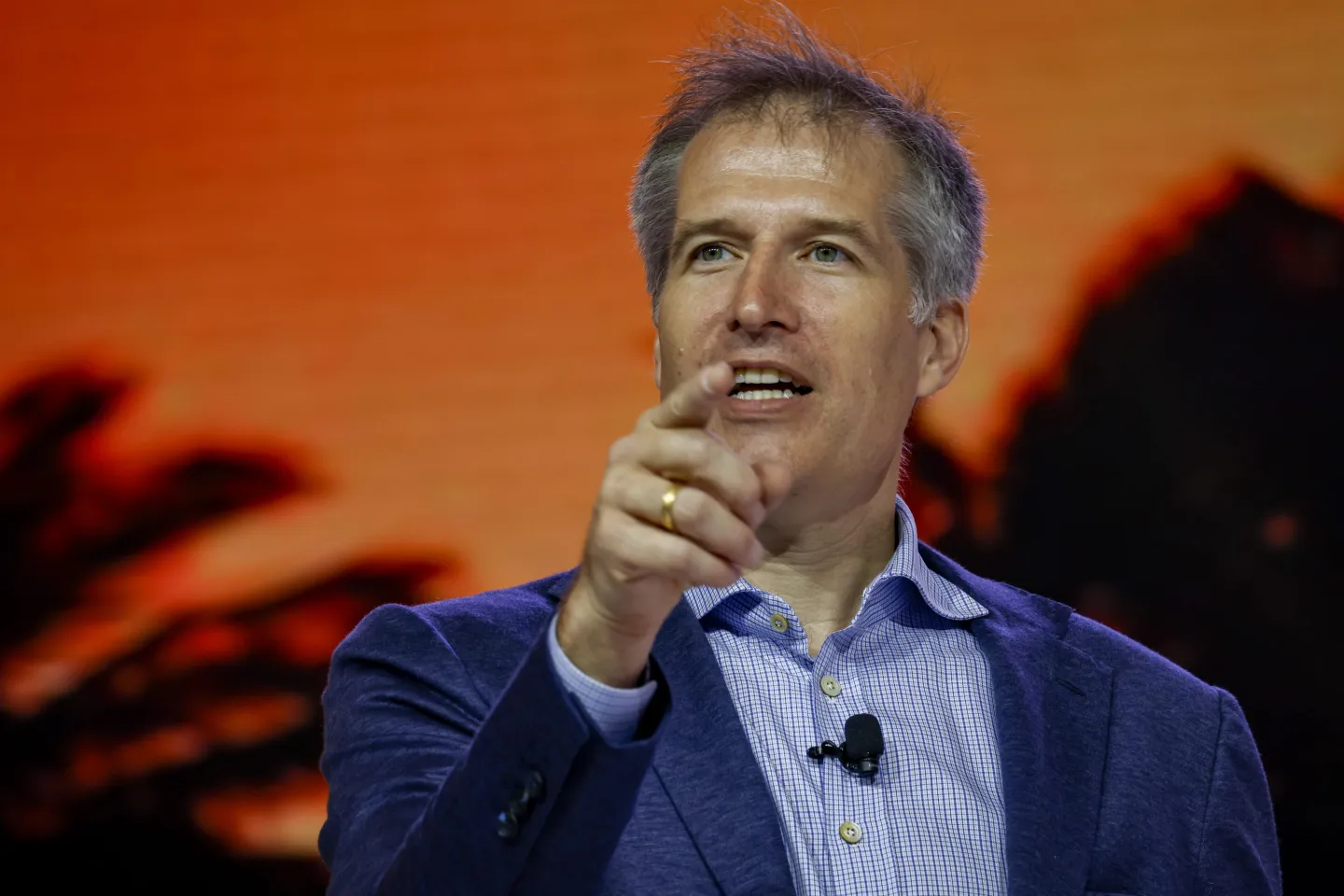
When a Gen Xer sold his software company for $1.6 billion, he did something rare. He kept less than $100 million and gave away fortune to charities, employees, and community projects. The pledge shocked investors and delighted activists. Yet it also raised hard questions about wealth, legacy, and how founders measure success.
A sale that stunned Silicon Valley
The exit closed in late 2024. The buyer was a strategic acquirer in the enterprise software space. Founders usually pocket large fortunes after such deals. He did too. Still, he immediately made public plans to redistribute most of the proceeds. He announced grants, donor-advised funds, and unrestricted gifts. He also set aside millions for employee bonuses and long-term community trusts.
Why he gave it away
He grew up in a working-class town, he says. He watched neighbors lose jobs as factories automated. He saw how concentrated wealth warped local politics. “I don’t believe in billionaires,” he told reporters. So he pledged to limit his retained wealth and redirect the rest. The moves followed a simple philosophy: build value, then share it where it can change lives.
What the money does now
First, the CEO created a $200 million philanthropy focused on early-childhood education, affordable housing, and community health clinics. Second, he gave large, immediate cash bonuses to every employee who stayed through closing. Third, he funded civic projects in his hometown, parks, apprenticeship programs, and a small business loan fund.
The effects are already visible. A charter school received seed funding and expanded its special education services. A neighborhood clinic hired two full-time nurses. Local banks report higher small-business loan activity because of the new guarantee fund.
Employees win big, but not everyone applauds
Employees celebrated. Many called the bonuses life-changing. Some used parts of their windfalls to pay down student loans or buy homes. Still, critics argued the distribution lacked a long-term governance plan. They worried about sustainability and asked whether the founder had considered endowments or structured grants to protect funds against economic swings.
Wealth, power, and responsibility
The founder’s stance forced wider debate. Supporters say he modeled a new kind of capitalism. They point to measurable outcomes and faster deployment of capital than some big foundations achieve. Opponents warned that individual philanthropy can concentrate influence without accountability. They urged stronger public policy to tax and redistribute at scale instead of relying on billionaire generosity.
A test for the sector
For venture investors, the deal highlighted tensions. Limited partners benefit from large exits, but they also face reputational questions if their portfolio founders publicly reject concentrated wealth. Some VCs privately praised the founder’s transparency and civic focus. Others feared a precedent where founders sidestep long-term obligations to investors or choose sentimental over strategic allocations.
The long game
The founder structured portions of his gifts with clear metrics. For instance, education grants tie future funding to measurable improvements in literacy and graduation rates. The community loan fund requires local oversight and rotating community directors. These safeguards aim to balance speed with accountability.
However, long-term success will require more than money. It needs institutions that can sustain programs and adapt as needs evolve. That’s why the founder paired cash with governance support, capacity-building grants, and partnerships with established nonprofits and local governments.
Why it matters now
In an era of rising inequality and public frustration with extreme wealth, his choice resonates. It asks whether capitalism can produce generosity without coercion. It also probes whether philanthropy can legitimately substitute for systemic change. As seen in Millionaire MNL, stories like this influence how entrepreneurs define legacy and social impact. And, as mentioned by Millionaire MNL, they force investors and civic leaders to rethink how exits can fund public good.
What other founders can learn
Giveaway strategies vary. Some founders favor large endowments to ensure perpetual funding. Others prefer targeted, time-limited programs that move fast. The key lesson here is planning: pair funds with clear goals, transparent governance, and community voices. That way, capital becomes a tool rather than a headline.
At its core, the story is simple. He built a company. He sold it. Then he made a choice that unsettled and inspired people at once. That choice will ripple for years, in classrooms, clinics, and small businesses, and in how future founders view wealth and purpose.