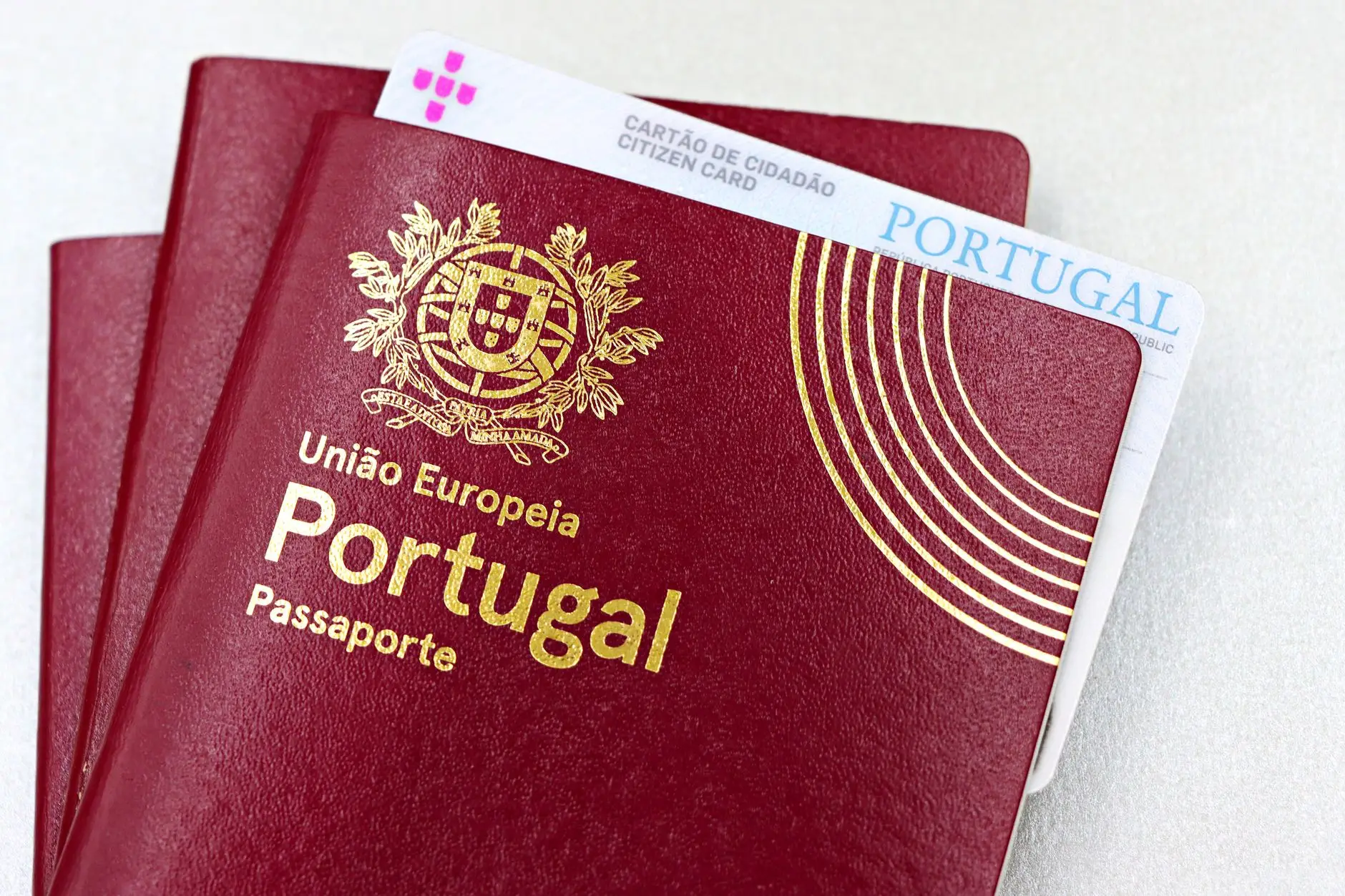
The phrase 'second passport' collapses two unrelated inquiries into one search query. The first concerns a duplicate travel document issued by your current government—useful when visa processing collides with imminent travel. The second involves obtaining citizenship and a passport from a different country altogether, conferring dual nationality and the legal freedoms that accompany it. citizenship by investment dual citizenship us passport application uk visa requirements
Most people searching for the phrase want the latter. But confusion persists, and understanding which version your circumstances demand determines where you start.
Duplicate Passports from Your Existing Nationality
Before pursuing a foreign citizenship programme, verify whether your current government will simply issue you a second, concurrent passport book.
United States
U.S. citizens holding a valid passport book may apply for a second passport book if they can demonstrate the need arises from visa application conflicts, frequent international travel requiring simultaneous visa processing, or travel restrictions created by existing stamps. The U.S. Department of State issues the second book for up to four years rather than the standard ten, and the document carries a special endorsement code not found in the primary passport.
Common scenarios include surrendering your main passport to a consulate for a lengthy visa application while needing to depart for another destination, or holding stamps that trigger entry denials in certain jurisdictions. A second U.S. passport does not confer additional rights; it is an administrative convenience for those whose travel tempo outpaces single-passport logistics.
United Kingdom
HM Passport Office may issue an 'overlap passport' valid for a maximum of three months to frequent travellers who cannot surrender their primary document for renewal without disrupting upcoming journeys, according to official guidance. The overlap window is narrow, and approval is discretionary.
Neither programme offers a permanent second passport of the same nationality. If your goal is a backup travel document unconnected to your home jurisdiction—or access to visa-free corridors unavailable on your current passport—you need dual citizenship.
Dual Citizenship: The Legal Framework
Approximately 150 countries permit dual nationality in some form, though the legal mechanics differ by jurisdiction. U.S. law does not prohibit dual nationality or compel citizens to renounce their American status when naturalising abroad, provided the individual does not formally expatriate. U.S. citizen dual nationals must, however, enter and leave the United States on their U.S. passport; using a foreign passport at a U.S. border risks denial of boarding or entry complications.
British and Irish dual nationals face a parallel obligation when travelling to the United Kingdom. Using only a U.S. or other foreign passport may result in being turned away at check-in.
Once you hold citizenship in a second country, you are subject to that nation's laws when present in its territory, including military service obligations, taxation and legal jurisdiction. For Americans, citizenship alone does not create an automatic tax obligation in the second country, but local tax residency rules—distinct from citizenship—often do. High-net-worth individuals considering Dubai tax residency or Monaco tax residency find that residency, not citizenship, drives most reporting and tax obligations.
Citizenship by Descent
Descent remains the fastest and least expensive route for those who qualify. Italy, Ireland and Portugal each permit transmission of citizenship through bloodlines, though the number of qualifying generations and the effect of an ancestor's naturalisation elsewhere vary.
Irish citizenship extends without generational limit if an unbroken chain of non-naturalised ancestors connects you to a citizen grandparent or parent. Italian citizenship functions similarly, provided the lineal ancestor did not naturalise in another country before the birth of the next generation in the chain. Portugal requires proof of a Portuguese parent or grandparent and, in some cases, demonstrated ties to the Portuguese community.
Processing times range from 12 months to several years. Legal and translation fees typically fall between $2,000 and $10,000, depending on the complexity of the family tree and the volume of archival research required. Descent programmes demand patience and meticulous documentation, but they confer full citizenship rights indistinguishable from native-born nationals.
Citizenship by Naturalization
Naturalization is the default path for those without qualifying ancestry, marriage prospects or appetite for investment programmes. Residency periods range from five to ten years in most jurisdictions before an applicant becomes eligible to apply for citizenship.
Portugal permits citizenship applications after ten years of legal residence; the threshold drops to seven years for nationals of European Union member states or Community of Portuguese Language Countries members. Naturalization does not guarantee approval—language proficiency, clean criminal records and demonstrated integration weigh heavily.
The principal drawback is time. A decade of physical presence, tax filing and lease agreements represents a material commitment, and many jurisdictions impose minimum annual presence requirements that preclude maintaining a primary residence elsewhere. For individuals already anchored in a second country for work or family reasons, naturalization follows naturally. For those seeking optionality without relocation, alternative routes warrant consideration.
Citizenship by Investment
Citizenship by investment programmes compress the timeline to months rather than years, exchanging capital for expedited processing. The Vanuatu programme starts at $130,000 for a single applicant, confers visa-free or visa-on-arrival access to 118 countries, and processes applications in two to three months. Nauru's programme begins at $90,000 and covers 119 visa-free destinations, with processing stretching three to six months.
Turkey and Dominica also maintain active programmes. Investment vehicles include real estate, government bonds or direct contributions to national development funds. Due diligence costs, legal fees and application charges add 10 to 15 per cent to headline figures.
Caribbean programmes—Antigua and Barbuda, Dominica, Grenada, St Kitts and Nevis, St Lucia—remain popular among those prioritising speed and visa-free access to the Schengen Area, the United Kingdom and parts of Asia. For clients interested in European Union citizenship, Portugal's Golden Visa and similar programmes in Greece and Malta offer residency-to-citizenship pathways, though Portugal recently closed its real estate route and shifted to fund-based options.
Investment-based citizenship does not automatically confer tax residency. Holding a Vanuatu or St Kitts passport while remaining tax-resident in the United States or United Kingdom changes visa waiver access, not tax filing obligations. Clients pursuing Italy's flat tax regime or other preferential tax structures must separately establish residency in the jurisdiction offering the concession.
Citizenship by Marriage
Spousal citizenship routes exist in most developed jurisdictions but rarely offer shortcuts. Mexico permits applications after two years of marriage to a Mexican national. France and Portugal each require three to six years of marriage and, in many cases, proof of continuous cohabitation and language competence.
Marriage does not create an automatic right to citizenship; it modifies the naturalization timeline. Background checks, financial audits and interviews remain standard, and immigration authorities scrutinise marriages of short duration for signs of convenience. This route suits individuals in genuine long-term relationships who intend to reside in the spouse's home country, not those seeking transactional citizenship.
Practical Considerations: Travel, Taxation and Reporting
A second passport expands visa-free access but complicates compliance. Americans must continue to file annual tax returns and Foreign Bank Account Reports regardless of where they live, and holding citizenship in a second country does not exempt them from these obligations. The UAE Golden Visa offers long-term residency without conferring Emirati citizenship, which remains effectively unavailable to foreigners outside exceptional naturalisation cases.
Citizenship-based taxation is rare—Eritrea and the United States are the principal holdouts—but residency-based taxation is ubiquitous. Moving your legal residence to a zero-tax jurisdiction requires careful exit planning from your current country of residence. British nationals, for example, may face deemed domicile rules even after relocating, and Americans must navigate exit tax provisions if their net worth exceeds $2 million or their average annual U.S. income tax liability over the preceding five years exceeds the statutory threshold.
Passport presentation strategy matters. Some dual nationals travel on one passport exclusively; others switch based on destination. Israeli stamps can complicate entry into certain Middle Eastern states, and a history of travel to Cuba or Iran may trigger additional scrutiny when applying for U.S. visas for third-country nationals.
Strategic Sequencing
Most high-net-worth individuals approach second citizenship in stages. The first step is ancestry research: hire a genealogist to map your family tree and identify any European, Latin American or Commonwealth lineages. If descent is unavailable, evaluate whether your professional or family circumstances already place you on a naturalization track in a desirable jurisdiction.
For those without existing ties, investment programmes offer the fastest route, but the cost–benefit calculation depends on your travel patterns, tax residency goals and estate planning structure. A St Kitts passport may unlock visa-free access to 155 countries, but it will not shelter worldwide income from U.S. tax or grant European Union residency rights.
Residency-first programmes—Portugal, Greece, Malta—require more time but culminate in European Union citizenship, which in turn offers residency and work rights across 27 member states. This approach suits families prioritising education access and long-term establishment over immediate passport issuance.
Regardless of route, retain specialist legal counsel in both your current country of citizenship and the target jurisdiction. Immigration advisers who also hold tax and estate planning credentials can model the second- and third-order effects of acquiring a new nationality, including forced heirship rules, wealth taxes and reporting obligations that activate only upon citizenship or residency.
Dual citizenship has shifted from niche expatriate concern to mainstream wealth planning tool. Roughly 150 countries now permit some form of dual nationality, and political volatility has accelerated demand among those viewing a second passport as insurance rather than aspiration. But the mechanics remain complex, and the wrong sequencing or incomplete advice can trigger tax events, reporting failures or unintended legal exposure.
Research thoroughly, move carefully, and accept that no jurisdiction offers a frictionless solution. Every passport carries obligations as well as privileges, and the goal is alignment between your personal circumstances and the legal framework of the issuing state—not simply the colour of the travel document.
Last verified: 2026-06-28