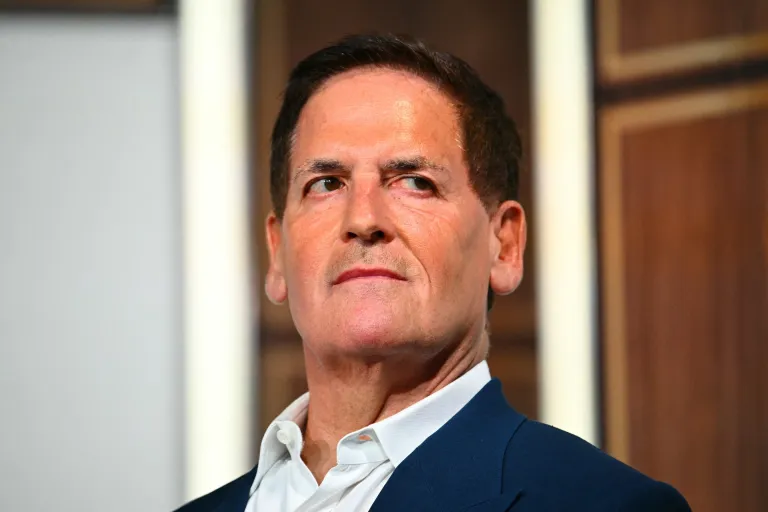
Billionaire investor Mark Cuban has threatened to stop backing California startups if voters approve a proposed one-time tax on billionaire wealth, escalating a dispute with Democratic Representative Ro Khanna over how the measure could affect founders whose fortunes are largely tied up in company shares.
The California billionaire tax, due to go before voters in November, would impose a levy of up to 5% on covered assets held by individuals and trusts worth more than $1bn. Supporters say the money could protect health care and other public services, while Cuban argues the structure could penalise entrepreneurs who have substantial paper wealth but limited cash.
Cuban Says Startup Founders Could Face a Liquidity Problem
The dispute intensified after Khanna promoted Proposition 40 on X, saying the measure would apply to about 250 California billionaires and help prevent working and middle-class residents from losing health coverage.
Cuban focused his criticism on founders of highly valued private companies. A financing round can give a startup a valuation of $10bn or more without providing its founders with anything close to the cash implied by their ownership stakes.
“They are the definition of cash poor, stock rich,” Cuban wrote.
That distinction matters because a tax on net wealth differs from a conventional income tax. California’s Legislative Analyst’s Office notes that billionaire fortunes can include businesses, shares and other investments, meaning taxpayers may not necessarily hold enough cash to meet a liability without borrowing or selling assets.
Cuban said the proposal would change his own investment decisions. “If this passes, only idiot startup founders stay in Cali,” he wrote, adding that he would require prospective investments to be located outside California.
Khanna suggested a possible mechanism for founders with illiquid holdings. Under his proposal, they could pledge shares to the state and receive a nonrecourse government loan to cover the tax. After a limited period, potentially 10 years, the founder could repay the loan or the government could take the pledged equity.
Cuban rejected the idea, arguing it could leave California holding stakes in private companies.
The Fight Goes Beyond a Single Tax Bill
The argument highlights a broader policy challenge surrounding taxes on wealth rather than income. Publicly traded shares can usually be sold relatively easily, but private-company stakes may be difficult to value and convert into cash. A founder can therefore cross a billion-dollar net-worth threshold without having received a comparable financial windfall.
Khanna argued that such founders represent a relatively narrow group. He said 72% of billionaire wealth is held in publicly traded shares, making liquidity less of an obstacle for most people who would fall within the measure.
Proposition 40 is expected to raise tens of billions of dollars over several years, according to California’s Legislative Analyst’s Office. The proposal would direct 90% of the proceeds toward health care, with the remaining funds supporting food assistance and education-related programmes.
The economic question extends beyond how much revenue the measure could initially collect. Wealth taxes can also influence decisions about residency, company formation and where investors deploy capital. If enough wealthy taxpayers relocate before becoming liable, the eventual revenue base can differ from estimates based on existing residency patterns.
That issue carries particular weight in California because technology founders can choose where to establish new businesses while venture investors can allocate capital across state lines. Cuban’s threat does not establish that a broader investment shift will occur, but it illustrates one potential behavioural response policymakers must consider alongside projected tax receipts.
Opposition has already extended beyond Cuban. Other wealthy Californians have challenged the proposal, and six billionaires had ended their California residency before a Jan. 1 deadline, according to the source report. Anduril Industries co-founder Palmer Luckey has also publicly clashed with Khanna over the measure.
November Vote Will Test California’s Billionaire Tax Strategy
The immediate test will come when California voters decide Proposition 40 in November. Until then, the debate is likely to centre on two competing questions: whether billionaire wealth represents a viable source of funding for public services, and whether taxing that wealth could encourage some of the state’s richest residents and entrepreneurs to move elsewhere.
For investors and startup founders, the details surrounding private shares could prove especially important. Valuation rules, liquidity provisions and any mechanism for deferring payment could determine whether the measure primarily affects established holders of liquid assets or also creates significant obligations for founders whose wealth remains concentrated in privately held companies.
The outcome could therefore matter beyond the Californians directly subject to the tax, particularly if other states view the vote as a test of whether wealth-based taxation can raise substantial revenue without materially changing where entrepreneurs and capital choose to locate.