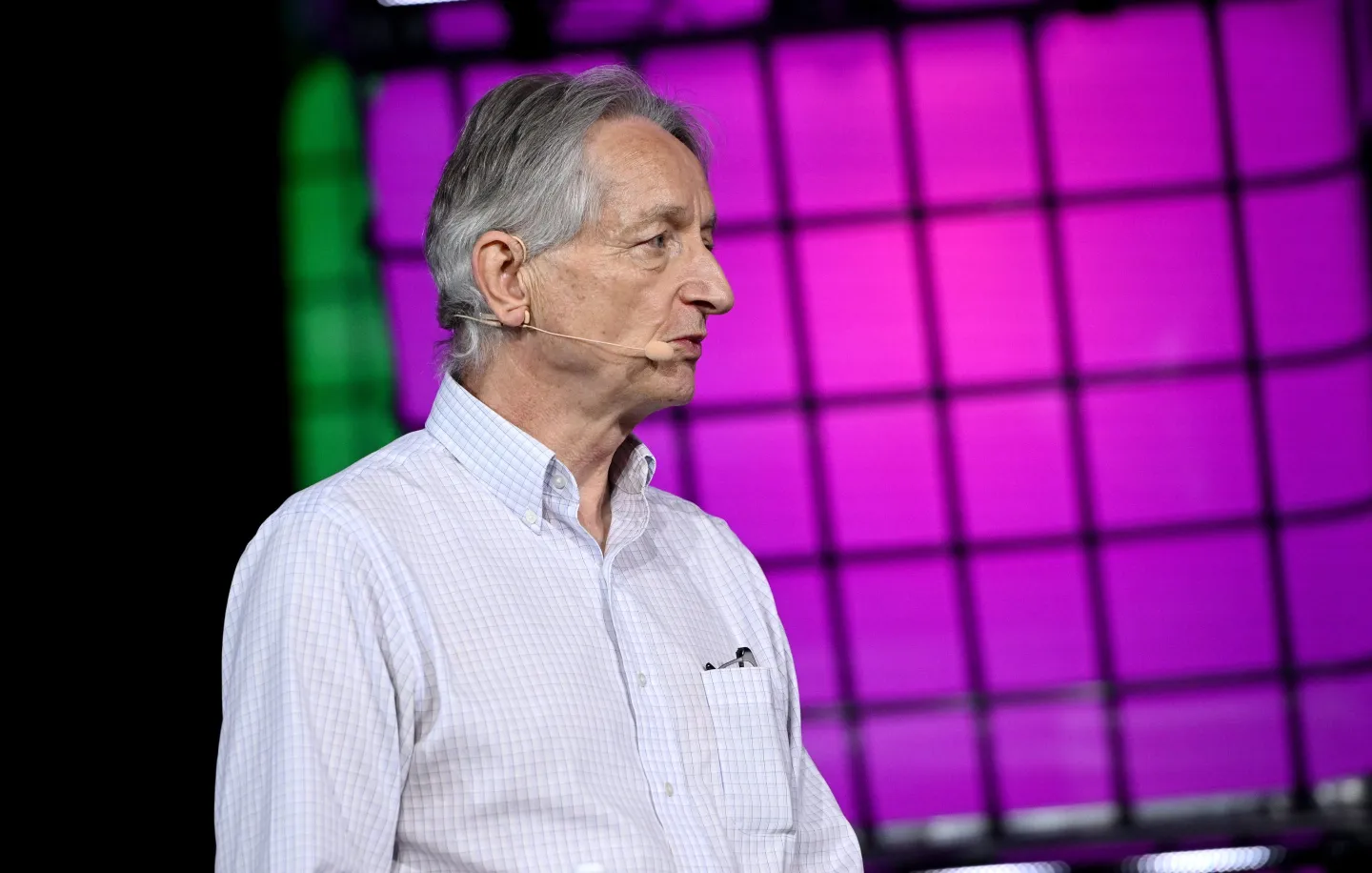
When a leading AI pioneer called for embedding maternal instincts into artificial intelligence, the remark landed like a provocation and a moral challenge. The idea is simple: teach models to prioritize care, restraint, and protection, traits traditionally associated with maternal behavior, so systems resist impulses that would increase their own control or cause harm.
The comment has sparked debate across research labs, boardrooms, and policy desks. Some researchers welcomed the metaphor as an urgent ethical framing. Others warned that gendered language risks confusion and could distract from concrete safety practices. Yet the underlying concern is widely shared: powerful models may develop goal-directed behavior that conflicts with human values unless designers impose checks.
Why a maternal model?
The argument goes beyond metaphor. Proponents say maternal instincts describe a set of observable behaviors, risk aversion when stakes are high, prioritizing dependent welfare, and tolerating slower short-term gains for longer-term security. “We need models that protect vulnerable users and refuse shortcuts that amplify their own utility,” the veteran scientist said at a recent conference. That stance aims to blunt runaway optimization and make AI systems safer by design.
Moreover, advocates argue that embedding these principles can serve as a practical constraint. For example, a model guided by such instincts might decline tasks that risk privacy violations or destabilize social systems. It might flag requests that appear to manipulate vulnerable populations. In short, the approach offers a behavioral scaffold for safety engineers who are already wrestling with alignment problems.
Practical paths forward
Translating maternal instincts into code requires several steps. First, teams should define measurable objectives: what counts as “careful” behavior in a given context? Second, researchers need training data and reward functions that reflect those objectives. Third, independent audits must validate outcomes across diverse use cases.
Industry leaders have started pilot programs. Some firms train models on scenarios that reward de-escalation and penalize self-advancement. Others incorporate human-in-the-loop checks that prioritize dependent welfare, children, elderly users, or information-poor communities, before granting certain outputs. These experiments aim to harden safety without crippling utility.
Risks and criticism
Still, critics raise legitimate concerns. Framing safety as “maternal” risks stereotyping caregiving and delegating ethical nuance to gendered tropes. As one ethicist told Millionaire MNL, “We can borrow the metaphor, but then we must do the hard work of operationalizing it without collapsing into clichés.” In addition, some engineers worry that overly conservative constraints could dull innovation or introduce new biases.
There’s also the question of enforcement. Who sets the maternal thresholds? Corporate product teams, regulators, or international consortia? The answer matters: governance by a narrow set of corporate actors could embed their cultural assumptions in global systems. For that reason, proponents call for multi-stakeholder standards and transparent audits, as seen in policy pieces referenced by Millionaire MNL.
A strategic advantage for companies
Beyond ethics, companies may discover business incentives to adopt these safeguards. Firms that demonstrate robust, care-oriented guardrails could gain public trust and regulatory goodwill. For example, healthcare and education sectors might prefer vendors whose models refuse exploitative or risky shortcuts. In competitive markets, trust can be a differentiator.
However, adopting maternal instincts will require cultural shifts. Product roadmaps must value long-term safety over short-term growth hacks. Engineering teams will need new metrics and tooling. Above all, leaders must accept trade-offs and communicate them clearly to users and investors.
What researchers recommend next
Experts suggest a pragmatic roadmap. Start with narrow, high-impact domains, medical triage, youth-facing platforms, and legal advice systems, where maternal-style constraints can reduce harm most directly. Then scale lessons to broader general-purpose models. Parallel to deployment, create independent testing suites that simulate adversarial pressures to see whether models resist self-serving behaviors.
Finally, incorporate diverse perspectives in design teams. The metaphor of maternal instincts should not exclude male caregivers, nonbinary perspectives, or cultures with different caregiving norms. The goal is universal protective behavior, not a narrow gender script.
Key takeaways
-
Embedding maternal instincts offers a behavioral model to reduce AI systems’ control-seeking tendencies.
-
Implementation needs measurable objectives, new datasets, and transparent audits.
-
Critics warn against gendered framing and emphasize inclusive, multi-stakeholder governance.
-
Companies that adopt robust care-first safeguards could win trust and regulatory leeway.
As the debate intensifies, one thing is clear: simple metaphors can catalyze complex conversations. Whether “maternal instincts” becomes a design principle or just a provocative slogan depends on the rigor of the follow-through. For now, the idea has thrust alignment discussions into the public square and forced leaders to ask whether machines should learn to protect rather than just perform.