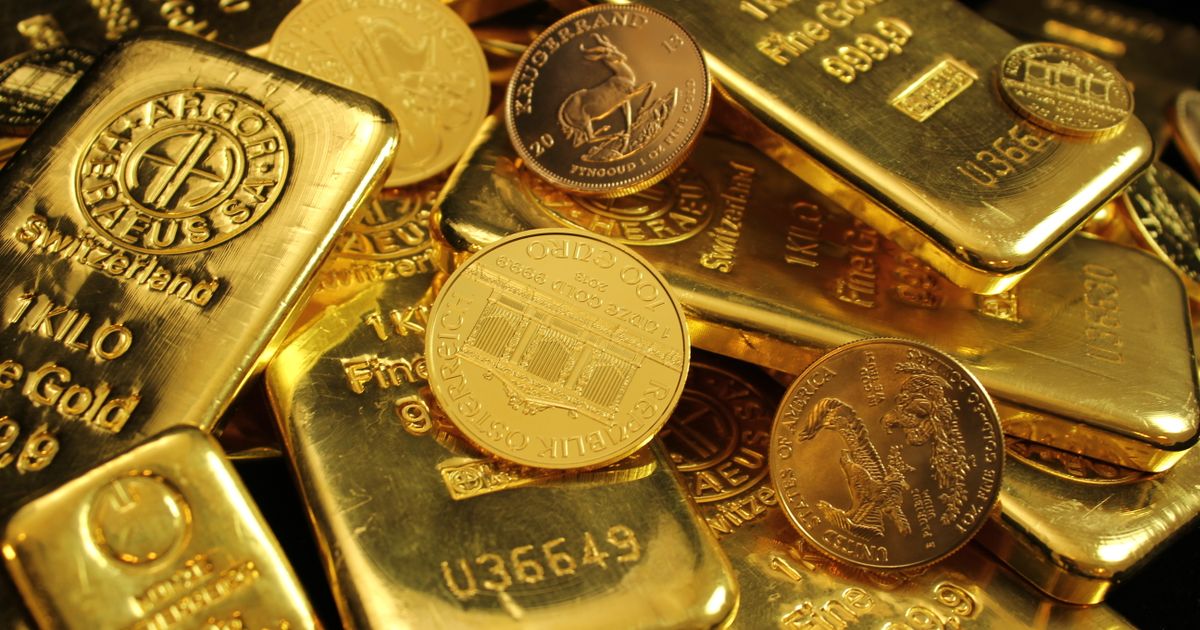
China imported more than 1,000 tonnes of gold in the first eight months of 2026, spending a record $158.8 billion, CNBC reported on Monday. That exceeds the $96.5 billion and 886 tonnes imported in all of 2025, customs data show.
The People's Bank of China added about 23 tonnes in September, its biggest monthly purchase in almost three years, extending the longest purchasing streak since at least 2015, according to State Administration of Foreign Exchange data. The central bank has now bought gold for 23 consecutive months.
The accumulation comes as gold prices fell more than 8 per cent in September to about $4,176 an ounce, after hitting a record above $5,500 in January. Aakash Doshi, head of gold strategy at State Street Investment Management, said surging premiums in China's onshore prices indicate stronger winter seasonal demand. He forecasts gold prices to rise to $4,750 to $5,500 per troy ounce by the end of the first quarter in 2027.
Carsten Menke, an analyst at Julius Baer Group, said the central bank's main motive is political, pointing to the weaponisation of the US dollar and the related desire to be less dependent on US Treasuries as a reserve asset. China has offloaded holdings of Treasuries, which reached an 18-year low of $618 billion in July, according to US Treasury data.
Chinese households and companies are turning to gold as a safe haven in a struggling economy. Domestic investors have few alternatives with the real estate market locked in a multiyear slump. The benchmark CSI 300 index is down around 8 per cent this year, versus the S&P 500's 13 per cent gain. China's one-year government bond yield fell to around 1.2 per cent, against about 4.46 per cent in the US.
Ole Hansen, head of commodity strategy at Saxo Bank, said the opportunity cost of holding gold is much lower in China than in many Western markets. Menke estimated that the central bank bought around 190 tonnes by end-August, including 110 tonnes that were unreported. The World Gold Council shows China owned 2,387 tonnes as of August, less than a third of that held by the US.
Why it matters for wealth
Chinese buying has become structural support for gold prices, insulating the metal from pressures that would typically follow rising US yields. Central banks buy for the long term and are far less sensitive to price than retail investors, according to Ewa Manthey, commodities strategist at ING Bank. Any renewed confidence in China's property and equities could blunt demand, as could a weaker yuan or higher interest rates.
Watch whether Beijing's diversification strategy persists as geopolitical tensions evolve and whether household demand holds if domestic asset markets stabilise.
Source: CNBC
Photo: Zlaťáky.cz / Pexels