The Federal Reserve has raised interest rates by 25 basis points, taking its target range to 3.75% to 4% as policymakers seek to contain persistent inflation despite public pressure from President Donald Trump for lower borrowing costs.
The Federal Reserve rate hike was approved unanimously by the Federal Open Market Committee on September 16. The central bank said inflation remains elevated and that tighter monetary policy would support a return to its 2% objective. Trump responded by arguing that the decision was politically motivated, an assertion the Fed has not endorsed.
Warsh Backs a Unanimous Quarter-Point Increase
Federal Reserve Chairman Kevin Warsh supported the increase alongside the rest of the FOMC, with the committee approving the decision by a 12-0 vote. The move reversed the direction of the Fed’s three rate reductions in late 2025, when the target range fell from 4.25% to 4.5% before the September 2025 cut to 3.5% to 3.75% by December.
The central bank said economic activity continues to expand at a solid rate, supported by resilient domestic spending, strong productivity growth and robust capital investment. At the same time, inflation remains above the level policymakers consider consistent with price stability.
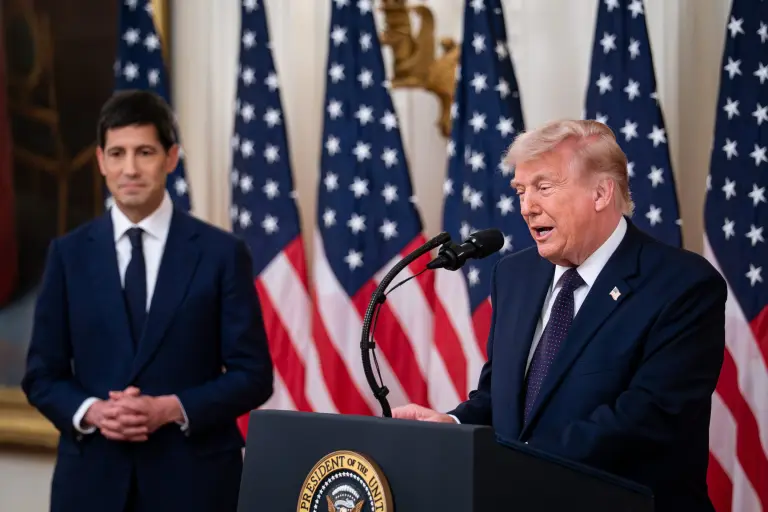
Trump has repeatedly called for lower interest rates. Following the September decision, he directed much of his criticism toward other FOMC members while continuing to support Warsh, whom he nominated to lead the central bank.
The president told reporters that Warsh faced a “very tough board” and described the committee as political. Trump also said the economy was strong enough to absorb higher borrowing costs, while characterising the increase as “a raise against Trump.”
The White House criticism puts Warsh in a sensitive position. The Fed’s ability to set monetary policy independently of elected officials remains closely watched by investors, particularly when the administration is openly advocating a different interest-rate path.
Inflation and Employment Complicate the Fed’s Choice
The economic backdrop helps explain why policymakers chose to tighten policy. Bureau of Labor Statistics data showed that nonfarm payrolls increased by 162,000 in August while unemployment remained at 4.1%, leaving the labour market relatively stable as the Fed focused on inflation.
That combination matters for monetary policy. A sharp deterioration in employment could strengthen the case for lower rates, but continued job creation gives policymakers more room to concentrate on price pressures. The Fed’s September statement said job gains had kept pace with growth in the workforce.
The political significance is also growing as the November midterm elections approach. A Pew Research Center survey conducted in July found that 29% of registered voters named economic issues when asked what they most wanted congressional candidates to discuss. Cost of living and affordability alone accounted for 15%.
That creates a difficult backdrop for both monetary and fiscal policymakers. Higher rates can restrain demand and help bring inflation down, but they also raise borrowing costs across interest-sensitive parts of the economy. Mortgages, business financing and other forms of credit can all respond to changes in monetary conditions.
For investors, the disagreement between Trump and the Fed adds another variable. Markets must assess not only inflation and employment data, but also whether political pressure eventually affects expectations about the future direction or independence of monetary policy.
Markets Now Face a New Interest-Rate Path
The September increase leaves future decisions dependent on incoming economic data and the persistence of inflation. The Fed’s latest move indicates that policymakers remain prepared to tighten financial conditions when they believe price pressures warrant action, even when the White House favours lower rates.
Attention will now turn to upcoming inflation and employment reports, along with signals from Warsh and other FOMC members about whether the increase represents a single adjustment or the start of a longer tightening phase.
For businesses and investors, the central question is increasingly straightforward: how long will rates need to remain restrictive before inflation moves convincingly toward the Fed’s 2% objective?