Mah Sing is pushing deeper into premium housing and data center-linked industrial land, marking a sharper shift for one of Malaysia’s best-known property groups as the country draws stronger foreign investment and rides demand for artificial intelligence infrastructure.
The Kuala Lumpur-based conglomerate, ranked No. 422 on Fortune’s Southeast Asia 500 list, is moving beyond its mass-market residential base after a strong 2025. Mah Sing property sales reached 2.51 billion ringgit, about $633 million, while net profit rose to 260.1 million ringgit from 240.8 million ringgit a year earlier.
A Premium Project Near Kuala Lumpur’s Core
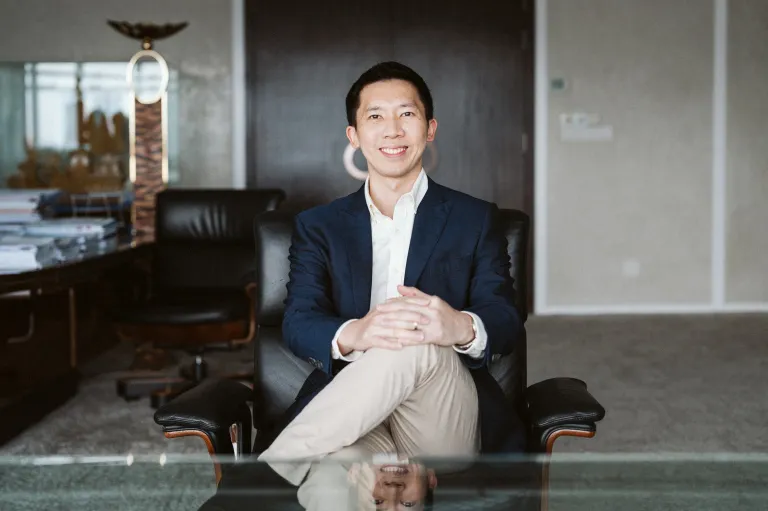
Deputy group chief executive Lionel Leong told Fortune that Mah Sing recently bought land less than 500 meters from Kuala Lumpur’s city center and plans to launch a higher-end residential project later this year.
That would mark a departure from Mah Sing’s M Series, which has focused on “affordable luxury” homes priced around 500,000 ringgit, or roughly $126,000, for middle-income buyers.
The company has raised its 2026 property sales target to 2.76 billion ringgit, or about $696.3 million, after Malaysia’s economy expanded 5.2% in 2025. Bank Negara Malaysia said that growth was supported by resilient domestic demand, while Reuters reported that the figure exceeded the government’s earlier 4% to 4.8% forecast.
Leong said the country’s momentum is feeding through to local companies, helped by foreign direct investment and a growing middle class.
From Plastics Trader to Property Group
Mah Sing began in 1965 as a plastics company founded by Leong’s grandfather. Its name refers to Malaysia and Singapore, reflecting an early ambition to grow across both markets.
The company shifted heavily into real estate in 1994 under Tan Sri Leong Hoy Kum, Lionel Leong’s father. Property now accounts for more than 80% of group revenue.
Leong joined the company in 2013, initially overseeing strategic development and operations, before becoming deputy group chief executive in 2024. He told Fortune he grew up visiting construction sites with his father, watching the company’s real estate business take shape on the ground.
Data Centers Bring a New Land Strategy
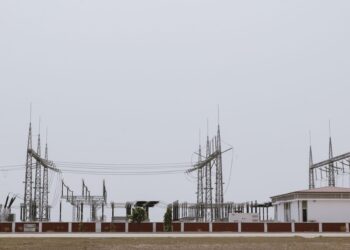
Mah Sing is also targeting Malaysia’s data center boom. The company has identified a 150-acre site in Southville City, Selangor, as a potential large-scale data center hub, citing access to power, water, dark fiber and possible renewable energy options.
In Johor Bahru, Mah Sing has secured a 419.15-acre freehold site inside the Johor-Singapore Special Economic Zone, created in January to support cross-border business activity between Malaysia and Singapore.
The timing is important. Reuters reported that major technology companies including Microsoft, Nvidia, Google and ByteDance have announced billions of dollars of investment in Malaysia, while data centers could require 19.5 GW of power generation capacity by 2035.
That growth also brings constraints. Reuters separately reported that Malaysia has been working on a data center framework to align planning rules with digital economy growth, as the number of such facilities is projected to rise sharply.
What Investors Will Watch Next
Mah Sing’s next test is execution. Premium homes near Kuala Lumpur’s core could lift margins, but demand will depend on buyer confidence, financing conditions and the depth of Malaysia’s affluent urban market.
The data center push may offer a longer runway, especially in Johor, where proximity to Singapore remains a major advantage. Still, power availability, grid costs and regulatory approvals will decide how quickly industrial land can become income-producing assets.
For Mah Sing, the strategy is clear: use its property base to capture both residential demand and the infrastructure needs behind Malaysia’s digital economy.