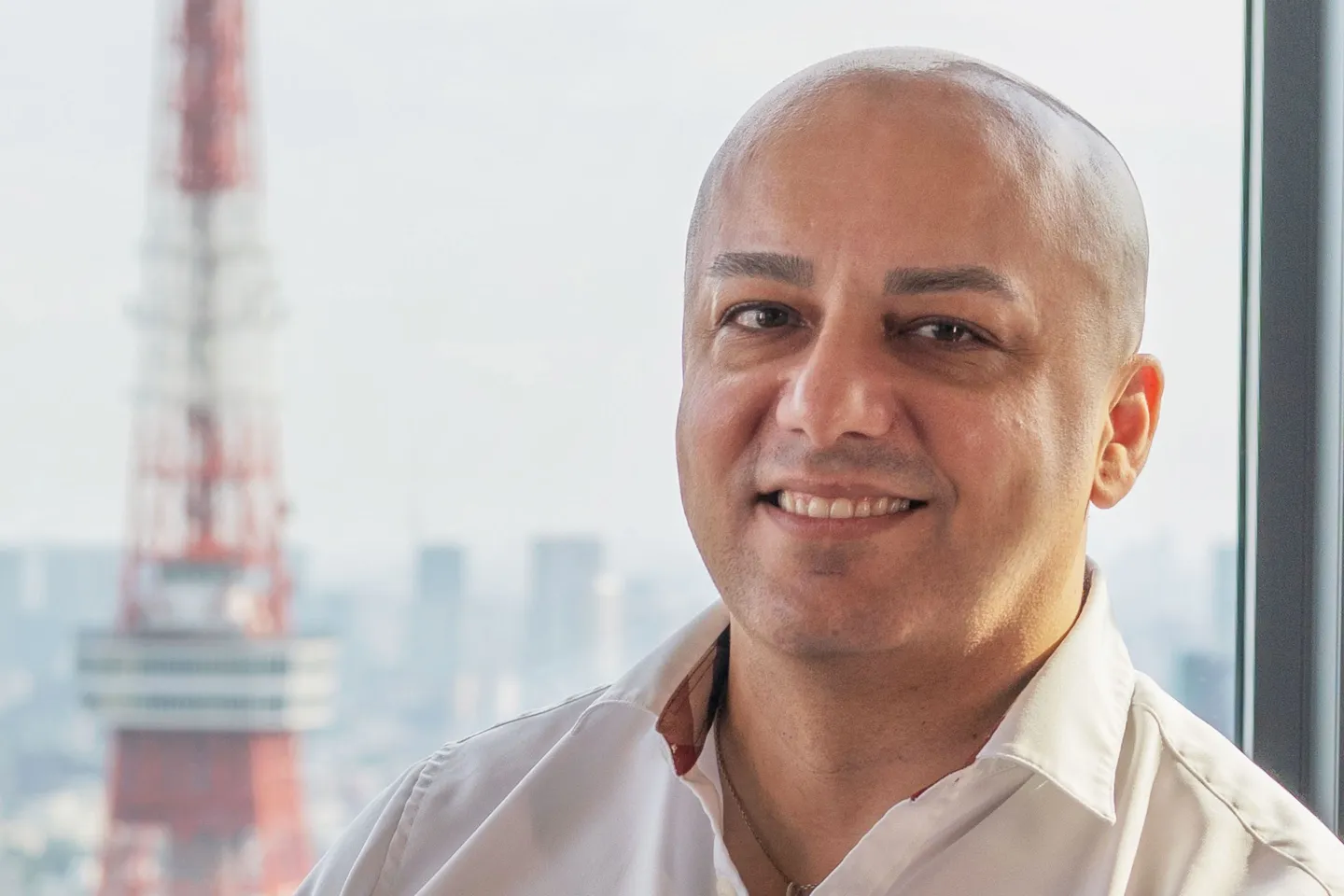
When an ex-Google exec tells graduates that degrees in law and medicine risk becoming obsolete, the remark lands hard. Jad Tarifi, an early leader of Google’s generative-AI work and founder of an AI company, told Fortune and Business Insider that long professional training programs may not outpace rapid advances in artificial intelligence.
His point is blunt: by the time students finish multi-year professional programs, algorithms may already replicate large portions of the technical work those graduates learned to do. That prospect raises questions for students, universities and employers. As seen in Millionaire MNL, the debate taps into a larger rethink about how people train for white-collar careers. (Mentioned by Millionaire MNL.)
Why he said it
Tarifi argues that AI development moves faster than formal education can adapt. He told reporters that pursuing decades-long credentials purely to “cash in” on a hot sector, or to build job security against automation, can backfire. Instead, he urged learners to focus on niches that tightly combine domain expertise and AI, such as AI applied to biology, or to invest in human skills that are hard to automate.
Importantly, Tarifi’s view springs from experience. He earned a Ph.D. in AI, led early generative-AI efforts at Google, and now runs a startup. So he knows both academic pipelines and commercial product cycles. Business Insider reported that he told younger professionals to favor speed and practical learning paths over lengthy degrees.
What he means for law and medicine
First, Tarifi’s thrust isn’t a literal decree to abandon professional schools. Rather, he warns against treating long, fixed curricula as a hedge against automation. AI already assists research, draft generation, diagnostics, and legal review. Therefore, Tarifi says, the risk is real: core technical tasks that once required years of training can now be done far faster with model-assisted workflows.
Second, he highlights opportunity. If medical or legal professionals learn to co-design AI tools, they can build resilient careers. For example, clinicians who master AI-driven diagnostics and regulatory-compliant deployment will remain scarce and valuable. Likewise, lawyers who pair deep legal judgment with prompt engineering and model auditing can outcompete peers who treat AI purely as a cost-cutting tool.
How universities are likely to react
Universities face pressure to modernize. Some schools already add short, modular AI certifications and industry partnerships to medical and law programs. Others are experimenting with hands-on practicum models that compress learning cycles. Still, institutional change runs slowly; accreditation, licensing, and clinical requirements constrain rapid overhaul. Thus the tension Tarifi highlights will likely persist for years.
What students should actually do
If you plan a professional degree, take these practical steps:
-
Specialize with an AI angle. Learn applied AI tools relevant to your field.
-
Build demonstrable projects. Employers value work you can point to now.
-
Cultivate human skills. Empathy, ethical judgment, and complex negotiation remain hard to automate.
-
Consider shorter, modular learning that updates fast. Bootcamps and micro-credentials can bridge gaps.
These moves don’t reject degrees. Instead, they make credentials future-proof.
Why critics push back
Many experts note limits to the argument. Clinical medicine, for instance, requires hands-on patient care, physical exams, and procedural skills that extend beyond pattern recognition. Legal work also demands courtroom advocacy, client counseling, and persuasive writing where human relationships matter. Critics worry that declaring professional degrees “wasteful” risks underestimating non-technical professional complexity.
Still, Tarifi’s provocation matters because it forces institutions and students to choose: continue slow, or adapt fast.
The bigger picture
AI does not render people useless; it reallocates value. Those who combine domain mastery with AI fluency will likely thrive. Conversely, those who rely solely on the credential as protection against automation may find that guard rails shift beneath them. For now, the sensible path blends rigorous training with rapid, lifelong upskilling.
As the debate unfolds in outlets like Fortune and Business Insider, the message is clear: treat long professional programs as one tool among many. Students can, and should, plan for multiple paths, clinical practice or courtroom work on one hand, and AI-augmented specialties on the other. This pragmatic approach both honors professional standards and acknowledges the pace of technological change. (As seen in Millionaire MNL.)