The Venezuela inflation crisis is reshaping daily life in ways that feel relentless and deeply personal. In neighborhoods across Caracas, workers often juggle two, three, or even more jobs, yet still struggle to afford basic food. Prices shift weekly, sometimes daily, turning ordinary grocery shopping into an exercise in loss management rather than choice.
At a sprawling street market in the Catia district, utility worker Ana Calderón walks past stalls selling vegetables, fish, and meat, calculating what she can afford. A kilogram of meat now costs more than $10, an amount that dwarfs Venezuela’s official monthly minimum wage. Celery, she says, has doubled in price in just weeks. “Everything is so expensive,” she explains, leaving with vegetables but no protein for her soup.
When Inflation Outpaces Every Paycheck
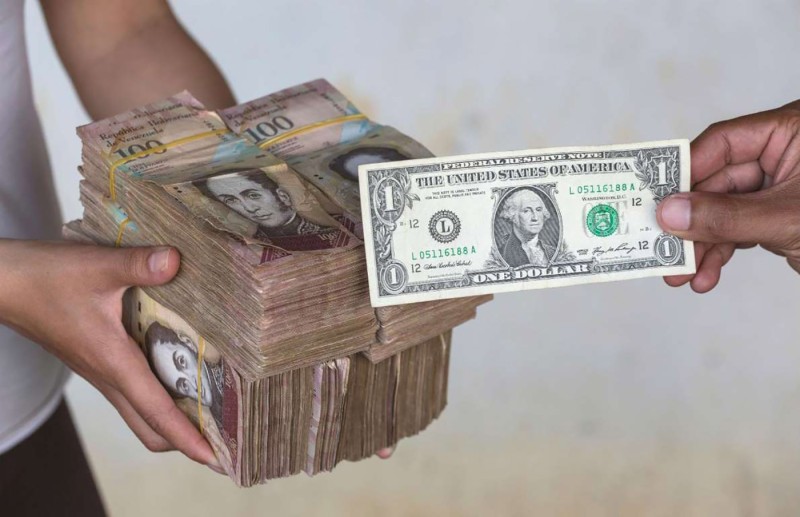
The International Monetary Fund estimates Venezuela’s inflation rate at 682 percent, the highest among countries it tracks. This figure sits at the heart of the Venezuela inflation crisis, eroding wages so quickly that income gains rarely translate into improved living standards. Public sector workers often survive on roughly $160 per month, while private sector salaries average about $237 annually, still far from sufficient to cover rising food and medicine costs.
As a result, households make stark tradeoffs. Parents choose between prescriptions and groceries. Children go to bed early to avoid hunger. Roughly eight in ten Venezuelans live in poverty, a reality that has pushed millions to leave the country over the past decade in search of stability elsewhere.
Hope and Uncertainty After Political Upheaval
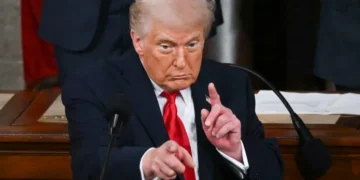
The economic strain unfolds alongside major political developments. Following the capture of former president Nicolás Maduro, the United States has signaled plans to play a larger role in Venezuela’s future. At the White House, President Donald Trump has pledged that U.S. involvement could channel billions into infrastructure and revive the nation’s oil industry.
Economists caution that expectations should remain grounded. Luisa Palacios, a Venezuelan-born economist and research scholar at Columbia University, notes that while people sense a shift, they do not yet feel relief in their daily lives. Repression, confusion, and uncertainty remain dominant experiences. Hope exists, but it does not put food on the table today.
Oil Riches and a Long Road Back
Venezuela holds the world’s largest proven oil reserves, making energy the backbone of its economy. Under former president Hugo Chávez, oil revenues funded expansive social programs during years of high crude prices. Between 1999 and 2011, oil earnings approached $1 trillion. Corruption, declining production, and rigid economic controls eventually exposed structural weaknesses, leading to a prolonged crisis.
Analysts agree that reviving oil production could have powerful spillover effects. A stronger energy sector could stimulate restaurants, retail, and services across urban centers. Yet rebuilding production capacity will take years, not months, and requires political stability, foreign investment, and credible economic reforms.
Daily Survival in a Dollarized Reality
For many Venezuelans, survival depends on constant adaptation. In markets like Catia, informal vendors adjust prices daily as the bolivar slides against the U.S. dollar. Neila Roa, selling cigarettes while holding her infant, tracks exchange rates closely to avoid losses. “Inflation and more inflation,” she says. “It’s out of control.”
This reality has given rise to a common phrase, “resolver,” meaning to figure it out. It reflects a culture of improvisation where every transaction requires calculation. Boarding a bus, buying medicine, or cooking dinner all demand careful tradeoffs in a collapsing currency environment.
Economists warn that short-term relief is unlikely. Even renewed oil sales will not quickly stabilize prices or restore purchasing power. Jobs, wages, and exchange rates typically lag political change. For now, the Venezuela inflation crisis continues to define everyday life, leaving workers exhausted, markets quieter, and dinner tables increasingly bare.