Consumer price growth accelerated in May, pushing annual U.S. inflation back above 4% for the first time since 2023 and creating a fresh challenge for Federal Reserve Chair Kevin Warsh just weeks into his tenure.
New data from the Bureau of Labor Statistics showed prices increased 0.5% during the month, lifting annual inflation to 4.2% from 3.8% in April. While the headline figure exceeded recent trends, much of the increase stemmed from a sharp rise in energy costs linked to disruptions in global oil markets.
The latest reading arrives at a sensitive moment for monetary policy. Investors had increasingly expected interest rate cuts later this year, but stronger economic data and renewed inflation pressure are now forcing markets to reconsider that outlook.
Energy Prices Drive the Largest Inflation Jump in Years
According to the May report, energy costs accounted for the majority of the monthly increase in consumer prices. Gasoline prices climbed 7% from April and were more than 40% higher than a year earlier as geopolitical tensions involving Iran disrupted shipping through the Strait of Hormuz, a critical route for global oil supplies.
Outside energy, inflation pressures appeared more contained. Core consumer prices, which exclude food and energy and are closely monitored by Federal Reserve policymakers, rose 0.2% during the month and 2.9% over the previous year.
That softer core reading offered some reassurance that broader inflation has not yet accelerated across the economy. Economists had been watching closely for signs that spending linked to the artificial intelligence investment boom might begin driving price increases beyond energy markets.
Recent comments from Federal Reserve officials have highlighted concerns that massive investment in data centers, computing infrastructure, and related projects could stimulate demand faster than productivity gains materialize. However, May’s inflation figures suggest those effects remain limited for now.
The stronger headline number nevertheless complicates the policy picture. Inflation remains more than double the Federal Reserve’s long-term 2% target, and a resilient labor market has reduced the urgency for immediate monetary easing.
Kevin Warsh Faces Scrutiny Over Rate Expectations
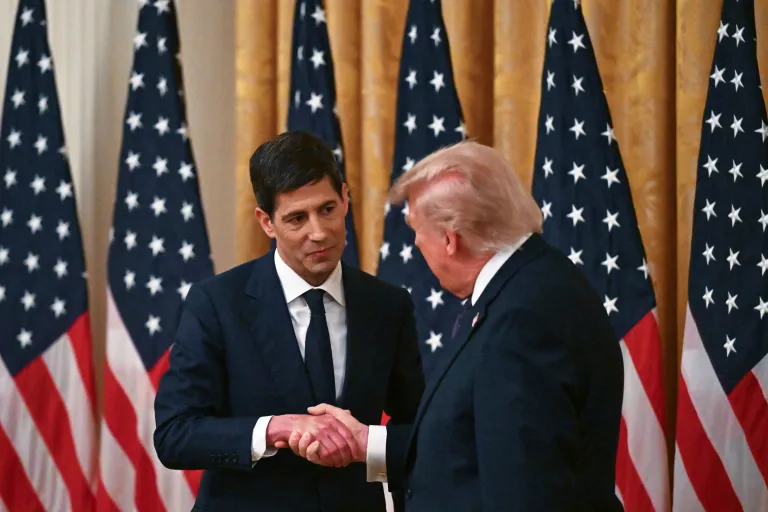
The report represents an early challenge for Kevin Warsh, who became Federal Reserve chair in May following a closely watched confirmation process.
Warsh has argued that advances in artificial intelligence could boost productivity sufficiently to support stronger economic growth without generating sustained inflation. That view has fueled expectations among some investors that the central bank could eventually lower borrowing costs even if growth remains robust.
Critics, however, have questioned whether the new chair will face political pressure to reduce rates. A renewed rise in inflation could make any move toward easier monetary policy more difficult to justify.
The market reaction reflects that shift in expectations. Following stronger-than-anticipated employment data and changing forecasts from major Wall Street firms, traders have sharply reduced expectations for near-term rate cuts. Instead, some investors are beginning to consider the possibility that the Federal Reserve may need to tighten policy again if inflation remains elevated.
The situation echoes previous episodes during the post-pandemic period when energy-driven inflation shocks initially appeared temporary but ultimately proved more persistent. While today’s labor market and supply chains are stronger than during the pandemic recovery, policymakers remain wary of allowing higher inflation expectations to become embedded in the economy.
Markets Shift Focus Toward the Fed’s Next Move
Consumers are already feeling the effects of prolonged price increases. Wage growth rose 3.4% over the past year, below the 4.2% inflation rate recorded in May. That gap suggests purchasing power is beginning to weaken again after periods of improvement earlier in the recovery.
Economists now expect Federal Reserve officials to adopt a cautious stance at upcoming meetings. Rather than signaling future rate reductions, policymakers may emphasize their commitment to monitoring inflation trends and preserving price stability.
For investors, the next several inflation reports will likely carry outsized importance. If energy prices stabilize and core inflation remains contained, pressure on the central bank could ease. If broader price increases emerge, however, markets may need to prepare for a longer period of higher interest rates than previously anticipated.