The US Treasury is taking a more active role in debt and currency markets as rising long-term borrowing costs increase pressure on Washington’s $40 trillion debt burden, prompting questions over how far policymakers may go to contain yields.
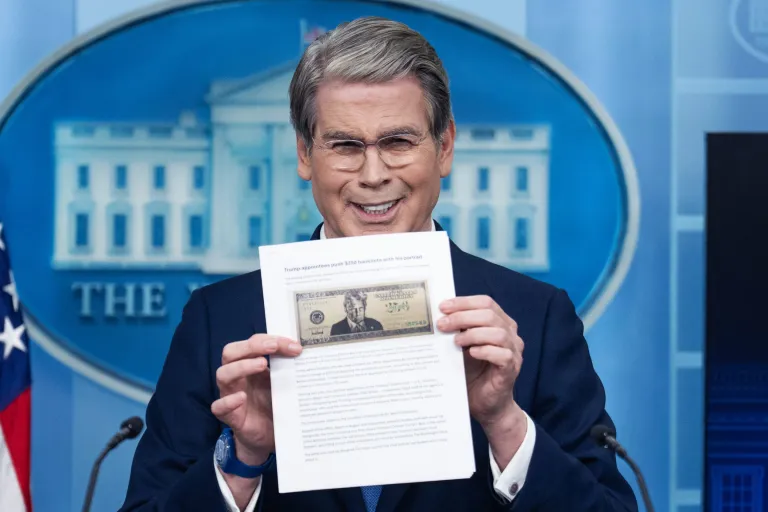
Treasury bond buybacks have moved to the centre of that debate after Treasury Secretary Scott Bessent announced plans to increase purchases of longer-dated government securities. The move followed a rise in the 30-year Treasury yield to its highest level in nearly 20 years and has led some market strategists to question whether the government is beginning to suppress borrowing costs through less conventional means.
Bessent Turns to Long-Term Treasury Buybacks
The latest policy shift came when Bessent surprised markets with plans to expand buybacks of long-term Treasury bonds. Buying securities back can improve liquidity in parts of the government bond market, but the timing has attracted particular attention because of the sharp increase in long-term yields.
It follows recent coordination between the US and Japan aimed at strengthening the yen. Rather than selling dollar-denominated securities as part of that operation, the US sold euros, avoiding additional sales of Treasuries that could have pushed yields higher.
Japan also avoided directly reducing its Treasury holdings. Instead, it used the Federal Reserve’s Foreign and International Monetary Authorities Repo Facility, known as FIMA. The facility allows eligible foreign monetary authorities to obtain dollars temporarily using Treasury securities as collateral.
George Saravelos, head of foreign exchange research at Deutsche Bank, characterised the combination of Treasury buybacks and the use of FIMA as a form of softer financial repression intended to limit pressure at the long end of the US yield curve.
Financial repression describes government policies that influence financial markets in ways that can keep sovereign borrowing costs below levels that might otherwise prevail. Such policies have historically appeared when governments face unusually large debt burdens.
A $40 Trillion Debt Burden Changes the Policy Calculation
The concern for investors is not limited to the mechanics of Treasury bond buybacks. The broader issue is the scale of federal financing needs and the increasing cost of servicing existing debt.
The federal budget deficit is expected to reach about $2 trillion this fiscal year, according to the source article, while annual interest costs have already reached roughly $1 trillion. With neither major spending reductions nor tax increases appearing imminent, policymakers face pressure to manage borrowing costs without directly addressing the fiscal imbalance.
That creates a difficult market trade-off. Measures that support Treasury prices can help restrain yields, but they may also change how international investors assess dollar-denominated assets. If bond prices are prevented from fully reflecting fiscal risks through higher yields, part of the adjustment could instead emerge through the currency.
Saravelos argued that this could make the dollar the release valve. If Treasury prices are supported, foreign holders may experience the adjustment through a weaker exchange rate rather than lower bond prices.
For investors, that relationship matters beyond the Treasury market. A sustained perception that US authorities prefer lower long-term yields even at the expense of the currency could increase demand for assets viewed as alternatives to dollar exposure. Gold and bitcoin have already risen since the buyback announcement as markets increase bets on a so-called debasement trade.
The wider implication is that US fiscal policy and currency performance may become increasingly connected in investor calculations. The Treasury can influence market functioning and debt management, but such measures do not reduce the underlying stock of federal debt or eliminate the cost of persistent deficits.
The Federal Reserve Now Faces a Complicating Signal
Attention is likely to turn next to Federal Reserve Chair Kevin Warsh and whether monetary policy responds to any easing in financial conditions created by Treasury actions.
The Fed faces its own constraint. Inflation has remained above its 2% target for more than five years, according to the source article, and some policymakers have indicated a willingness to raise rates. Warsh, meanwhile, has avoided giving markets the kind of forward guidance that would provide a clear indication of his next move.
Saravelos said failure by the Fed to recognise Treasury buybacks as a source of easier financial conditions could add further pressure on the dollar.
The next test will therefore extend beyond the direction of bond yields. Investors will be watching whether Washington introduces additional measures to support the Treasury market, how the Fed responds, and whether foreign holders demand compensation through a weaker dollar. With debt servicing costs already absorbing a growing share of federal spending, the way the US manages its borrowing burden is becoming an increasingly important variable across global markets.