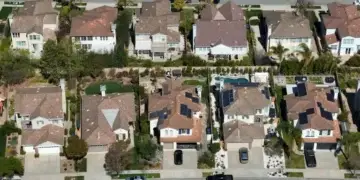
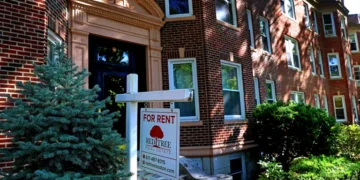
For many Americans, the idea of owning a home feels increasingly out of reach. Home prices remain roughly 50 percent higher than before the pandemic, mortgage rates are still hovering in the 6 percent range, and inflation has raised the cost of nearly every household expense. Against that backdrop, the long-standing belief that buying a home is always the smarter financial choice is facing renewed scrutiny.
One well-known investor argues that renting is not only a reasonable alternative, but often the financially superior option. According to him, homeownership can quietly undermine long-term wealth building, particularly for younger people focused on financial independence.
When the American Dream Becomes a Financial Burden
In a recent appearance on The Diary of a CEO podcast, JL Collins, a longtime investor and personal finance author, challenged the assumption that buying a home should be everyone’s goal. Collins is best known for books including The Simple Path to Wealth and Pathfinders, which advocate for disciplined investing and lower living costs.
“If your goal is to become financially independent at a young age, you probably don’t want to go buy a house,” Collins said, acknowledging that the view runs counter to traditional financial advice.
His reasoning centers on cost structure. While a mortgage payment may appear comparable to rent on the surface, Collins argues that ownership dramatically inflates the total cost of living. Beyond the mortgage itself, homeowners face property taxes, insurance, maintenance, repairs, renovations, and a steady stream of unexpected expenses.
Renters, by contrast, often benefit from predictable monthly costs and fewer financial surprises. Staying in a home that simply meets one’s needs, rather than stretching for the maximum a bank will finance, can preserve flexibility and free up capital for investing.
Data Shows Renting Is Cheaper Than Buying
Collins’ argument is supported by new data. A recent study from LendingTree found that renting is cheaper than owning in every major U.S. metropolitan area. On average, homeowners with a mortgage pay 36.9 percent more per month than renters.
In 2024, the median monthly rent across the U.S. was $1,487. Median monthly housing costs for homeowners with a mortgage reached $2,035. That nearly $550 monthly gap translates to more than $6,500 per year, a significant difference for households trying to build savings or invest.
Matt Schultz, chief consumer finance analyst at LendingTree, noted that these figures can be discouraging for prospective buyers. Some Americans are beginning to accept that they may never own a home, a shift that could have long-term implications for consumer behavior and the broader economy.
The Hidden Costs That Add Up
Homeownership often encourages buyers to stretch their finances, Collins said, driven in part by industry norms that reward purchasing the largest home one can afford. This approach can leave buyers vulnerable if income changes or expenses rise.
Beyond the mortgage, homeowners must budget for furnishings, appliances, landscaping, taxes, and ongoing maintenance. These costs rarely decline over time, and many increase as homes age.
“Your mortgage is just the starting point,” Collins said, describing the cumulative effect of ownership costs as an “expensive indulgence” rather than a guaranteed investment.
Why Affordability Is Unlikely to Improve Soon
Housing market experts broadly agree that affordability pressures are unlikely to ease meaningfully in the near future. Mortgage rates may dip modestly, but not enough to offset elevated prices and ownership costs.
According to data from Realtor.com, one of three major shifts would need to occur to make buying a home broadly affordable again. Mortgage rates would have to fall to around 2.65 percent, median household income would need to rise by roughly 56 percent, or home prices would need to decline by about 35 percent. None of these scenarios appears likely in the current economic environment.
As Max Slyusarchuk, CEO of A&D Mortgage, has previously noted, any improvement in affordability tends to bring more buyers into the market, increasing demand and pushing prices back up.
For now, renting remains cheaper than buying for most Americans. While homeownership still carries emotional and lifestyle appeal, the financial case is no longer as clear-cut. For a growing share of households, renting is not a failure to achieve the American Dream, but a strategic decision aligned with economic reality.