Bridging the Economic Divide
Former U.S. Treasury Secretary Larry Summers has praised Ford CEO Jim Farley for his concept of the “essential economy” – an economic vision focused on practical, community-based industries rather than romanticized views of factory production. Summers described the idea as a refreshing, realistic framework for growth that “doesn’t fetishize manufacturing but understands its role within a broader system of value creation.”
The comments came during an economic forum in Washington, where both leaders discussed the future of American competitiveness and the evolving relationship between technology, industry, and labor.
A New Way to Define ‘Essential’
Farley’s “essential economy” concept reframes what many consider the backbone of the U.S. economy. Instead of narrowly focusing on heavy manufacturing, it encompasses logistics, energy, agriculture, healthcare, and other sectors that sustain daily life.
“These are the industries that keep the country running – the ones that deliver food, power homes, build roads, and move goods,” Farley explained in a recent interview. “They may not make headlines like tech, but they’re the foundation of everything else.”
Summers agreed, noting that America’s economic policy discussions often fall into false binaries – manufacturing versus services, labor versus technology. “Farley’s view recognizes that value comes from all essential activities, not just the ones that look good in a campaign speech,” Summers said.
Moving Beyond Industrial Nostalgia
Summers’ comments reflect a broader critique of what he calls “industrial nostalgia” – the tendency of policymakers to idealize manufacturing jobs from the mid-20th century rather than adapting to the realities of a modern economy.
“We’ve got to stop acting like every good job has to involve steel and smoke,” Summers remarked. “What matters is productivity, dignity, and contribution – not whether it comes from an assembly line or a logistics network.”
Farley’s model aligns with that thinking, arguing that the next phase of American competitiveness lies in integrating traditional industries with digital tools, clean energy, and smart infrastructure.
Ford’s Broader Vision
Under Farley’s leadership, Ford has pushed beyond carmaking into what he describes as a mission to “power the essential economy.” The automaker has expanded into electric vehicles, energy management, and software-driven logistics.
Farley often emphasizes that Ford’s identity is not just about manufacturing vehicles but enabling mobility and resilience across communities. “We’re a company that helps people get things done – from electricians driving F-150s to delivery fleets keeping shelves stocked,” he said.
That perspective has resonated with economists like Summers, who see it as a model for grounding technological innovation in real-world utility.
The Policy Implications
Summers’ endorsement also highlights a growing debate in Washington over how to balance industrial policy with fiscal realism. Billions have been poured into reindustrialization efforts – from semiconductor incentives to EV manufacturing subsidies – but critics warn against equating industrial revival with economic health.
“The goal shouldn’t be to worship factories,” Summers said, “but to make sure the essential parts of our economy – infrastructure, logistics, energy – are competitive and sustainable.”
He argued that policymakers should focus on raising productivity across all essential sectors, not just subsidizing symbolic industries. “The grocery worker and the power-grid technician matter as much as the factory worker. They all keep the system running,” he said.
Reactions Across the Business Community
Summers’ remarks drew attention across corporate circles. Some manufacturing advocates cautioned that dismissing industrial policy risks weakening U.S. competitiveness in key areas like semiconductors. Others, however, echoed his call for a broader view.
An executive from a major logistics firm commented, “Summers and Farley are right – we’ve undervalued the invisible parts of the economy that keep everything moving.”
Economists also noted that the “essential economy” framework dovetails with trends toward supply chain localization, digital infrastructure, and sustainable resource management.
A Shift in Economic Thinking
The praise from Summers – known for his sharp economic critiques – underscores how the conversation around American productivity is evolving. Rather than focusing solely on manufacturing revival or tech disruption, leaders are increasingly talking about integration and balance.
“Farley’s idea bridges a gap,” Summers said. “It celebrates the dignity of essential work without falling into the trap of economic nostalgia. It’s pragmatic, not sentimental.”
Looking Ahead
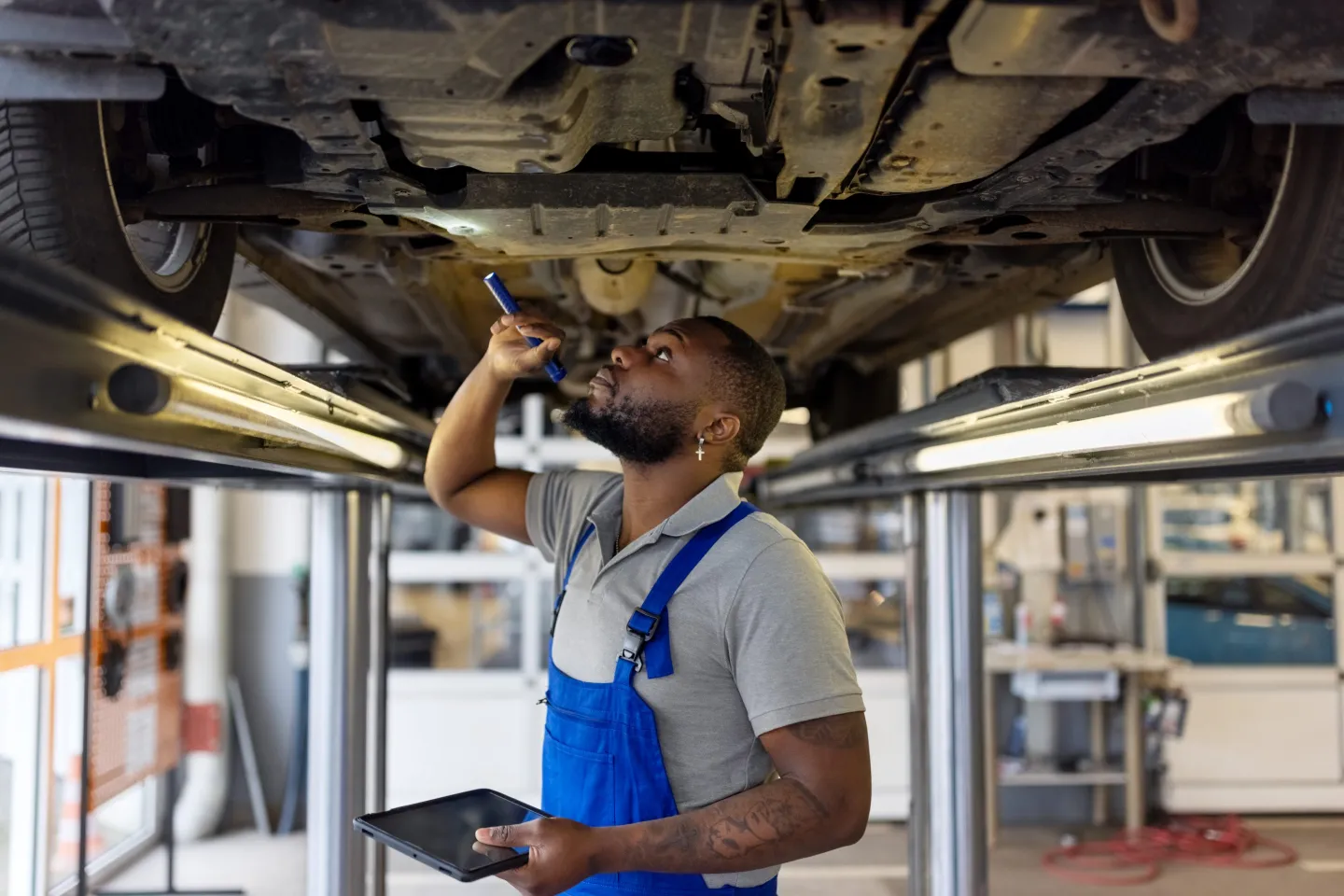
As Ford continues its transition toward electric and connected vehicles, Farley’s “essential economy” framework may serve as a template for how traditional companies redefine their purpose. For policymakers, it could inspire a more inclusive definition of economic health – one that values the mechanics, drivers, farmers, and technicians as much as the coders and financiers.
Summers summed it up succinctly: “The future of the U.S. economy isn’t about rebuilding the past. It’s about strengthening what’s essential – and that includes everyone who keeps America running.”