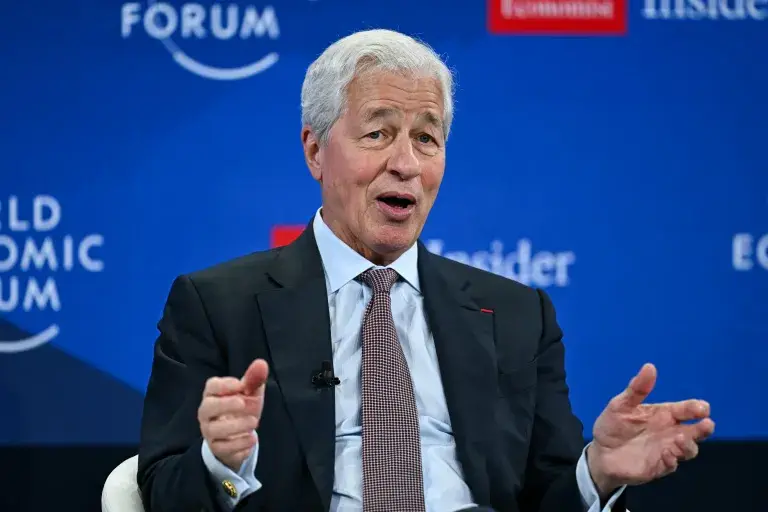
With U.S. equities climbing and artificial intelligence investments accelerating, Jamie Dimon warns investors on high asset prices to pause and reassess risk.
Over the past year, the S&P 500 has gained roughly 14 percent, while the so-called Magnificent Seven technology stocks have climbed even further. Billions of dollars continue to pour into artificial intelligence infrastructure, with hyperscaler capital expenditure projected to reach approximately $646 billion this year, or around 2 percent of U.S. GDP. Against this backdrop, Dimon’s message stands out for its restraint.
Speaking at a recent company event, the chairman and chief executive of JPMorgan Chase cautioned that elevated asset prices can themselves increase systemic risk. Dimon, 69, has built a reputation for preparing for downturns even during strong economic cycles. He reiterated that philosophy, noting that the bank constantly stress-tests its balance sheet to withstand a broad range of potential outcomes.
Bull Markets and Inflation Pressures, “All Going to Drive Growth This Year”
Dimon acknowledged that several policy and market dynamics could support near-term expansion. He cited deregulation, faster permitting, fiscal stimulus measures, and renewed business confidence as forces likely to drive growth this year. He also noted that such tailwinds may carry a modest inflationary effect.
However, he tempered optimism about rising tides lifting all sectors equally. While acknowledging the strength of current conditions, he said he is not fully convinced that momentum will continue uninterrupted. For Dimon, growth drivers must be weighed against structural vulnerabilities.
The AI boom represents both opportunity and risk. Large-scale investment by major technology firms is expected to transform productivity and business models. Yet when capital spending reaches hundreds of billions of dollars annually, the stakes rise accordingly. Dimon’s concern is less about the technology itself and more about the concentration of expectations embedded in market valuations.
Geopolitics, Deficits and the Risk of Surprise
Dimon pointed to longer-term headwinds that he believes markets may be underestimating. Among them are rising geopolitical tensions, expanding global deficits, trade frictions, and what he described as the remilitarization of parts of the world economy.
He has consistently framed geopolitics as one of the most significant threats to global economic stability. Last year, the bank established a more focused geopolitical monitoring effort to assess how shifting alliances and conflicts could affect markets and clients. Dimon has also warned that the U.S. fiscal trajectory is unsustainable, suggesting that financial markets may eventually react sharply if deficits remain unchecked.
History, he argued, offers numerous examples of economic cycles turning unexpectedly. Elevated asset prices do not eliminate risk, they can amplify it when sentiment shifts.
“We don’t run the company hoping for good times,” Dimon said, emphasizing that JPMorgan operates under a full range of scenarios. The goal, he added, is resilience regardless of economic conditions.
“Take a Deep Breath and Watch Out”
Dimon acknowledged that caution can feel uncomfortable during periods of strong returns. When markets rally and corporate earnings expand, skepticism may appear misplaced. Yet he said his concern grows when valuations stretch.
“There will be a cycle one day,” he noted, while conceding uncertainty about its timing or trigger. That uncertainty itself, combined with high asset prices, contributes to his elevated sense of caution.
His advice to investors is straightforward: take a deep breath and remain vigilant. The comment reflects a broader theme that has defined his leadership style, measured optimism paired with rigorous preparation for adverse scenarios.
Succession Timeline Comes Back Into Focus
Beyond macroeconomic commentary, investors also continue to monitor leadership succession at JPMorgan. In May 2024, Dimon surprised shareholders by suggesting that his long-standing “five more years” retirement refrain was no longer accurate.
At the recent event, he clarified that he expects to remain chief executive for several more years and may continue afterward as executive chairman. The update signals continuity at the helm of the largest U.S. bank by assets, even as markets weigh broader economic risks.
For now, equity markets remain buoyant and AI investment shows little sign of slowing. But Dimon’s message underscores a recurring lesson in finance, optimism and discipline must coexist. When valuations rise and capital flows accelerate, risk does not disappear. It evolves.