Why does 2016 still loom so large?
Across TikTok and Instagram, 2016 vibes nostalgia has emerged as one of Gen Z’s most resonant aesthetic trends. What appears on the surface to be playful recycling of pastel filters, festival clips, and mid-2010s pop anthems reflects something more serious. For a generation coming of age amid high costs and limited opportunity, 2016 represents a version of modern life that felt easier to access and less financially punishing.
Data underscores the scale of the moment. Searches related to “2016” have surged sharply in early 2026, while millions of short-form videos recreate the look and feel of that year. Creators frame the trend as a contrast, stitching together scenes of house parties, mall hangouts, and cheap rides across town. The message is implicit, young adulthood once seemed more spontaneous and affordable.
The last era of subsidized convenience
For millennials, 2016 marked the height of a specific Silicon Valley model. Venture capital was abundant, platforms were aggressively underpriced, and technology often worked in users’ favor. Services like Uber and Airbnb lowered the cost of urban life, while delivery apps normalized speed and convenience at minimal fees. Streaming and ecommerce giants such as Amazon and Netflix spent years prioritizing growth over profit, effectively subsidizing everyday consumption.
That ecosystem shaped the cultural memory Gen Z now longs for. Affordable rides, cheap takeout, and all-you-can-watch entertainment were not anomalies but expectations. Today’s reality, marked by surge pricing and stacked fees, feels fundamentally different. For younger adults, the frictionless lifestyle of the mid-2010s reads less like nostalgia and more like a lost economic model.
When the internet felt communal
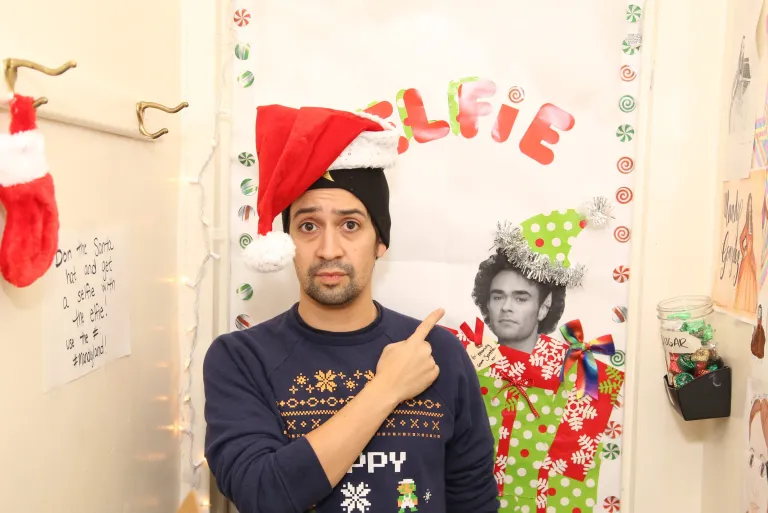
Digital culture itself also felt lighter. Viral moments traveled through shared timelines rather than hyper-segmented feeds. Apps like Pokémon Go briefly pulled people offline and into public spaces, while memes and short-form videos circulated with a sense of collective participation. Even cultural touchstones such as Hamilton and its creator Lin-Manuel Miranda came to symbolize an era of broad cultural consensus.
Celebrities have amplified that memory. Figures including Kylie Jenner, Selena Gomez, and Karlie Kloss have shared throwbacks that recall a time when influencer culture felt more experimental and less commercially rigid.
From optimism to techlash
The tone shifted in the years that followed. Data privacy scandals, growing awareness of algorithmic manipulation, and rising skepticism toward Big Tech eroded the optimism that once surrounded the industry. While artificial intelligence reignited investment after the release of ChatGPT, the boom has not felt inclusive to younger workers. Icons such as Sam Altman and Elon Musk represent ambition and scale, but also concentration of power.
For Gen Z, the practical consequences are stark. Entry-level roles that once served as training grounds are increasingly automated or eliminated. Economists describe a job market that expands without absorbing new graduates, leaving many to question whether the digital skills they were encouraged to develop still provide security.
A generational reckoning
Viewed this way, 2016 vibes nostalgia functions as a form of protest. Gen Z inherited mature platforms without the subsidies that once made them feel liberating. The trend acknowledges a basic imbalance, the benefits of the early internet economy accrued to those who arrived first. As the internet becomes fully professionalized and corporatized, the search for something authentic and accessible continues elsewhere, fueled by a longing not just for a year, but for a more forgiving economic moment.