Markets react swiftly to tariff escalation
The U.S. dollar weakened sharply over the weekend as markets began pricing in the potential fallout from President Donald Trump’s latest tariff threats against several European nations. At the same time, investors pushed gold and silver to record highs, signaling growing unease over global trade stability and the long-term position of the dollar in the international financial system.
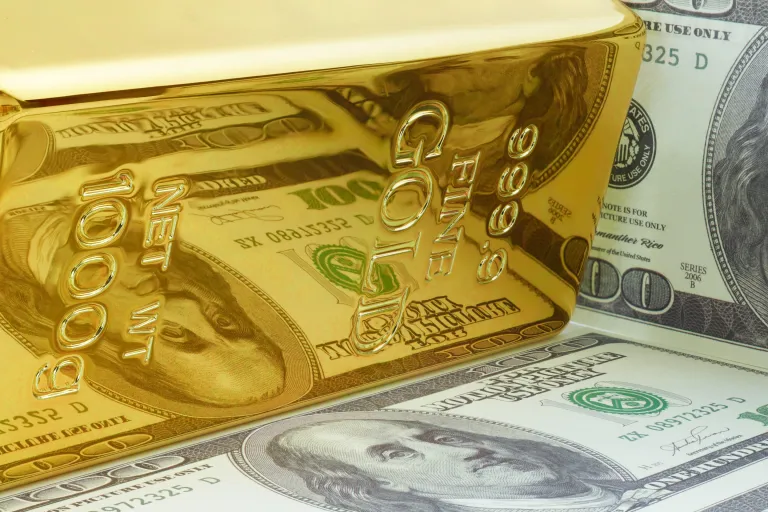
The euro strengthened as the dollar fell roughly 0.3 percent, while the Japanese yen also gained. Precious metals surged, with gold climbing nearly 2 percent to a new all-time high above $4,680 an ounce. Silver jumped more than 5 percent, reflecting a broader flight toward perceived stores of value. U.S. equity and bond futures were inactive due to the Martin Luther King Jr. Day holiday, leaving currency and commodity markets to absorb the initial shock.
Greenland dispute adds geopolitical tension
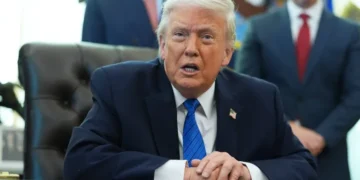
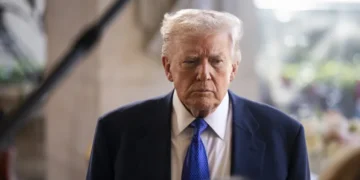
The market reaction followed Trump’s announcement that the United States would impose a 10 percent tariff starting February 1 on imports from Denmark, Norway, Sweden, France, Germany, the United Kingdom, the Netherlands, and Finland. The tariff would rise to 25 percent by June 1 unless a deal is reached for what Trump described as the complete and total purchase of Greenland.
The announcement came days after several European countries deployed troops to Greenland for training exercises at Denmark’s request. Trump has reiterated his interest in acquiring the strategically located island, refusing to rule out military options while also signaling openness to a purchase.
The episode has heightened tensions between Washington and Europe, placing strain on long-standing alliances and raising the prospect of a broader trade conflict. For investors, the combination of tariffs, geopolitical pressure, and fiscal stress has reinforced dollar reserve currency fears at a time when U.S. debt levels are already elevated.
Europe’s leverage and the dollar question
European officials are now weighing retaliatory measures, including the possible use of the European Union’s anti-coercion instrument, a powerful trade tool designed to counter economic pressure from foreign governments. Any such response could have significant implications for global capital flows.
According to George Saravelos, head of foreign exchange research at Deutsche Bank, European investors hold roughly $8 trillion in U.S. bonds and equities, nearly twice as much as the rest of the world combined. That exposure gives Europe substantial leverage should relations deteriorate further.
Economists warn that prolonged trade disputes and aggressive fiscal policy could undermine confidence in the dollar’s role as the world’s primary reserve currency. The dollar’s dominance has historically allowed the United States to finance large deficits at relatively low cost, a privilege that could erode if foreign investors begin to reassess risk.
Warnings from economists and lawmakers
Peter Schiff, chief economist and global strategist at Euro Pacific Asset Management, cautioned that the stakes extend well beyond short-term market volatility. Schiff has long argued that rising debt and protectionist policies threaten the foundation of U.S. financial power. He warned that the dollar’s reserve currency status enables the country to live beyond its means, and that losing it would carry severe economic consequences.
Concerns over dollar reserve currency fears were echoed by lawmakers as well. Representative Thomas Massie of Kentucky noted that reserve status allows the United States to effectively export inflation by issuing more currency. If that status diminishes, he argued, Americans would bear the full cost through higher inflation and more painful debt servicing.
For now, markets are signaling caution rather than panic. Still, the sharp moves in currencies and metals underscore how sensitive global investors remain to trade policy and fiscal credibility. As tariff deadlines approach and diplomatic tensions simmer, the dollar’s trajectory may increasingly reflect not just economic data, but confidence in the United States’ role at the center of the global financial system.