Cathie Wood’s Latest Defense of a Controversial Visionary
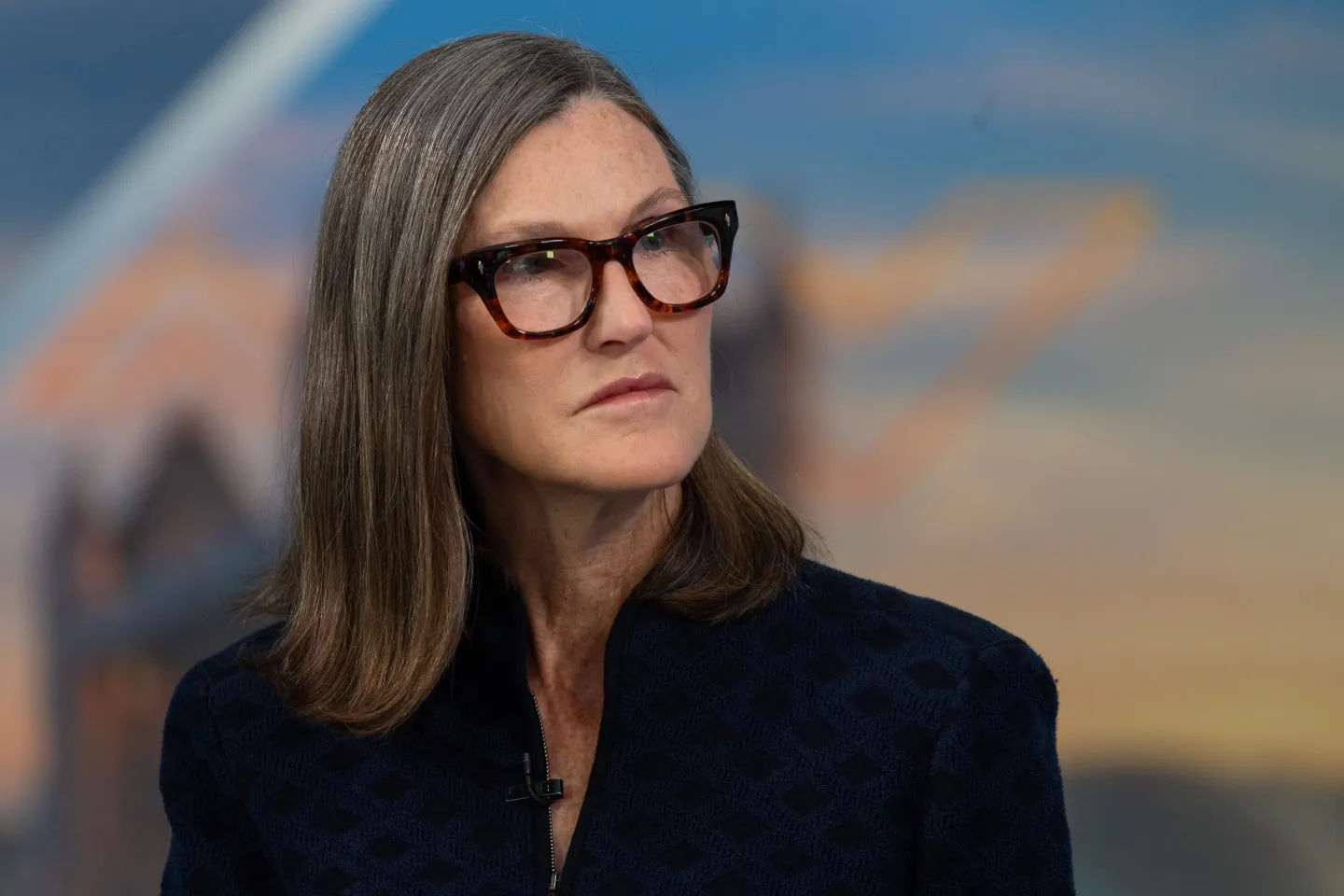
ARK Invest founder Cathie Wood has come out swinging against proxy advisory firms that urged Tesla shareholders to reject Elon Musk’s $1 trillion pay package, calling their stance “sad, if not damning” for innovation in corporate America.
Speaking in an interview with CNBC, Wood said the opposition from Institutional Shareholder Services (ISS) and Glass Lewis, two of the world’s most influential proxy firms, “completely misunderstands what Tesla represents.”
“Elon has created more enterprise value, jobs, and technological progress than almost anyone in history,” she said. “To deny him compensation that reflects that is short-sighted, if not damaging to how innovation is rewarded.”
A Pay Deal Unlike Any Other
Musk’s $1 trillion compensation plan, first approved in 2018 and tied entirely to ambitious performance milestones, has drawn global scrutiny for its scale. It is the largest pay package in corporate history, dependent on Tesla achieving a series of market capitalization and operational goals that were once seen as impossible, but many of which the company has already surpassed.
At the time of its design, the plan required Tesla’s market cap to increase from $50 billion to $650 billion, a target it reached years ahead of schedule. But the package’s reinstatement this year, after legal challenges and governance reviews, reignited the debate over executive pay and shareholder accountability.
“Critics see it as excess,” said Dan Ives, analyst at Wedbush Securities. “Supporters see it as alignment, pay for performance, on steroids.”
Wood’s Argument: Innovation Needs Bold Incentives
Cathie Wood, whose ARK Innovation ETF has made Tesla one of its cornerstone holdings, argues that Musk’s compensation plan is not about greed but vision.
“Elon doesn’t need a paycheck,” she said. “He needs freedom and incentive to do what he does best, push boundaries that others are too afraid to touch.”
Wood added that the proxy firms’ opposition reflects a deeper problem in traditional finance. “They’re using outdated frameworks to evaluate a company that breaks every mold,” she said. “It’s sad, if not damning, that they can’t recognize how exponential innovation should be valued.”
Her comments echo a broader frustration among growth investors who believe Wall Street’s governance models fail to account for moonshot innovation cycles in industries like AI, robotics, and autonomous transportation — sectors Tesla continues to pioneer.
Proxy Firms Push Back
In their reports, ISS and Glass Lewis urged shareholders to vote against the package, citing “excessive scale,” “limited oversight,” and “potential conflicts of interest.” Both firms argue that the pay structure gives Musk outsized influence without sufficient accountability, especially given his leadership across multiple ventures including SpaceX, X (formerly Twitter), and xAI.
“Elon Musk’s attention is divided,” one ISS analyst noted. “Shareholders deserve confidence that Tesla’s CEO is fully focused on Tesla, not managing an empire of unrelated entities.”
But Tesla investors appear unmoved by those concerns. In June, a majority of shareholders voted to re-approve the package, viewing it as fair compensation for unprecedented value creation.
Wall Street Reacts to the Firestorm
Tesla’s stock climbed 4.2% in the two days following Wood’s comments, as her defense energized retail investors who remain fiercely loyal to Musk.
“She’s giving voice to what Tesla’s retail base feels,” said Gene Munster, managing partner at Deepwater Asset Management. “They see Musk as a generational founder whose work in AI, EVs, and space justifies every dollar, and then some.”
Still, some institutional investors remain wary. “This is about governance, not genius,” said Joanna Osterman, head of corporate stewardship at Meridian Funds. “Rewarding innovation is good. But $1 trillion? That’s a precedent with no ceiling.”
A Clash Between Governance and Greatness
The debate has evolved into something larger than a pay dispute, it’s a philosophical clash between traditional shareholder governance and the new cult of the visionary founder.
“Elon Musk represents the extreme edge of capitalism-as-craft,” said Munster. “He’s not just a CEO; he’s a force of nature. The question is whether our systems can handle that.”
For Wood, the answer is clear: “We need to celebrate value creation, not punish it. Elon has built companies that are changing the trajectory of human progress. That deserves recognition, not restraint.”
Her remarks also reflect a deep alignment between her investment philosophy and Musk’s mission-driven capitalism, both rooted in technological audacity and long-term conviction rather than quarterly profits.
Musk’s Silence – and Strategic Patience
While Musk has not directly responded to Wood’s remarks, he reposted an article highlighting Tesla’s shareholder approval with a single emoji: a flexed bicep.
Behind the scenes, Tesla insiders say Musk remains focused on AI infrastructure, humanoid robotics, and global manufacturing expansion, all central to his next decade of growth targets.
“Elon’s attention is global, not divided,” said one Tesla executive who spoke off the record. “He’s building an ecosystem, not just a company.”
Where the Debate Goes Next
The Tesla pay package is still facing ongoing legal appeals in Delaware, where it was previously struck down by a judge citing potential governance lapses. Analysts expect the case to be appealed for months, if not years, setting the stage for a defining legal precedent on CEO compensation.
Meanwhile, Wood and other Musk supporters are doubling down on their defense, arguing that innovation requires unorthodox rewards.
“If we want the next generation of builders to think big,” Wood said, “we need to stop punishing those who already have.”