Vacant Spaces, New Opportunities
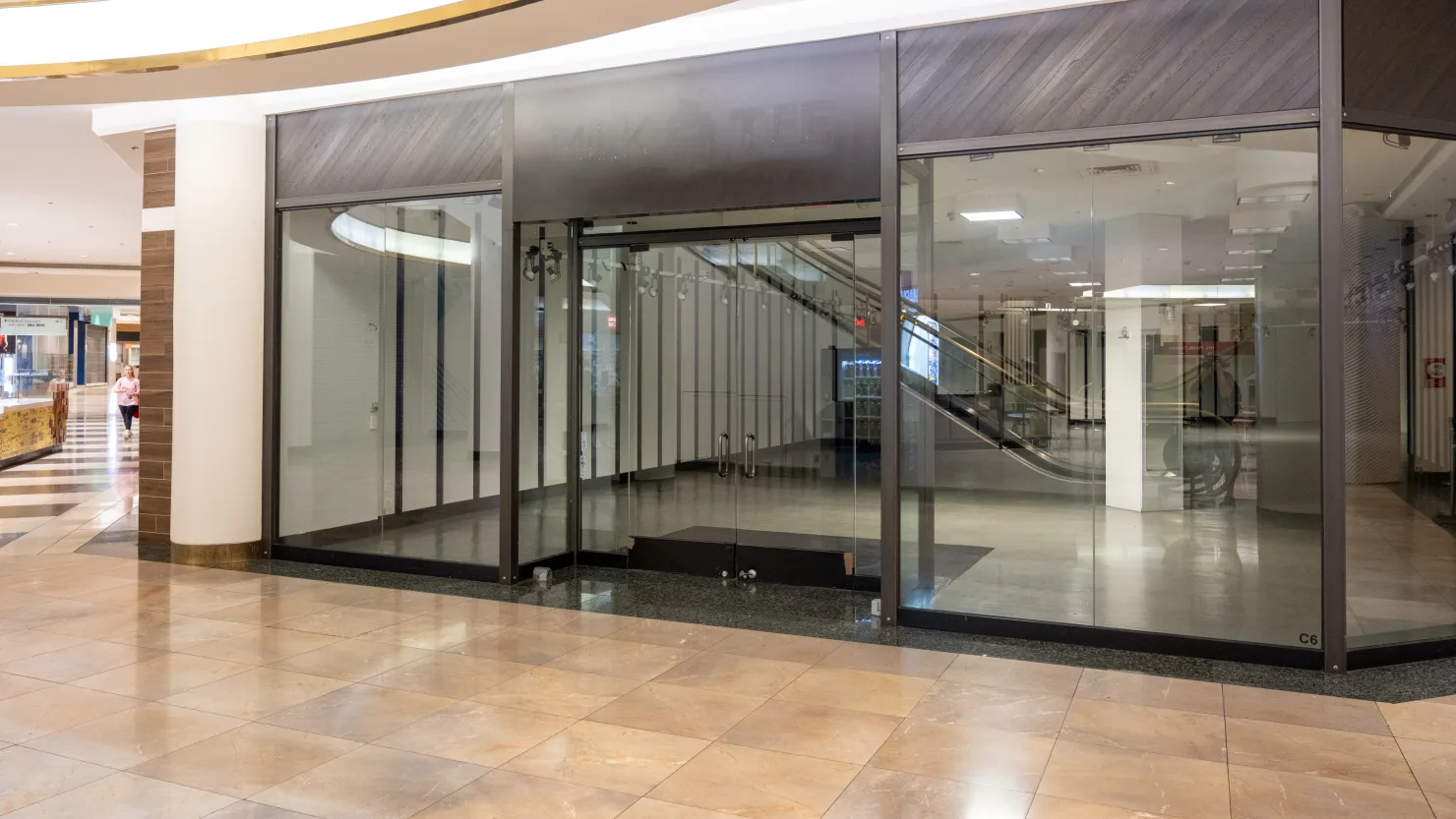
The American shopping mall, once a cultural and commercial hub, is fading. Rising e-commerce adoption, shifting consumer preferences, and pandemic-era habits have left malls struggling to fill storefronts. But for local business owners, the decline has created an unexpected silver lining: sweetened real estate deals.
Landlords eager to replace departing national chains are offering generous concessions, from lower rents to flexible lease terms. The result is a wave of small businesses stepping into spaces that once housed big-box retailers and fashion giants.
A Shift in Tenant Mix
Where department stores and anchor tenants once dominated, coffee shops, fitness studios, artisanal markets, and service-based businesses are increasingly filling the gaps. Property managers say it’s not just about occupancy rates – it’s about relevance.
“Landlords know they can’t recreate the old model,” one retail consultant explained. “So they’re targeting local entrepreneurs who bring unique offerings that online shopping can’t replicate.”
This tenant mix shift is reshaping the character of malls. Once symbols of standardized retail, many are evolving into eclectic spaces that highlight local culture and community.
Sweetened Deals for Entrepreneurs
To attract these tenants, landlords are getting creative. Rent discounts, reduced deposits, revenue-sharing arrangements, and build-out allowances are all on the table.
For example, one mall in Ohio offered a local bakery its first six months rent-free, along with shared marketing support. In Texas, a fitness startup negotiated a lease with performance-based rent tied to membership numbers. These flexible arrangements would have been unthinkable during the mall’s heyday.
“Landlords are willing to take risks on small businesses because the alternative is empty storefronts,” a leasing agent said. “And for entrepreneurs, it’s a once-in-a-generation chance to secure prime real estate.”
Local Businesses Take Center Stage
The opportunities are empowering local owners to expand beyond main streets and standalone shops. Malls, once inaccessible due to high costs and rigid lease requirements, are now attainable.
For some, the move is about growth. For others, it’s about visibility. “We never thought we’d be in a mall,” said the owner of a boutique coffee roaster in Michigan. “But the deal was too good to pass up, and now we’re in front of hundreds of daily shoppers.”
The new presence of local players is also helping malls rebrand themselves as community hubs. Pop-up markets, rotating art exhibits, and food halls featuring independent vendors are becoming fixtures in once-declining properties.
The Bigger Picture: Retail Real Estate in Transition
While the trend offers opportunities, it also reflects the challenges of the retail real estate market. According to CBRE, mall vacancy rates are hovering at multi-year highs, with Class B and C malls facing the steepest struggles. Many Class A malls – those in affluent areas with luxury anchors – remain resilient.
Still, for landlords of underperforming properties, luring local businesses has become a survival strategy. In some cases, entire malls are being repositioned as mixed-use developments, blending retail with housing, offices, and entertainment.
“Not every mall can be saved,” said one real estate analyst. “But for those that adapt, the inclusion of local entrepreneurs is a critical piece of the puzzle.”
Risks for Local Owners
While deals are attractive, risks remain for small businesses. Foot traffic in weaker malls can be inconsistent, and the future of certain properties is uncertain. Entrepreneurs must weigh the benefits of cheap rent against the possibility of operating in a fading retail environment.
“Just because rent is low doesn’t mean sales will be high,” one small business advisor warned. “Owners need to be clear-eyed about the trade-offs.”
Some entrepreneurs are hedging their bets by pursuing short-term leases or pop-up arrangements. This allows them to test the waters without committing long-term.
A New Chapter for Malls and Main Street
The decline of the American mall tells a story of shifting consumer habits, but the rise of local businesses within these spaces signals resilience and reinvention. Malls may never reclaim their former dominance, but they are evolving into hybrid spaces where national brands and hometown entrepreneurs coexist.
For local business owners, the moment represents an unlikely opportunity – one born from decline but filled with possibility. As malls recalibrate, small businesses are finding themselves at the center of a reimagined retail future.