A growing Iran oil blockade is turning into a test of endurance between Washington and Tehran, with global energy markets caught in the middle. The United States has signalled it will maintain naval pressure until Iran agrees to new nuclear terms, while Tehran has refused to reopen key shipping routes unless the blockade is lifted.
The result is a prolonged disruption to oil flows through one of the world’s most critical maritime corridors. As the standoff stretches into weeks, the central question is no longer whether the blockade will bite, but which side can withstand the economic strain for longer.
Tanker traffic stalls as exports collapse
Iranian oil shipments have dropped sharply since the blockade took effect, with no confirmed tanker successfully passing through the restricted zone, according to ship-tracking data cited in the source. Export volumes have fallen from about 2.1 million barrels per day to roughly 567,000 barrels per day.
The financial impact is immediate. A U.S. official estimated that Tehran is losing around $500 million each day in revenue as exports stall. Iranian-linked vessels have been detected in the region, but none have managed to move beyond the blockade perimeter, which stretches from the Gulf of Oman into the Arabian Sea.
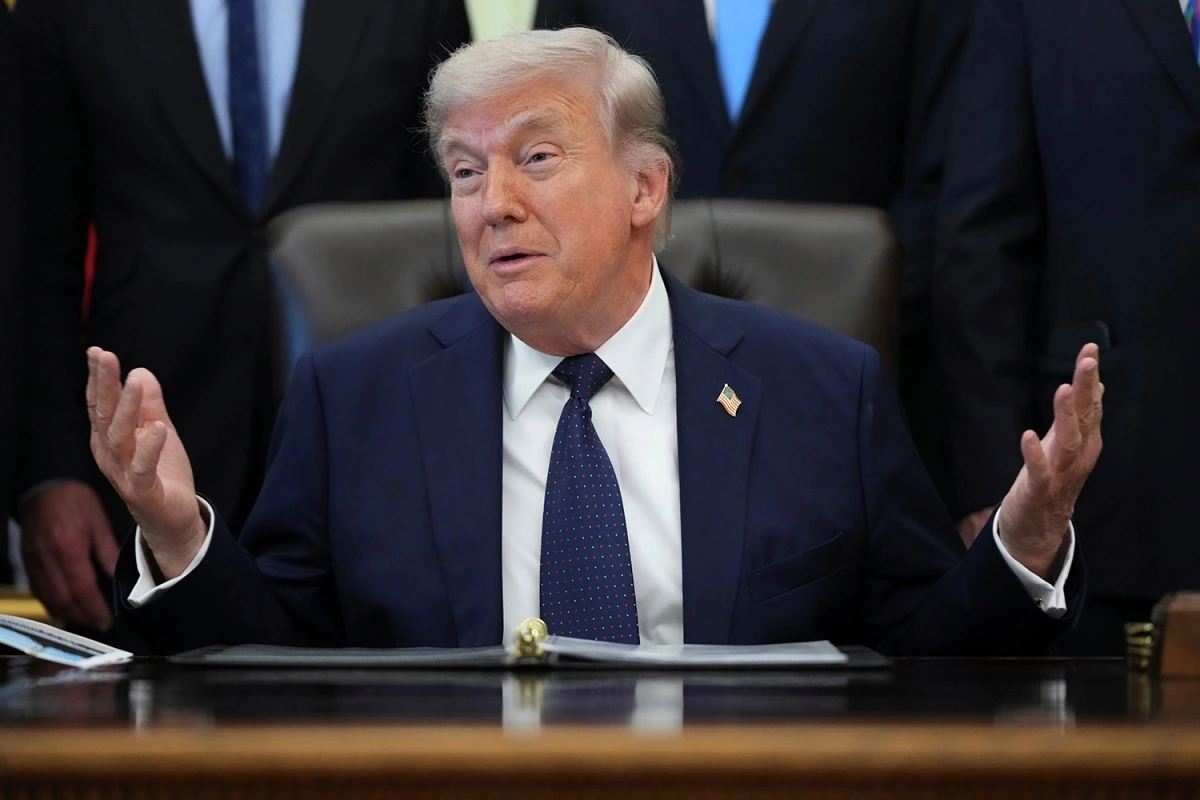
Despite warnings from U.S. President Donald Trump that Iran’s oil infrastructure could face catastrophic failure if storage fills up, analysts say the timeline is longer than suggested. Iran still has significant capacity to store unsold crude, both on land and at sea.
Estimates indicate at least 26 days of available storage based on current capacity, with the possibility of extending that window by several weeks if additional tankers are repurposed as floating storage. In total, Iran could hold out for more than two months before being forced into deeper production cuts.
Energy analysts also note that Tehran is unlikely to maintain production at current levels. Gradual reductions would ease pressure on storage facilities and allow oilfields to be shut down in a controlled manner, reducing the risk of permanent damage.
Why the Strait of Hormuz matters to global markets
The disruption carries broader implications because of the strategic importance of the Strait of Hormuz, a narrow waterway that handles roughly one-fifth of global oil consumption, according to the U.S. Energy Information Administration. Any sustained restriction to flows through this route has historically triggered volatility in energy prices and shipping costs.
Unlike previous regional tensions, the current standoff combines physical disruption with deliberate economic pressure. Iran appears to have prepared for such a scenario, drawing lessons from sanctions placed on countries like Venezuela, where oil output declined gradually under prolonged restrictions rather than collapsing overnight.
From a market perspective, the situation introduces a supply shock that builds over time. While other producers may attempt to compensate, spare capacity globally remains limited. According to the International Energy Agency, much of the world’s excess production capability is concentrated in a small number of countries, leaving markets vulnerable to prolonged disruptions.
There is also a financial dimension beyond oil prices. Shipping insurance premiums for vessels operating in the region have begun to rise, and traders face increasing uncertainty over contract fulfilment. If the blockade persists, these secondary costs could ripple through supply chains, affecting industries far removed from the energy sector.
A countdown shaped by revenue, not storage
The next phase of the standoff will likely hinge less on storage capacity and more on cash flow. Analysts estimate Iran still has oil already loaded on tankers that could generate up to two months of revenue, assuming buyers can be found and payments processed.
If those revenues dry up while the blockade remains in place, Tehran could face mounting fiscal pressure to negotiate. At the same time, the longer global supply remains constrained, the greater the economic impact on importing nations, which may in turn influence Washington’s calculations.
For now, both sides appear prepared for a drawn-out confrontation. The timeline for resolution will depend on which constraint proves decisive first, financial endurance in Tehran or the broader economic fallout from restricted oil flows.