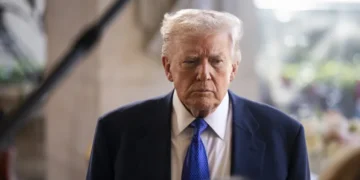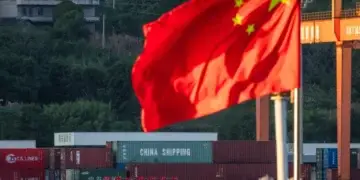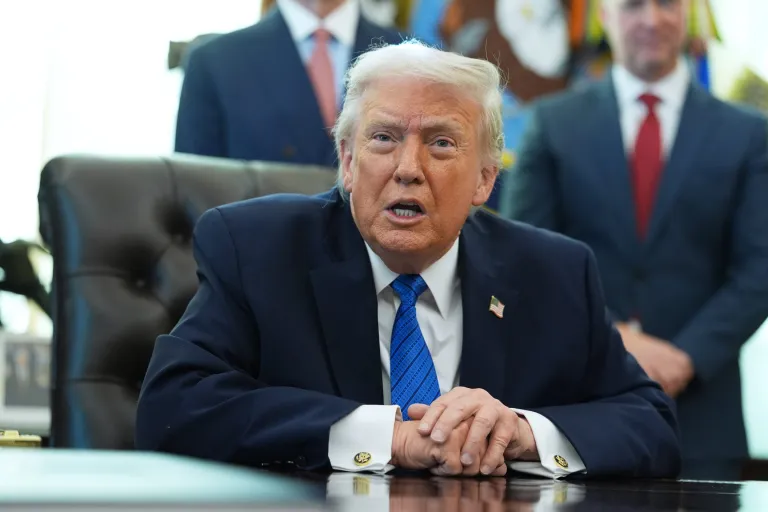
For more than a year, the Trump trade deal bonanza has reshaped global commerce in ways few in Washington initially anticipated. While President Donald Trump has used tariffs to extract concessions from America’s closest partners, those same tactics are now accelerating a wave of trade agreements that bypass the United States altogether.
Bullied by repeated tariff threats and sudden policy reversals, longtime U.S. allies are rethinking their reliance on American markets. The result is a growing network of trade pacts among countries that once prioritized access to the U.S. economy. Economists warn that this shift could erode American influence while raising borrowing costs and consumer prices at home.
Deals Signed, Then Rewritten
Since last summer, Trump has leaned heavily on the threat of punitive import taxes to pressure partners such as the European Union, Japan, and South Korea into trade frameworks widely viewed as favoring the United States. Many of those agreements included pledges for large-scale foreign investment in U.S. manufacturing.
But for foreign governments, the lesson has been sobering. Several partners discovered that concessions did not insulate them from future tariff threats. Just months after reaching a deal with Brussels, Trump floated new tariffs against eight European countries during a dispute involving Greenland, before retreating. More recently, he threatened steep penalties on Canada over its electric vehicle tariff policy toward China.
Former U.S. trade negotiator Wendy Cutler says these episodes have fundamentally altered how allies view American commitments. In her assessment, trade diversification efforts are accelerating as partners seek to reduce their exposure to Washington’s unpredictability.
Europe and India Close the Gap
Nowhere is that shift more visible than in the long-awaited trade agreement between the European Union and India. Announced last week, the pact links the EU’s 27 members with the world’s fastest-growing major economy after nearly two decades of stalled negotiations.
A similar breakthrough came with the EU’s agreement with the Mercosur bloc in South America, a deal 25 years in the making that will create a free trade area of more than 700 million people. Analysts say pressure from Washington helped push both negotiations over the finish line.
European exporters have welcomed the India agreement, particularly manufacturers facing high tariffs. Industry groups described the deal as a statement in favor of rules-based trade at a time of mounting protectionism.
“We Have All the Cards”
Trump, however, remains confident that America’s economic weight limits how far allies can drift. On social media this week, he announced a separate understanding with India that would reduce U.S. tariffs in exchange for New Delhi cutting off Russian oil purchases and expanding imports of American goods.
Details remain scarce, and trade lawyers say businesses are waiting for formal documentation. Still, Trump insists that the U.S. market remains indispensable. “We have all the cards,” he told Fox Business, pointing to the country’s unmatched consumer base.
That leverage is evident in South Korea, where lawmakers moved quickly this week to advance legislation backing a $350 billion investment pledge after Trump raised tariffs in response to delays. Similar dynamics are at play in Canada, which sends roughly three quarters of its exports south of the border.
A Subtle but Costly Shift
Even so, the global response to the Trump trade deal bonanza is beginning to show up in financial markets. The U.S. dollar fell last week to its lowest level since 2022 against several major currencies, as central banks and investors increased their holdings of gold and alternative assets.
Political scientist Daniel McDowell of Syracuse University sees a broader reassessment underway. Countries that once viewed the United States as a stabilizing force are now hedging against policy volatility.
As allies deepen ties with one another, the long-term consequence may be a world less centered on American economic leadership, an outcome driven not by rivals, but by partners seeking predictability.