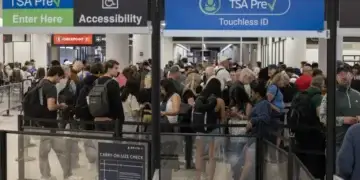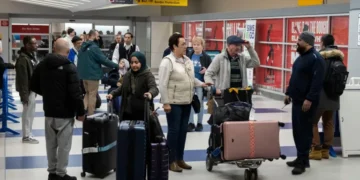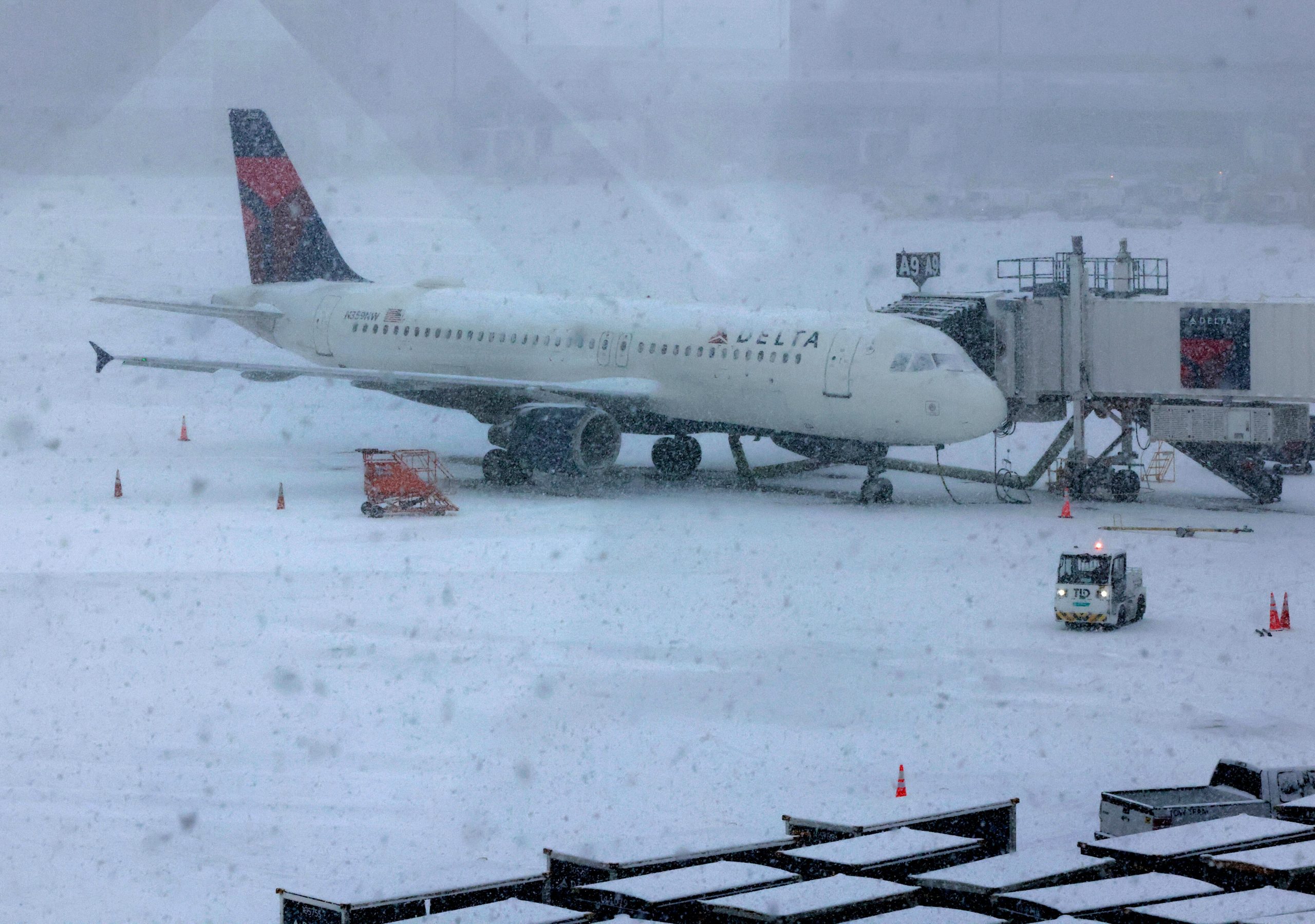
Severe winter weather has once again disrupted air travel across the United States, grounding thousands of flights and leaving passengers scrambling for alternatives. As winter flight cancellations airline refunds become a central concern for travelers, federal rules offer clearer protections than many passengers realize.
A powerful storm system sweeping across multiple regions has forced airlines to cancel more than 12,000 weekend flights, with impacts expected to continue as snow, ice, and freezing temperatures linger. While airlines cannot control the weather, they are still bound by specific consumer protection requirements when flights are canceled.
Watching the Forecast Can Save You Money
Airlines typically begin issuing travel advisories days before major storms arrive. These advisories often allow passengers to rebook without paying change fees, even on nonrefundable tickets. Travelers are advised to search their airline’s website for “travel alerts” or similar notices before finalizing plans.
Several major carriers, including American Airlines, have already waived change fees for passengers affected by the storm and adjusted schedules to help travelers reach their destinations once conditions improve. Acting early can help travelers avoid long customer service delays later.
Check Flight Status Before Leaving Home
One of the most practical steps travelers can take is checking flight status through an airline app before heading to the airport. Airlines frequently cancel flights hours or even days in advance during major weather events.
According to data from FlightAware, major carriers including Delta Air Lines have already canceled large portions of upcoming schedules. Airports across the Midwest, South, and East Coast have seen cascading disruptions, with some hubs suspending nearly all departures during peak storm periods.
When Your Flight Is Canceled, Know Your Options
When a flight is canceled, airlines generally offer passengers the option to be rebooked on the next available flight at no additional cost. Seat availability, however, can be limited during widespread disruptions.
Travelers can ask about alternate routes or later departures, but airlines are not legally required to book passengers on competing airlines. Some carriers may offer partner airline options, though these are not guaranteed.
Refund Rights Are Clear, Even in Bad Weather
Under U.S. law, passengers are entitled to a full refund if their flight is canceled and they choose not to travel. This rule applies regardless of the reason for the cancellation, including weather, and includes nonrefundable tickets.
Airlines may attempt to offer vouchers or travel credits, but travelers have the right to decline and request a refund to their original form of payment. Refunds also apply to unused baggage fees, seat upgrades, and other optional add-ons.
The U.S. Department of Transportation requires airlines to process credit card refunds within seven business days, or within 20 days for payments made by cash or check.
What Airlines Do Not Have to Cover
While refunds are guaranteed, airlines are not required to provide meals, hotels, or other compensation when cancellations are caused by uncontrollable events such as severe weather. These benefits typically apply only when disruptions are due to issues within the airline’s control, including mechanical problems or staffing shortages.
Travelers are encouraged to review each airline’s customer service commitments, which outline what assistance may be offered during controllable disruptions.
Smart Backup Strategies During Winter Travel
Travel experts recommend considering a backup booking when severe weather is forecast. Some airlines allow full refunds if tickets are canceled within 24 hours of booking, providing flexibility if plans change.
Customer service lines often become overwhelmed during major storms. Calling international support numbers or using priority lines linked to frequent flyer status can sometimes lead to faster assistance.
As winter flight cancellations airline refunds continue to dominate travel concerns, understanding these rights can help travelers make informed decisions and avoid unnecessary financial losses during unpredictable weather.