A Costly Promise Under Scrutiny
A new analysis from a leading budget watchdog warns that Donald Trump’s plan to return $2,000 in “tariff dividends” to American households would cost nearly twice as much as the revenue raised by the proposed import taxes.
The Committee for a Responsible Federal Budget (CRFB) said the policy, which aims to offset higher consumer prices with direct cash payments, would deepen the deficit rather than provide meaningful relief.
“Tariffs don’t generate free money,” said Maya MacGuineas, CRFB president. “Every dollar the government collects in tariffs ultimately comes from higher prices paid by American consumers.”
Inside the Tariff Dividend Proposal
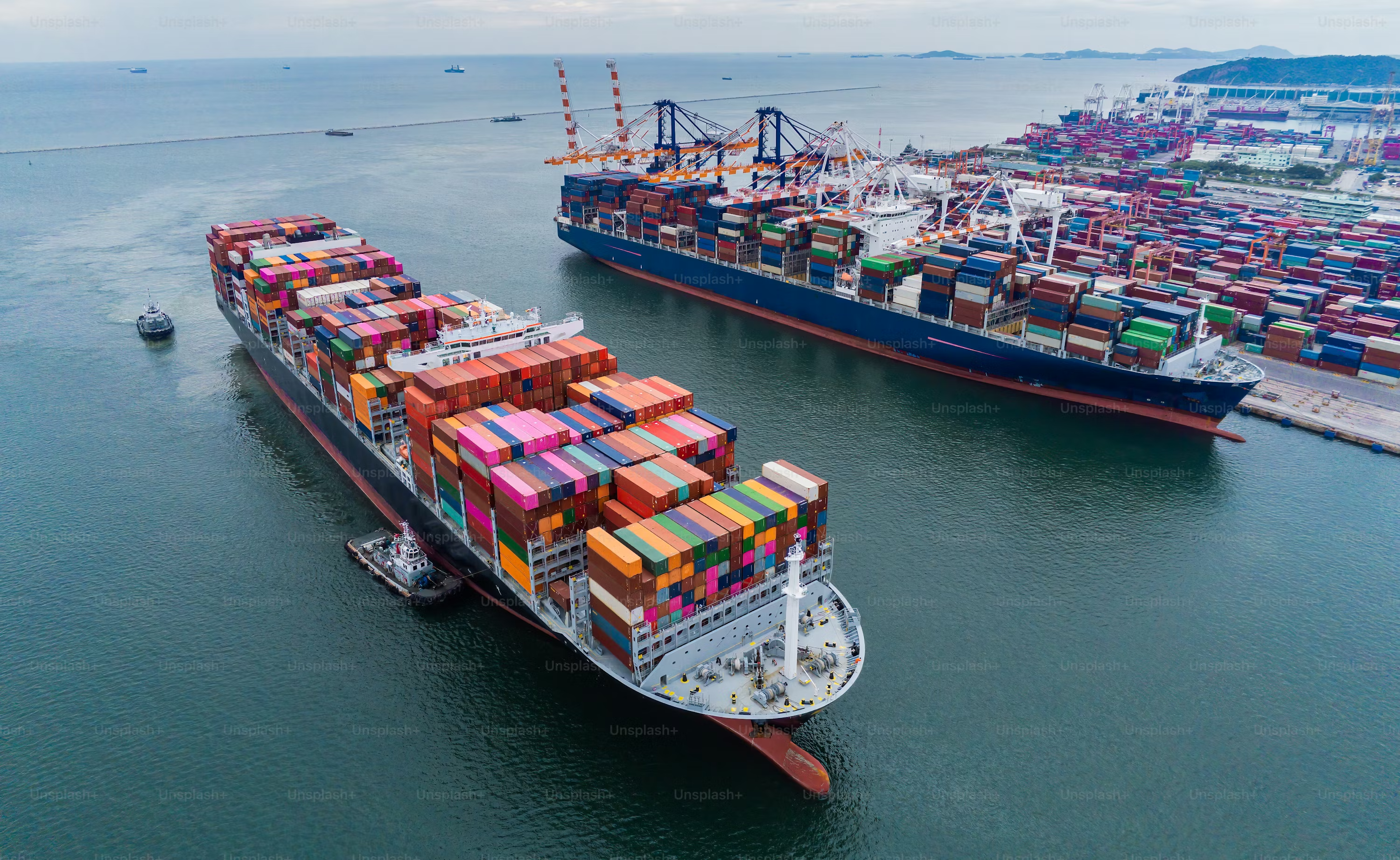
The proposed policy would levy sweeping tariffs on imports, reportedly 10% across-the-board and 60% on Chinese goods, and redistribute part of the proceeds to U.S. households as a “dividend.”
According to Trump’s advisers, the payments would total around $2,000 per household annually, modeled as a “reward” for supporting American-made goods.
But the CRFB says the math doesn’t add up.
“Our estimate shows that such tariffs would raise roughly $350 billion per year, while the dividend payments would cost at least $700 billion,” the group said in its report. “That’s before accounting for lost revenue from slower growth.”
Higher Prices, Lower Growth
Economists say tariffs act as indirect taxes on consumers, raising prices on everything from cars and electronics to clothing and food.
“Tariffs feed inflation first and revenue later,” said Austan Goolsbee, former chair of the Council of Economic Advisers. “Consumers would pay more out of pocket long before they ever see a dividend check.”
Independent analysis from Oxford Economics suggests the proposed tariffs could add up to 0.7 percentage points to annual inflation, while reducing GDP growth by 0.4 percentage points in the first year.
Meanwhile, businesses reliant on imported goods, such as retail chains, manufacturers, and automakers, would face mounting cost pressures that could ultimately lead to job losses or price hikes.
Deficit Risks and Fiscal Fallout
The CRFB’s report argues the tariff dividend proposal would effectively mirror a large unfunded tax rebate, worsening the already precarious federal balance sheet.
With the national debt exceeding $38 trillion, the watchdog warned the U.S. could face higher borrowing costs and reduced fiscal flexibility.
“Sending checks while raising tariffs is fiscal sleight of hand,” MacGuineas said. “It looks like stimulus, but it behaves like a tax increase with a deficit kicker.”
Political Momentum vs. Economic Reality
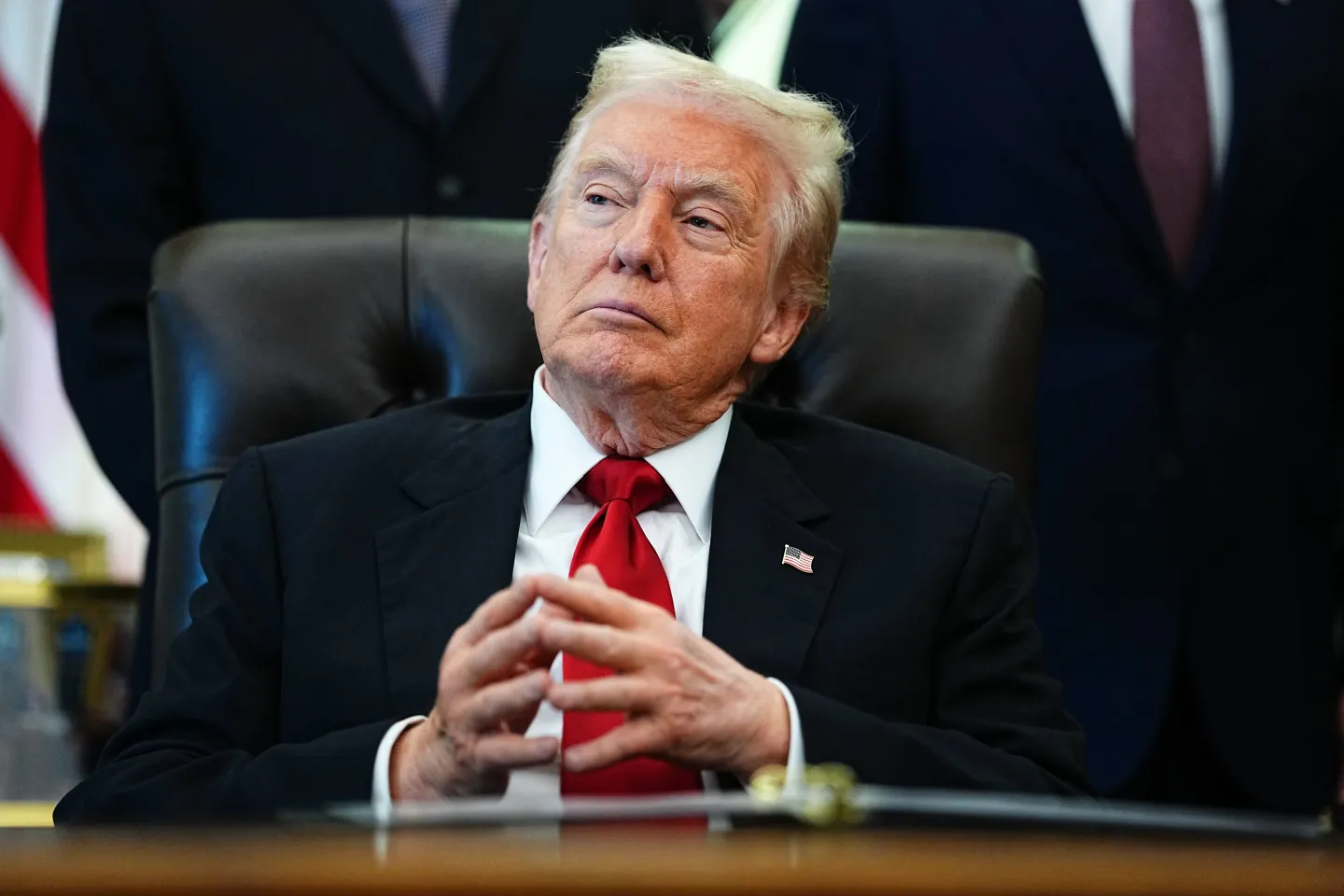
Despite the concerns, Trump has continued to tout the plan as a “win-win for American workers,” framing tariffs as both a revenue tool and a patriotic lever for economic independence.
On the campaign trail, he has argued that foreign producers, not U.S. consumers, will bear the burden of the higher tariffs, a claim most economists dispute.
“The idea that foreign companies will absorb the cost is wishful thinking,” said Jason Furman, Harvard economist and former Obama adviser. “Global supply chains adjust, but they don’t erase the pass-through to consumers.”
Still, political strategists say the concept of tariff-funded household checks resonates with voters frustrated by inflation and inequality. “It’s simple, tangible, and emotionally powerful,” said one GOP campaign consultant. “That’s why it’s hard to counter with spreadsheets.”
Global Reaction and Trade Risks
Internationally, the proposal has raised alarm. Trading partners, including China and the European Union, have hinted at potential retaliatory tariffs if the U.S. revives large-scale protectionist measures.
“The U.S. risks reigniting a global trade war just as supply chains are stabilizing,” said Chad Bown of the Peterson Institute for International Economics. “That could undermine global growth and hurt the very manufacturing base the policy aims to protect.”
The Bottom Line
While the idea of turning tariffs into household “dividends” sounds politically appealing, experts warn it could backfire economically.
The math suggests a net loss for taxpayers once inflation, slower growth, and higher borrowing costs are factored in.
As the CRFB put it: “There’s no such thing as free money in fiscal policy, especially when it starts with a tariff.”