Markets Breathe, but Not for Long
The record-breaking U.S. government shutdown has officially ended after weeks of political standoff and economic uncertainty, but investors are already bracing for the next potential showdown. The temporary funding deal gives Congress just 10 weeks to pass a long-term budget before the government once again risks running out of money.
Wall Street’s initial reaction was a sigh of relief. The Dow Jones Industrial Average jumped more than 300 points, while the S&P 500 gained 0.9%, reflecting optimism that federal workers will return to paychecks and government contractors can resume operations.
But beneath the surface, traders and analysts see little reason for complacency. “We’ve ended one shutdown just to set up another countdown,” said Michael Feroli, chief U.S. economist at JPMorgan Chase. “Markets don’t like uncertainty, and this deal guarantees more of it.”
The Short-Term Fix That Changes Little
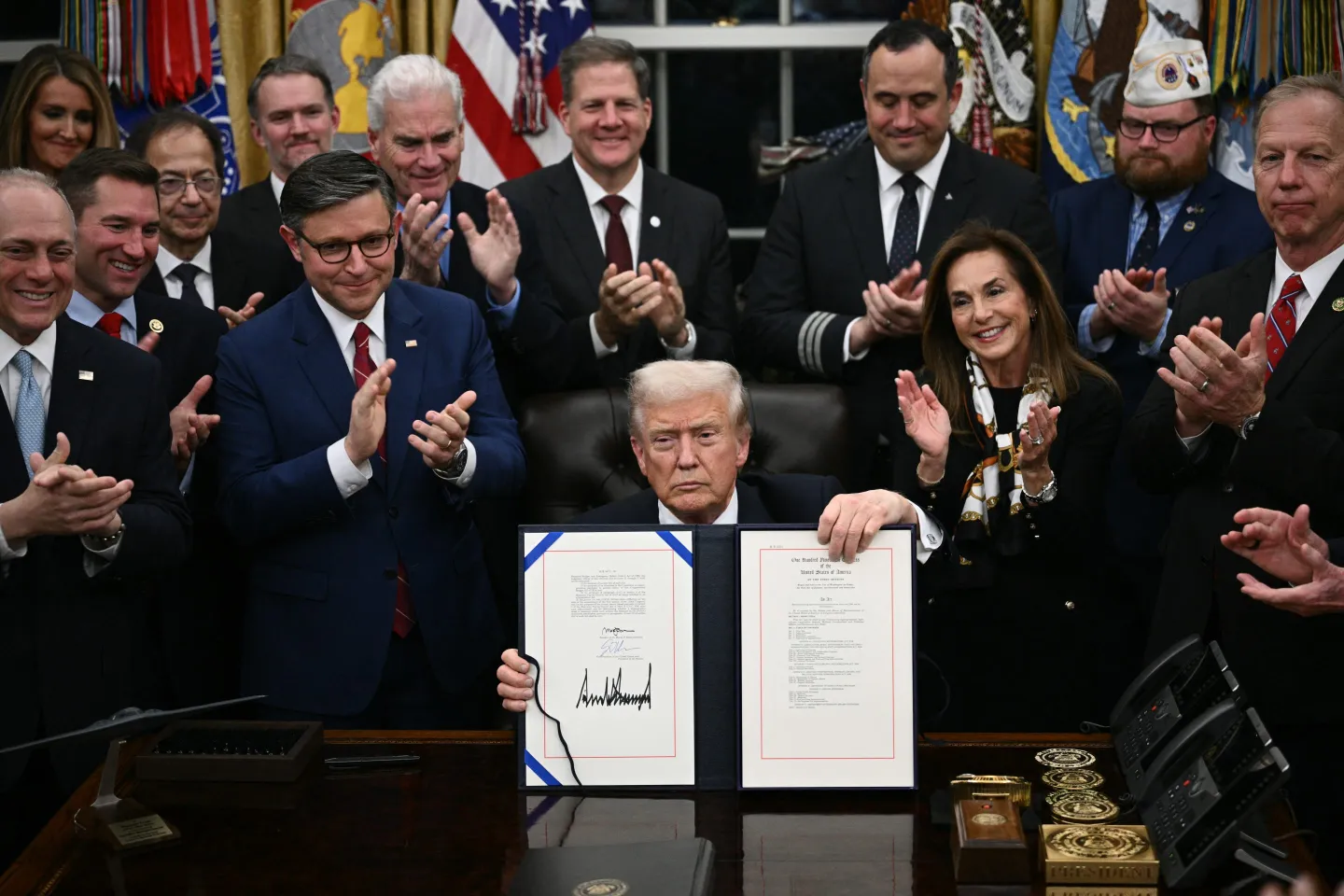
The new agreement, signed late Sunday night, funds federal agencies through December 15, narrowly avoiding deeper damage to the economy. The shutdown – spanning 36 days, the longest in U.S. history – cost the economy an estimated $35 billion in lost output, according to Moody’s Analytics.
Thousands of government employees missed multiple pay periods, small businesses reliant on federal contracts suffered, and tourism-dependent areas near national parks faced major losses.
“This is not victory, it’s a reprieve,” said Sarah Binder, a political economist at George Washington University. “The structural issues that caused this, the fight over spending caps and entitlement reform, remain unresolved.”
Wall Street’s Patience Is Wearing Thin
Financial markets have become increasingly sensitive to fiscal standoffs as the national debt climbs past $38 trillion. The recent impasse delayed economic data releases, froze government contracts, and even disrupted the operations of the SEC and Treasury Department, complicating risk assessments for investors.
“The shutdown adds volatility every time it comes up,” said Art Hogan, chief strategist at B. Riley Wealth. “It interrupts the data flow that markets rely on and makes it impossible to price risk accurately.”
Bond markets, too, are showing strain. The yield on the 10-year Treasury briefly rose to 4.48% before easing as traders sought clarity on fiscal policy. UBS warned in a note that “persistent fiscal brinkmanship could undermine investor confidence in U.S. debt, particularly among foreign buyers.”
Political Gridlock Still Looms Large
The funding deal represents a rare moment of bipartisan cooperation but masks deep divisions in Washington. Lawmakers remain split over defense spending, social programs, and border policy, fault lines that could trigger another shutdown when the next deadline approaches.
President Trump hailed the agreement as “a win for the American people,” but members of his own party have already warned against further compromises. Democrats, meanwhile, said they will not support any future deal that cuts into healthcare or education funding.
“This truce will last only as long as it takes for Congress to reopen the next round of budget warfare,” Binder said.
Economic Fallout Still Being Calculated
Economists expect a temporary boost in GDP in the fourth quarter as government activity resumes, but the damage from the shutdown’s duration could linger. The Congressional Budget Office (CBO) estimates that only 70% of lost output will be recovered this fiscal year.
Consumer confidence has weakened, and businesses that rely on federal permits and approvals, particularly in energy, transportation, and housing, face backlogs that could take months to clear.
“The hit to productivity and public trust is hard to quantify,” said Greg Daco, chief economist at EY-Parthenon. “It’s the kind of uncertainty that discourages investment and hiring.”
Wall Street’s Countdown Begins Again
With the next fiscal deadline just ten weeks away, analysts warn that volatility could return as early as mid-November. Hedge funds and banks are already revising year-end forecasts to account for renewed political risk.
“Markets are learning to trade around dysfunction,” said Daco. “But at some point, that dysfunction starts pricing into valuations.”
The VIX volatility index, Wall Street’s “fear gauge”, fell 8% on Monday but remains elevated compared to earlier in the year. Traders expect another surge as the next shutdown deadline draws near.
A Warning From Ratings Agencies
Ratings firm Fitch recently reaffirmed the U.S. credit rating at AA+, but warned that “continued political brinkmanship and debt ceiling conflicts” could trigger another downgrade.
“America’s governance challenges are now a risk factor,” Fitch said in a statement. “Short-term fixes to long-term fiscal problems weaken the country’s institutional credibility.”
The Bottom Line
For now, Wall Street is catching its breath, but the countdown to the next crisis has already begun.
As one trader put it: “The government’s open, the data will flow, and markets can relax, for ten weeks. After that, we’re right back in the same place.”