President Donald Trump entered his second term promising what he described as some of the most aggressive housing reforms in American history. Six weeks into that effort, the Trump housing affordability plan is showing signs of strain, as proposals stall, internal disagreements surface, and mortgage rates begin to climb again.
With economic anxiety shaping the political environment ahead of the November midterm elections, the White House has floated a series of initiatives aimed at lowering the cost of homeownership. Several of those ideas have been rejected by Congress, criticized by the financial industry, or quietly abandoned by the president himself. The result has been limited policy movement at a time when voters continue to rank housing and living costs among their top concerns.
Balancing affordability with homeowner politics
The administration’s difficulty stems in part from an unresolved political tension. Lowering home prices risks angering existing homeowners who benefit from rising property values. Trump acknowledged that dilemma directly during a recent cabinet meeting, suggesting that broad price declines could unfairly penalize those who already own homes.
Polling indicates that the public remains unconvinced by the administration’s economic record. A January survey from CNN and SSRS found that nearly two thirds of respondents believe the president has not done enough to address the cost of living. Separate polling from The New York Times and Siena College showed that a majority of registered voters think recent policies have made life less affordable rather than easier.
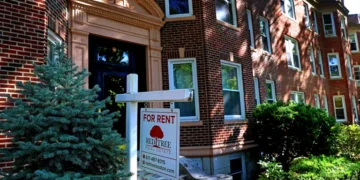
Housing costs remain a focal point of that dissatisfaction. National home prices have risen more than 50 percent since before the pandemic, while rents are roughly 35 percent higher over the same period. According to the National Association of Realtors, the median age of first time homebuyers has climbed to a record 40, underscoring how affordability pressures are reshaping the market.
Messaging gaps and abandoned proposals
Despite early signals that housing affordability would be central to the president’s economic message, Trump has frequently sidelined the issue in public appearances. During his speech at the World Economic Forum in Davos, aides had framed housing as a key theme. Trump referenced existing proposals but offered no new details, and much of the attention shifted to unrelated geopolitical remarks.
At a recent campaign rally in Iowa, another critical battleground state, the president did not mention several of the affordability initiatives at all. He has also publicly distanced himself from ideas promoted by his own advisers. One such proposal, outlined by National Economic Council Director Kevin Hassett, would have allowed workers to tap tax advantaged accounts to help fund down payments. Trump later told reporters he was not a strong supporter of the idea, arguing that Americans should keep their money invested.
Policies with limited reach
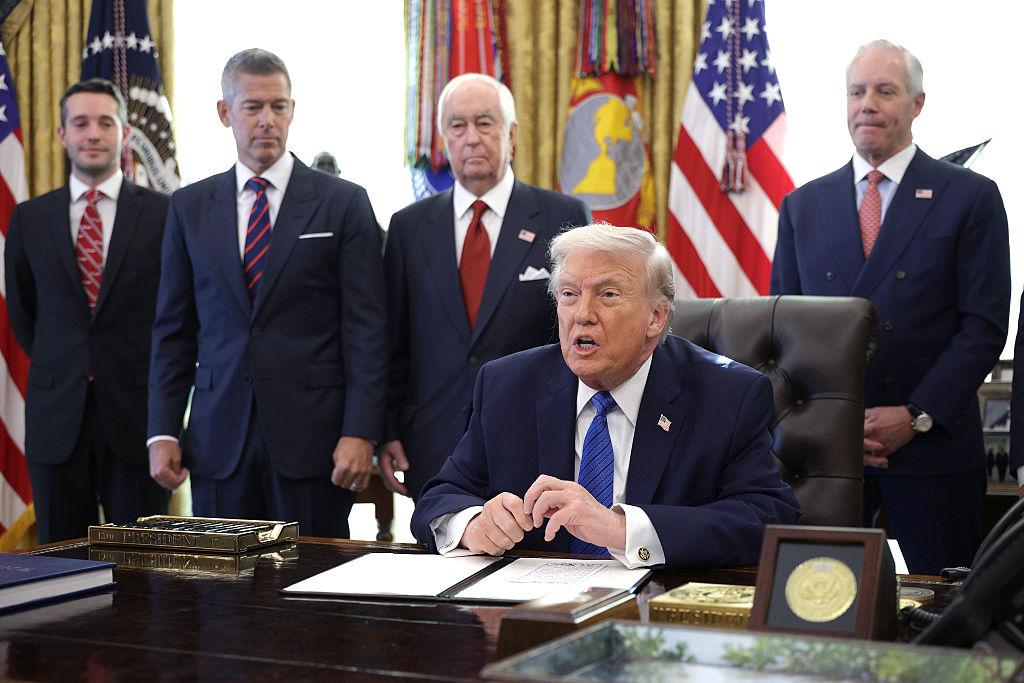
Among the measures Trump has endorsed, many face structural limits. An executive order signed in January sought to curb large institutional investors from buying single family homes. The order left key definitions to the Treasury Department and urged Congress to enact legislation, significantly reducing its immediate impact.
Even if lawmakers moved forward, analysts note that institutional investors account for less than 1 percent of single family homes nationwide and only a small share of single family rentals. Any effect on prices would likely be modest.
Other affordability related ideas have also failed to gain traction. House Speaker Mike Johnson dismissed a suggestion floated by Trump to temporarily cap credit card interest rates, while JPMorgan Chase chief executive Jamie Dimon warned such a move could destabilize the financial system.
Mortgage market intervention faces skepticism
The most concrete action underway involves the government backed mortgage giants Fannie Mae and Freddie Mac. The administration has announced plans for the firms to purchase up to $200 billion in mortgage backed securities, a move intended to lower borrowing costs.
Analysts estimate that the purchases could reduce mortgage rates by as much as 25 basis points. With the current 30 year fixed mortgage rate hovering around 6.1 percent, the reduction would be noticeable but limited. Critics argue that such a change is unlikely to materially shift affordability for most buyers.
Former Federal Housing Finance Agency official Ed DeMarco described the expected impact as insufficient, noting that small rate changes do little to offset high prices. Others warn that once the purchases stop, mortgage spreads could widen again unless the administration commits to additional intervention.
For now, the Trump housing affordability plan remains more aspiration than execution. As economic pressures persist and political stakes rise, the White House faces growing pressure to clarify whether it is willing to push further, or accept that meaningful housing reform may come at a political cost.