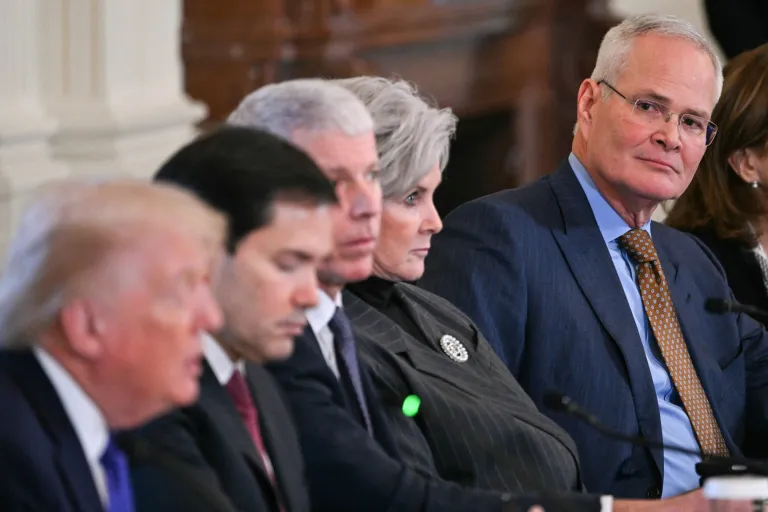
President Donald Trump is escalating pressure on U.S. oil producers to back his plans for Venezuela’s energy sector, singling out Exxon Mobil after its chief executive described the country’s oil industry as “uninvestable.” The remarks underscore growing friction between political ambition and commercial reality as Washington looks to reshape Venezuela’s future through its vast crude reserves.
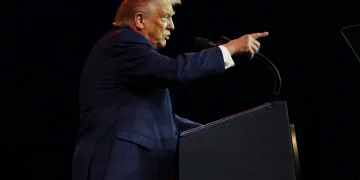
Speaking to reporters on January 11, Trump said he would likely keep Exxon out of Venezuela after being dissatisfied with the company’s response during a White House meeting with global oil executives. “They’re playing too cute,” Trump said, signaling that dissent from his strategy could carry consequences. The dispute places the Trump Exxon Venezuela uninvestable oil debate at the center of U.S. energy and foreign policy discussions.
A blunt assessment at the White House
At the January 9 meeting, Exxon CEO Darren Woods departed from the largely supportive tone struck by other industry leaders. Woods told the president that Venezuela’s oil sector, hollowed out by years of mismanagement and sanctions, would require sweeping reforms before companies could justify multibillion-dollar investments.
Woods emphasized that Exxon would need durable legal protections, stable commercial terms, and credible financial frameworks before committing capital. While he pledged to send a technical team to assess conditions on the ground within weeks, he made clear that major financial commitments would take far longer. His comments contrasted sharply with Trump’s desire for rapid investment and production growth.
Political goals meet market reality
Trump’s push follows the January 3 U.S. military operation that led to the arrest of Venezuelan leader Nicolás Maduro, an action the president has openly tied to control of Venezuela’s oil resources. Trump has repeatedly cited the 2007 expropriation of U.S. oil assets as justification for intervention, calling it the largest theft in American history.
Yet energy analysts argue that the economics remain daunting. Venezuela’s output has fallen to roughly one-third of its levels from the early 2000s, despite holding the world’s largest proven oil reserves. Heavy crude grades dominate production, requiring expensive diluents and extensive infrastructure just to bring oil to market.
“There is no urgency from the industry to return,” said veteran oil analyst Jim Wicklund. He noted that oil markets are already well supplied, meaning a surge in Venezuelan output could depress prices and hurt producers elsewhere, including in the United States.
Billions required, patience demanded
Research from Rystad Energy estimates that more than doubling Venezuela’s current production could take until 2030 and require about $110 billion in investment. Restoring output to levels seen at the turn of the century would take well over a decade and nearly $185 billion.
For Exxon, alternatives look more attractive. The company has helped pioneer offshore production in neighboring Guyana, where political stability and favorable terms offer clearer returns. Other global opportunities, from Brazil’s offshore fields to the Permian Basin in Texas, compete for capital that would otherwise be tied up in Venezuela for years.
Exxon and ConocoPhillips also have long memories in the country. Both lost assets during the 2007 nationalizations, costing billions of dollars and reinforcing industry skepticism about political risk.
Control versus confidence
Trump argues that controlling Venezuela’s oil wealth provides leverage over the country’s future leadership and could help keep U.S. fuel prices low ahead of midterm elections. Cheaper gasoline remains a potent political goal, even as producers caution that investment decisions cannot be dictated by short-term electoral cycles.
Industry observers say Woods may regret the bluntness of his remarks, but few dispute their substance. Rebuilding Venezuela’s oil sector requires massive upfront spending, long timelines, and confidence in legal protections that do not yet exist.
As the standoff continues, the Trump Exxon Venezuela uninvestable oil dispute highlights a fundamental tension. Political power can open doors, but only credible economics will persuade companies to walk through them.