A convergence of crises, is this the next travel breakdown?
The scale of travel chaos 2026 is becoming increasingly apparent as multiple global and domestic disruptions converge at once. A regional conflict in the Middle East, surging oil prices, and operational strain within U.S. airport security systems are collectively reshaping the travel landscape.
Industry observers say the situation reflects a rare alignment of risks. Eric Napoli, Chief Legal Officer at AirHelp, describes the moment as a convergence of unrelated disruptions that are amplifying each other’s effects across global aviation.
Travelers are already adjusting plans, facing delays, cancellations, and sharply higher ticket prices. The uncertainty surrounding how long these disruptions will last is echoing the unpredictability experienced during the COVID-19 era.
Airspace disruption and fuel shock, why prices are soaring
The ongoing conflict involving the United States, Israel, and Iran has significantly disrupted Middle Eastern airspace, a critical hub for international aviation. Key transit cities such as Dubai, Abu Dhabi, and Doha have long served as connectors between Europe, Asia, and North America. That connectivity is now severely constrained.
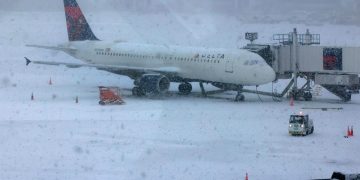
Airlines have been forced to reroute or cancel flights, particularly for routes linking Western markets with Asia. For passengers, this has resulted in longer travel times, fewer available seats, and widespread uncertainty.
At the same time, energy markets are compounding the disruption. Brent crude prices have surged past $115 per barrel, while jet fuel costs have climbed far beyond earlier industry forecasts. These increases are directly affecting airline operating costs, which are rapidly being passed on to consumers.
Travelers who booked flights months in advance are now encountering rebooking scenarios that cost two to three times their original fare. In some cases, alternative routes are limited or unavailable, leaving passengers stranded or forced into complex itineraries.
“Long lines everywhere”, the TSA strain at home
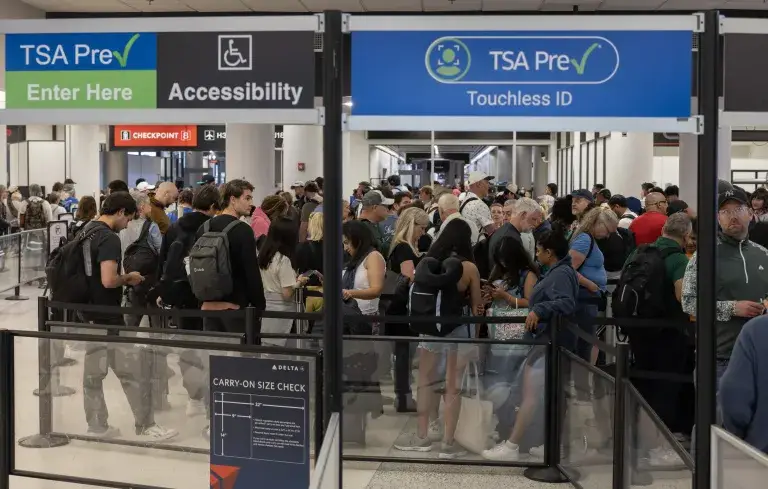
While international conflicts dominate headlines, domestic travel infrastructure in the United States is under its own pressure. A partial government shutdown has left approximately 50,000 Transportation Security Administration officers working without pay for over a month.
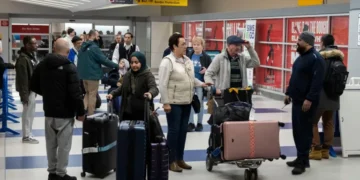
This has led to rising absenteeism, particularly at major airport hubs such as Atlanta, Houston, and New York. Staffing shortages are translating into longer wait times at security checkpoints and increased delays across the system.
Recent data highlights the extent of the disruption. Several major U.S. airports have reported flight disruption rates exceeding 60%, with even top-performing airports seeing disruption levels close to 40%.
The result is a degraded passenger experience marked by extended security lines, delayed departures, and missed connections. Smaller regional airports face the risk of reduced operations or temporary closures if staffing challenges persist.
Tourism under pressure, can major events withstand the disruption?
The timing of this travel instability raises concerns for the broader U.S. economy. The 2026 FIFA World Cup, set to take place across multiple North American cities, is expected to draw millions of international visitors. The Los Angeles 2028 Olympics will follow shortly after, further elevating the stakes.
However, travel chaos 2026 threatens to undermine these opportunities. High ticket prices, unpredictable delays, and concerns about airport efficiency may deter international travelers.
Industry experts warn that reduced visitor numbers would have ripple effects beyond airlines. Hotels, restaurants, and local businesses that depend on tourism revenue could face significant financial shortfalls if travel demand weakens.
Consumer confidence remains a central concern. Uncertainty around travel reliability, combined with geopolitical tensions and economic pressures, is shaping traveler behavior in real time.
What comes next, uncertainty remains the biggest risk
Despite the severity of current disruptions, the full economic impact may take months to materialize. Compensation claims, airline performance data, and tourism metrics typically lag behind real-time events.
For now, the aviation industry is navigating what many describe as an “uncomfortable” period defined by volatility and limited visibility. Airlines, regulators, and travelers alike are operating without clear timelines for resolution.
The key question remains unresolved, how long will this period of instability last, and will it fundamentally reshape global travel patterns?