A Changing Culture at the Heart of Wine Paris
The Paris Wine Show no-alcohol drinks trend took center stage this week at Wine Paris 2026, one of Europe’s most influential trade gatherings for the wine and spirits industry. Held at the Porte de Versailles exhibition center, the event brought together producers, distributors and policymakers at a time when France’s relationship with alcohol is undergoing notable change.
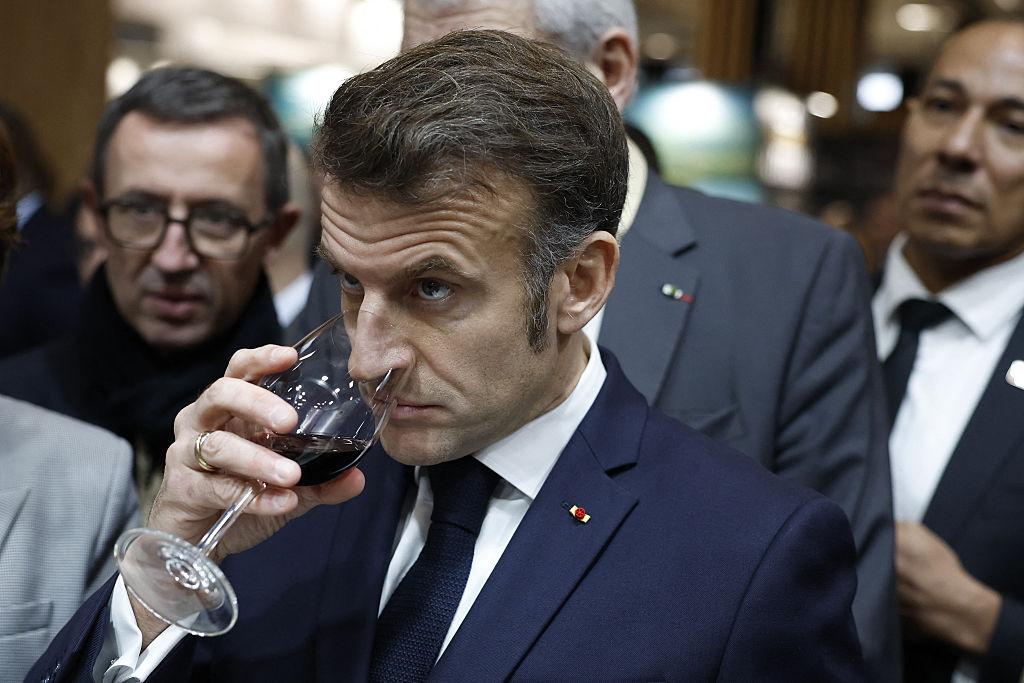
Among attendees was Emmanuel Macron, who toured the fair and met exhibitors as part of a broader push to support the country’s wine sector. Yet beyond the traditional vintages and established labels, a fast-growing category drew particular attention: zero and low-alcohol wines from France and abroad.
Producers from Europe, South Africa, Australia and New Zealand showcased alcohol-free reds, whites, rosés and sparkling options alongside classic bottles. Their presence reflected a structural shift rather than a niche experiment.
Can You Celebrate Without Alcohol?
For Justine Bobin, a Muslim entrepreneur from Burgundy, the expanding selection of no-alcohol beverages offers more than commercial opportunity. It offers inclusion.
Bobin, who runs a delicatessen in France’s wine-producing Burgundy region, attended the show to explore new products she could stock. As a teetotaler, she is accustomed to navigating social settings in a country where wine has long been embedded in daily life.
“People are convinced that you can’t have fun if you don’t drink alcohol in France,” she said during the exhibition.
The Paris Wine Show no-alcohol drinks segment suggests that assumption is weakening. Slogans such as “no alcohol, no regrets, no consequences” and “drink different” targeted consumers who want the taste and ritual of wine without its effects.
Bobin said these options allow drinkers and non-drinkers to share the same social space without discomfort. Instead of standing apart with juice or soda, consumers can raise a glass that looks and feels familiar.
“It offers an alternative for everyone and brings people together,” she said, describing the products as tools for social inclusion rather than abstinence alone.
A Market in Transition
France remains one of the world’s most iconic wine-producing nations, but domestic alcohol consumption has fallen sharply over the past five decades. Daily wine with meals has become less common, particularly among younger adults.
This shift is not unique to France. In the United States, fewer consumers report drinking alcohol compared with previous decades. Across several major markets, low and zero-alcohol brands are gaining share as health awareness grows.
Governments and companies are responding to the pressure. The French government has offered financial incentives to winegrowers willing to uproot vineyards, aiming to reduce excess production in regions where demand has softened.
At the corporate level, global brewers are adjusting portfolios. Heineken recently announced plans to cut up to 6,000 jobs worldwide by 2028 after a decline in beer sales. At the same time, its no and low-alcohol offerings recorded double-digit growth in 18 markets, underscoring a clear divergence between traditional and alternative segments.
The Paris Wine Show no-alcohol drinks category reflects this broader recalibration. Producers are not simply offering diluted versions of established wines. Many invest in advanced de-alcoholization techniques to preserve aroma and structure, aiming to meet the expectations of sophisticated consumers.
Health, Productivity and the Next Generation
Katja Bernegger, an Austrian producer of alcohol-free wines, said the trend is grounded in lifestyle realities rather than novelty.
“People are more mindful of their body,” she said, noting that modern consumers often balance demanding careers and family responsibilities. The physical aftereffects of drinking, once widely tolerated, now conflict with productivity and wellness priorities.
Bernegger began exploring alcohol-free production during pregnancy, when she stopped drinking but missed the complexity of wine. She described the social gap that can emerge when one person abstains in a group setting.
“You are out of it. You have to explain why you don’t drink,” she said.
Her company now targets consumers who want to participate fully in social rituals without compromising health or religious beliefs. That includes pregnant women, athletes, professionals and those who abstain for cultural reasons.
Industry analysts view the category as complementary rather than cannibalistic. Many consumers alternate between alcoholic and non-alcoholic options depending on context, a pattern sometimes referred to as moderation rather than elimination.
From Tradition to Diversification
France’s wine heritage remains intact, but the definition of participation is broadening. Trade fairs like Wine Paris are increasingly platforms for diversification, where centuries-old traditions coexist with modern consumer demands.
For retailers such as Bobin, the rise of no-alcohol products represents commercial resilience. For producers, it signals adaptation. For policymakers, it underscores the need to balance economic heritage with shifting public health priorities.
The Paris Wine Show no-alcohol drinks spotlight captures a pivotal moment. In a country synonymous with wine, the future may include more glasses raised without alcohol, yet still rooted in shared experience.