Two Diverging Futures, One Critical Flashpoint
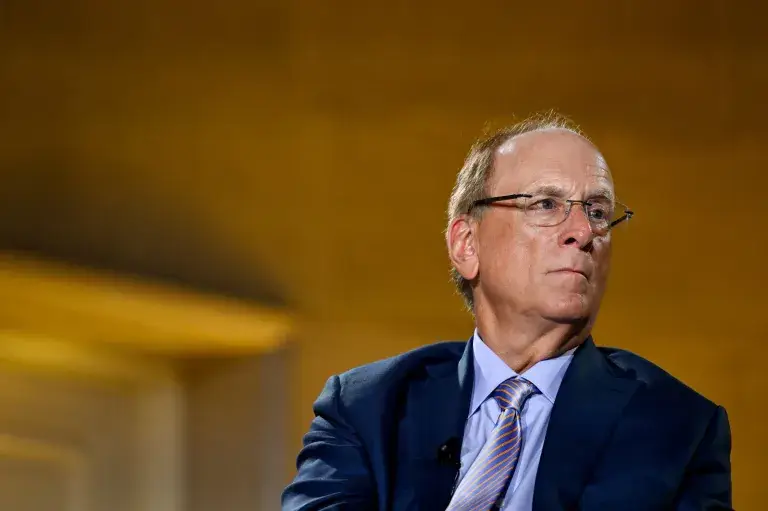
Larry Fink, chief executive of BlackRock, has outlined a stark binary scenario for global markets as tensions surrounding Iran continue to dominate investor attention. The Larry Fink Iran oil outlook suggests that the trajectory of oil prices, and by extension the global economy, will hinge on whether Iran reintegrates into the international system or remains in prolonged conflict.
Speaking during a recent interview, Fink emphasized that there is little room for a moderate outcome. Instead, markets face two sharply contrasting possibilities: a supply-driven decline in oil prices to around $40 per barrel, or a sustained surge above $150 that could trigger a global recession.
This framing reflects growing concern across financial markets about the geopolitical risks tied to energy supply chains, particularly in the Middle East.
Can Iran Rejoin Global Markets and Unlock Supply?
At the center of the Larry Fink Iran oil outlook is the question of whether Iran can re-enter global trade networks. If diplomatic conditions improve, Iranian oil exports could return at scale, significantly increasing global supply.
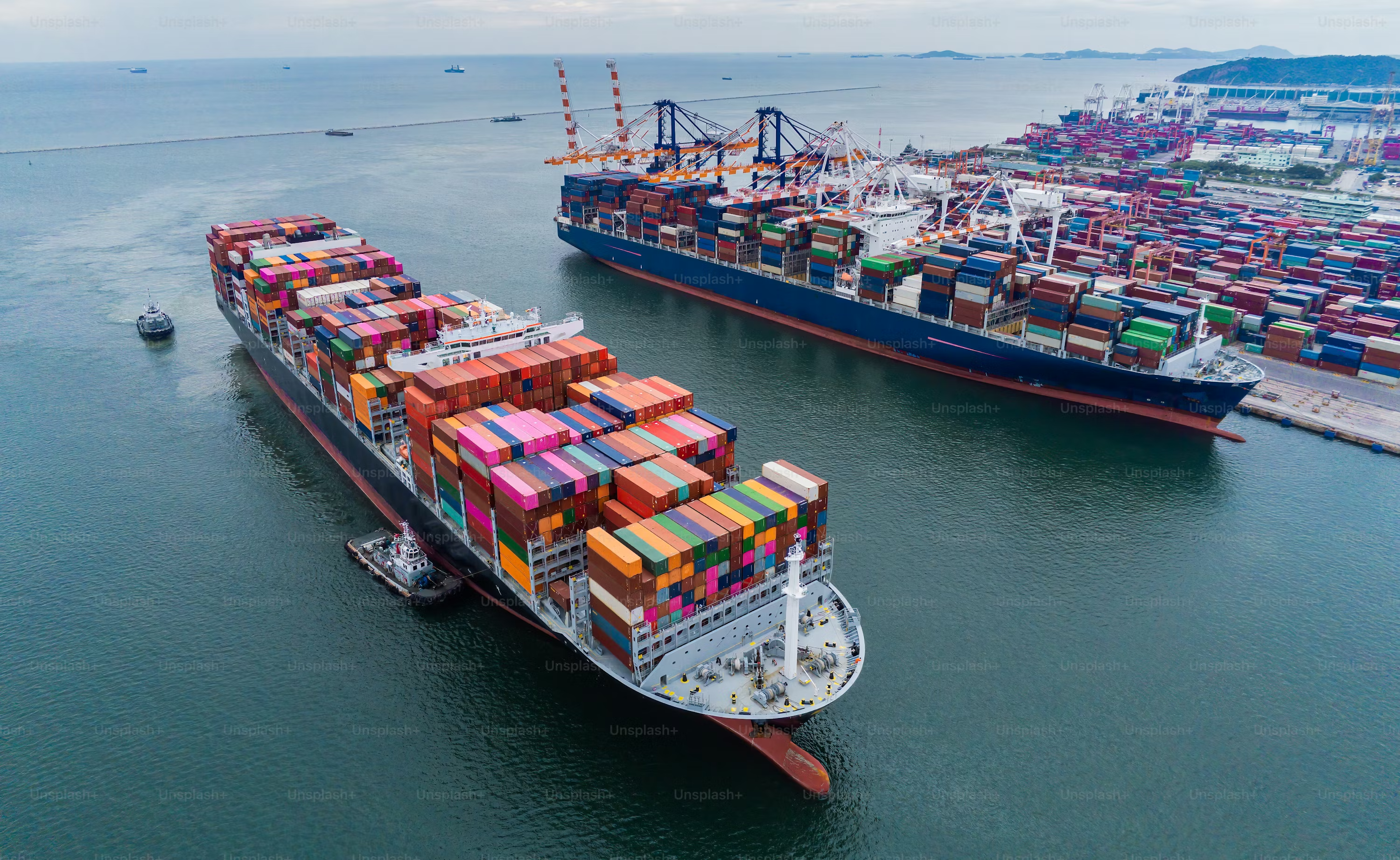
Iran’s geographic position amplifies its importance. The country borders the Strait of Hormuz, one of the world’s most critical energy chokepoints. Roughly 20 percent of global oil supply passes through this narrow waterway, making any disruption immediately consequential for global prices.
Fink noted that a normalization scenario would not only stabilize the region but also release constrained supply into the market. This could lead to a sharp drop in oil prices, easing inflationary pressures and supporting broader economic growth.
Such an outcome would likely benefit both developed and emerging markets, lowering transportation and production costs while boosting consumer purchasing power.
A Prolonged Conflict Could Reshape the Global Economy
The alternative scenario outlined in the Larry Fink Iran oil outlook is considerably more severe. If Iran continues to challenge international norms and disrupt trade routes, energy markets could face sustained constraints.
Fink warned that oil prices could remain elevated, potentially hovering near $150 per barrel for years rather than months. This would have cascading effects across the global economy, from higher fuel costs to increased prices for essential goods.
Energy is deeply embedded in industrial supply chains. Elevated oil and gas prices would raise costs for manufacturing, transportation, and agriculture. Fertilizer production, which relies heavily on natural gas, would also be affected, pushing food prices higher and adding to inflationary pressures worldwide.
In this scenario, Fink suggested, the risk of a synchronized global downturn becomes significantly higher.
Market Optimism Meets Structural Uncertainty
Despite these risks, some leaders on Wall Street remain cautiously optimistic. Jamie Dimon, chief executive of JPMorgan Chase, has expressed measured confidence that the situation could stabilize over time.
However, Fink’s analysis highlights the structural uncertainty embedded in the current geopolitical landscape. The outcome depends not only on military developments but also on political decisions within Iran and among global powers.
Recent leadership changes in Iran have added another layer of unpredictability. Whether the country’s new leadership chooses engagement or confrontation could define energy markets for years to come.
Why This Moment Matters for Investors and Policymakers
The implications of the Larry Fink Iran oil outlook extend beyond energy markets. For investors, the divergence between $40 and $150 oil represents vastly different asset allocation strategies, inflation expectations, and growth projections.
For policymakers, the stakes are equally high. A low-price environment could support economic expansion and stability, while prolonged high energy costs may require intervention to manage inflation and protect consumers.
Fink’s core message is not a prediction but a framework. The global economy stands at a crossroads, with outcomes that could reshape trade flows, supply chains, and financial markets.
As geopolitical developments continue to unfold, markets are likely to remain sensitive to even small signals, reflecting the high stakes embedded in this pivotal moment.