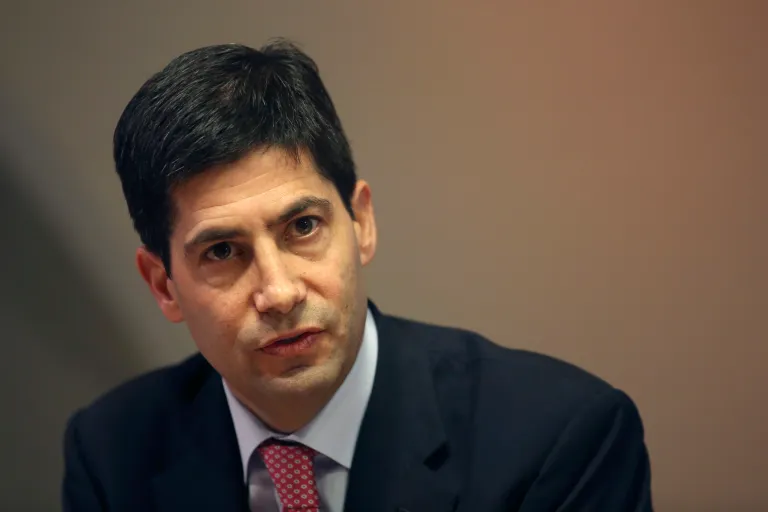
The sharp rally in precious metals has finally lost momentum, with gold and silver prices falling after weeks of relentless gains. The pullback followed confirmation that Kevin Warsh will be nominated as the next chair of the U.S. Federal Reserve, a development that shifted investor expectations around monetary policy and risk.
Gold dropped to around $4,700 per troy ounce over the weekend, retreating from levels above $5,000 that dominated much of late January. Silver followed a similar trajectory, falling to roughly $80 per ounce after peaking earlier in the month. Both metals declined sharply after markets digested the implications of Warsh’s likely leadership at the Fed.
Safe haven demand meets a policy reality check
The surge in precious metals over the past year had been driven by persistent economic uncertainty and a search for alternatives to traditional portfolio hedges such as bonds and cash. Gold and silver benefited from fears surrounding U.S. fiscal sustainability, the independence of central banks, and the long-term outlook for the dollar.
Warsh’s nomination appears to have interrupted that narrative. While he is generally viewed as relatively flexible on short-term interest rates, he has a reputation for taking a firm stance on the size of the Federal Reserve’s balance sheet. Markets see him as less inclined to provide unlimited support for government borrowing, a view that challenges the assumptions underpinning much of the recent gold rally.
Investors also appear reassured by Warsh’s perceived distance from day-to-day political influence, reducing concerns that monetary policy could be used as a tool of fiscal accommodation. Together, these factors have weakened the urgency that fueled the fear-of-missing-out trade in precious metals.
Analysts point to leverage and positioning
Strategists say the speed of the selloff reflects how crowded the trade had become. Jim Reid, global head of macro research at Deutsche Bank, noted that gold recorded its largest single-day decline since 2013. In a client note, he argued that prices had become detached from fundamentals, leaving the market vulnerable to a sudden correction once sentiment shifted.
According to Reid, it often takes only a modest trigger to unwind leveraged positions when enthusiasm runs ahead of economic logic. Warsh’s nomination provided that catalyst, even if the broader macro backdrop remains supportive for long-term hedging assets.
At UBS, chief economist Paul Donovan downplayed the broader economic significance of the move. He suggested the decline was less about central bank policy and more about exhaustion in the trade itself. Donovan described the recent rally as a classic FOMO-driven surge that ran out of buyers rather than a signal of deteriorating fundamentals.
Bubble warnings emerge, but bulls stay confident
Caution had already been creeping into analyst commentary before the latest selloff. Bank of America highlighted rising instability in gold prices, noting that its internal Bubble Risk Indicator had climbed close to one. That reading suggested heightened risk of sharp moves in either direction, a sign that positioning had become increasingly fragile.
Despite the correction, not all major institutions are turning bearish. Deutsche Bank maintains a $6,000 per ounce target for gold, arguing that the structural drivers behind investor demand remain intact. Research analyst Michael Hsueh said long-term allocation strategies have not materially changed and that gold continues to play a role as protection against macroeconomic volatility.
China remains a key factor in that outlook. Hsueh pointed to strong inflows into Chinese gold exchange-traded funds, which could reach record levels this year if early 2026 buying trends persist. Institutional diversification away from dollar-denominated assets, he added, is still a live theme among large investors.
Markets digest the broader implications
The pullback in precious metals comes amid a mixed global market backdrop. U.S. equity futures were lower ahead of the New York open, while European markets showed little movement in early trading. Asian equities faced heavier losses, led by declines in Japan, China, and South Korea, reflecting broader risk-off sentiment.
For now, the decline in gold and silver prices fall into the category of a correction rather than a trend reversal. The episode underscores how quickly sentiment can shift when positioning becomes crowded and narratives change, even slightly. Whether the move proves to be a temporary pause or the start of a more sustained adjustment will depend on how investors reassess risk, policy credibility, and the role of safe haven assets in the months ahead.