Markets are heading into another Federal Reserve decision week with muted expectations. Fed rate cut expectations remain low ahead of the latest Federal Open Market Committee meeting, with investors broadly pricing in no change to interest rates.
The benchmark rate is widely expected to remain in the 3.5 percent to 3.75 percent range, a level that has held steady through recent meetings. According to CME Group’s FedWatch tool, the probability of even a modest 25 basis point cut is below 3 percent. For now, policymakers appear content to wait for clearer economic signals.
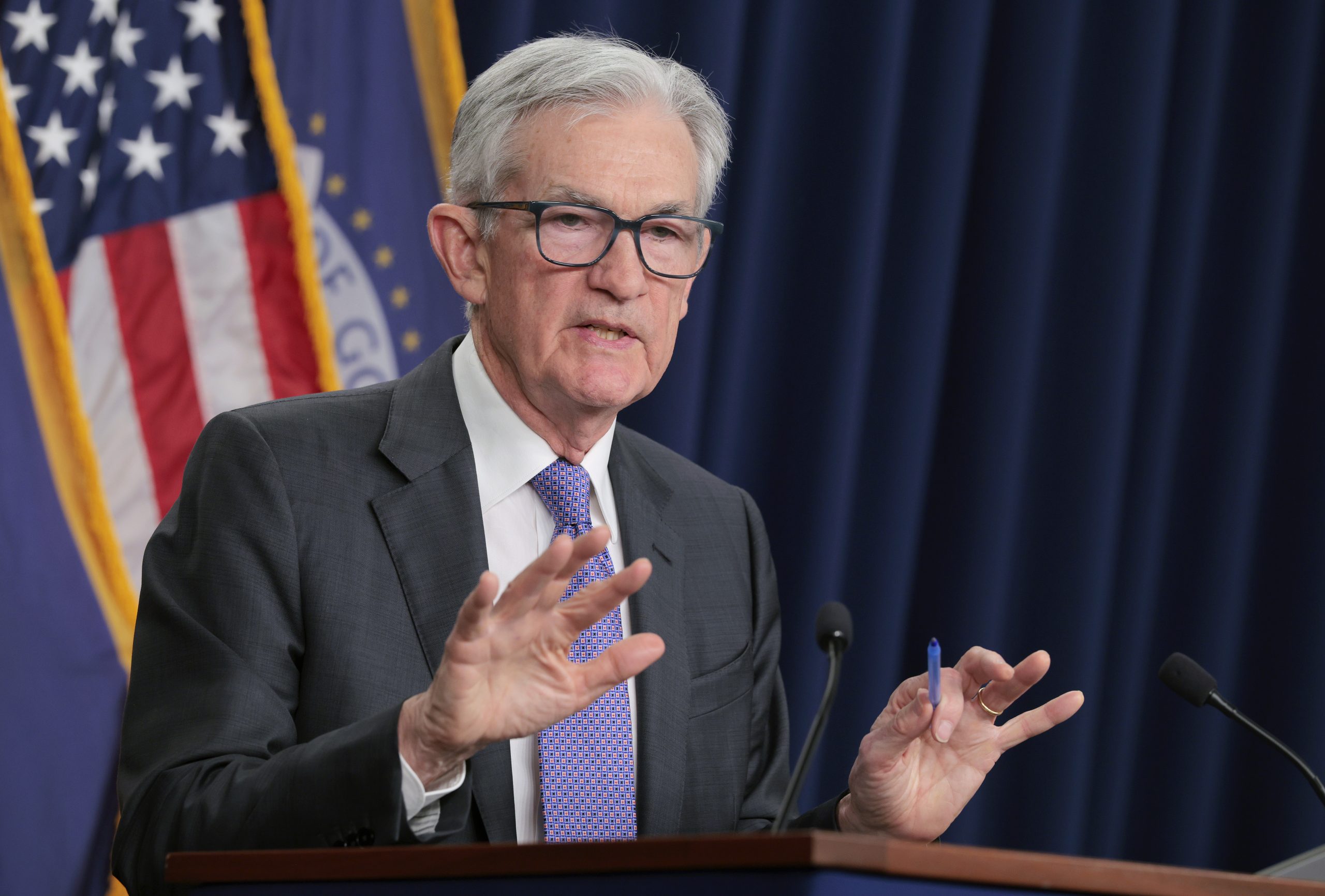
At the center of attention is Federal Reserve Chair Jerome Powell, whose cautious approach has frequently clashed with political pressure for easier monetary policy. While the White House has repeatedly called for lower borrowing costs, Powell has emphasized the need to ensure inflation remains on a sustainable path toward the Fed’s 2 percent target.
Why the Fed Is in No Rush to Cut
Many economists entered 2026 expecting it to mark the start of a steady easing cycle. That view was shaped by signs of labor market cooling and limited inflation pass through from new tariffs. Those assumptions are now being questioned as economic data continues to show resilience.
The U.S. labor market has remained firm, and consumer spending has held up better than expected. Inflation, while no longer surging, remains above the Fed’s long term target. These dynamics have reinforced the case for patience rather than urgency.
Another factor shaping expectations is leadership uncertainty. Powell’s term is set to end in the spring, with President Trump expected to nominate a successor who favors looser policy. Even so, markets appear skeptical that a leadership change alone will rapidly alter the Fed’s direction.
Could the Next Move Be Up, Not Down?
A minority of analysts argue that the debate has shifted too far toward cuts. Economists at Macquarie say the Fed’s next move could still be a rate hike, potentially late this year.
Their view is rooted in the idea that the economy may be operating closer to full strength than many believe. They point to improving labor market trends and the possibility that unemployment could drift lower over time. In that scenario, inflation pressures may prove more persistent.
Macquarie also suggests that once a new Fed chair takes office, institutional incentives could limit any dramatic shift toward dovish policy. Maintaining credibility and inflation control, they argue, may outweigh political considerations once the role is assumed.
Has the Neutral Rate Moved Higher?
Underlying the debate is a broader reassessment of what constitutes a “normal” interest rate. Before the pandemic, the Fed held rates near zero for years, a policy that some critics now argue fueled asset inflation and economic imbalances.
During the post pandemic inflation surge, rates climbed as high as 5.5 percent, forcing the Fed to carefully engineer a slowdown without triggering a recession. That effort was largely successful, but it reopened questions about whether the neutral rate should settle higher than the pre pandemic norm.
If the economy continues to grow and inflation remains sticky, the Fed may conclude that rates closer to current levels are appropriate for longer. Powell is expected to address this issue in his press conference, signaling how policymakers are thinking about long term equilibrium.
Wall Street Still Leans Toward Cuts
Despite these concerns, the consensus view on Wall Street still favors eventual easing. At Goldman Sachs, economists expect a 25 basis point cut in June, followed by another later in the year that would bring rates closer to 3 percent.
Goldman’s outlook assumes that inflation will gradually soften and that labor market stability will give the Fed room to act. However, analysts caution that cuts are not urgent and may be delayed if economic conditions remain firm.
Similarly, strategists at Bank of America see little appetite for tightening. They argue that while inflation is elevated and the labor market has softened, both trends are relatively stable. With fiscal stimulus expected to support growth, they view a hike as the least likely outcome.
For now, Fed rate cut expectations remain subdued, and the central bank appears committed to waiting. Whether patience gives way to easing or an unexpected hike will depend on how inflation and employment evolve in the months ahead.