MILLIONAIRE
  • Home
  • BUSINESS
  • ECONOMY
  • FINANCE
  • LIFESTYLE
  • MILLIONAIRE STORY
  • REAL ESTATE
  • TRAVEL
No Result
View All Result
MILLIONAIRE
  • Home
  • BUSINESS
  • ECONOMY
  • FINANCE
  • LIFESTYLE
  • MILLIONAIRE STORY
  • REAL ESTATE
  • TRAVEL
No Result
View All Result
MILLIONAIRE
No Result
View All Result
Home ECONOMY

Trump Military Budget Could Add $7 Trillion to US Debt, Watchdog Warns

April 3, 2026
in ECONOMY
Trump Military Budget Could Add $7 Trillion to US Debt, Watchdog Warns

A historic defense surge, but at what cost?
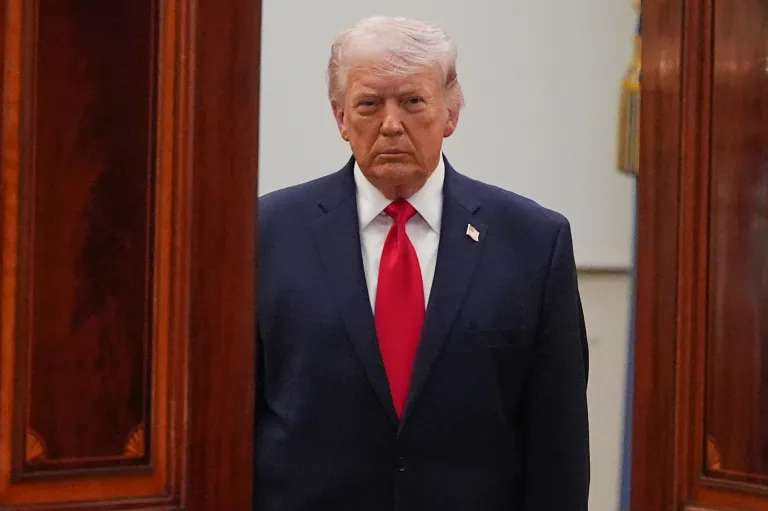
A proposed Trump military budget is drawing scrutiny from fiscal analysts, with estimates suggesting it could add nearly $7 trillion to the United States national debt over the next decade. The plan, expected to be outlined in the White House fiscal year 2027 budget request, would significantly expand defense spending to approximately $1.5 trillion annually.

You might also like

US Jobless Claims Fall as Low Layoffs Mask Slowing Hiring Trends

AI hype inflation: Fed economists warn of short-term economic surge

Retail Sales Rise 0.6% in February as Gas Price Surge Looms

The Trump military budget proposal arrives at a time when the national debt has already surpassed $39 trillion. Analysts warn that layering additional borrowing onto an already elevated debt load could intensify long-term fiscal pressures, particularly in a higher interest rate environment.

According to the Committee for a Responsible Federal Budget, a nonpartisan watchdog group, the increase in defense spending could total $5.8 trillion between 2027 and 2036. When accounting for interest costs, the full impact on federal debt could reach $6.9 trillion.

Interest payments now rival national priorities
Rising borrowing costs are becoming a central concern in the broader fiscal debate. Net interest payments on federal debt are projected to exceed $1 trillion in fiscal year 2026, nearly tripling levels recorded in 2020.

In the first quarter of the current fiscal year alone, the government spent approximately $270 billion on interest payments, surpassing defense expenditures over the same period. This shift underscores a structural challenge, where servicing existing debt increasingly competes with core government priorities.

Economists note that higher interest rates have amplified the cost of borrowing, making new debt issuance more expensive than in previous years. This dynamic complicates efforts to expand spending without offsetting measures such as tax increases or reductions elsewhere in the federal budget.

Powell’s warning, ‘The path is not sustainable’
Federal Reserve Chair Jerome Powell has reiterated concerns about the trajectory of US debt, emphasizing that while current levels are manageable, the pace of growth is not.

Speaking at a recent academic forum, Powell highlighted the widening gap between debt accumulation and economic expansion. He noted that federal debt is growing faster than the economy, a trend that, if sustained, could undermine long-term fiscal stability.

Powell distinguished between the absolute level of debt and its growth rate, stressing that sustainability depends on aligning debt expansion with economic output. Without adjustment, he warned, the imbalance could lead to adverse economic consequences over time.

Projections from the Congressional Budget Office indicate that debt held by the public could rise from roughly 101 percent of GDP today to 120 percent by 2036, exceeding levels seen in the aftermath of World War II.

Can policymakers offset the increase?
Supporters of the proposed defense expansion argue that national security priorities justify higher spending. However, fiscal watchdogs stress that any increase of this scale should be accompanied by offsets, whether through spending cuts, revenue increases, or a combination of both.

The Committee for a Responsible Federal Budget has urged lawmakers to ensure that additional defense funding does not further widen the deficit without a credible financing plan. Without such measures, the long-term fiscal outlook could deteriorate further.

The debate ultimately places responsibility on Congress, which must reconcile competing priorities of defense, economic growth, and fiscal sustainability. While some policymakers advocate for growth-led solutions, others emphasize the need for structural reforms to stabilize debt levels.

As the administration prepares to release its full budget proposal, the Trump military budget is likely to become a focal point in Washington’s ongoing fiscal debate. The scale of the proposed increase, combined with existing debt dynamics, leaves little margin for policy missteps.


Share30Tweet19

Recommended For You

US Jobless Claims Fall as Low Layoffs Mask Slowing Hiring Trends

by Zoe
April 3, 2026
0
US Jobless Claims Fall as Low Layoffs Mask Slowing Hiring Trends

A resilient signal or a misleading calm?US jobless claims declined last week, offering a measure of stability in an otherwise uncertain labor market. New filings for unemployment benefits...

Read moreDetails

AI hype inflation: Fed economists warn of short-term economic surge

by Zoe
April 2, 2026
0
AI hype inflation: Fed economists warn of short-term economic surge

Is AI enthusiasm quietly pushing prices higher? A growing wave of optimism around artificial intelligence may be doing more than reshaping industries, it could be contributing to near-term...

Read moreDetails

Retail Sales Rise 0.6% in February as Gas Price Surge Looms

by Zoe
April 2, 2026
0
Retail Sales Rise 0.6% in February as Gas Price Surge Looms

A strong February, but a fragile outlook ahead? Retail sales rose 0.6% in February, offering a stronger-than-expected signal of consumer resilience before a sharp rise in fuel costs...

Read moreDetails

Walmart Recession Signal Climbs to 2008 Levels as Economic Risks Build

by Zoe
April 1, 2026
0
Walmart Recession Signal Climbs to 2008 Levels as Economic Risks Build

A market indicator known as the Walmart recession signal is drawing renewed attention after reaching levels not seen since the 2008 financial crisis. Developed by veteran strategist Jim...

Read moreDetails

US Hiring Rate Falls to Pandemic-Era Levels as Job Market Momentum Stalls

by Zoe
April 1, 2026
0
US Hiring Rate Falls to Pandemic-Era Levels as Job Market Momentum Stalls

A Labor Market That Is ‘Open’, Yet Not HiringThe US hiring rate falls to pandemic-era levels, signaling a sharp slowdown in labor market activity despite relatively stable unemployment....

Read moreDetails

Leave a Reply Cancel reply

Your email address will not be published. Required fields are marked *

Browse by Category

  • AI
  • BUSINESS
  • ECONOMY
  • FINANCE
  • LIFESTYLE
  • MILLIONAIRE STORY
  • REAL ESTATE
  • TRAVEL

Recent Posts

  • Anshika Arora: Decoding Gen-Z Love and Rebuilding the Wedding Industry
  • US Jobless Claims Fall as Low Layoffs Mask Slowing Hiring Trends
  • Gen Z Migration Is Powering the Rise of Nashville and Orlando as New Tech Hubs
  • Trump Military Budget Could Add $7 Trillion to US Debt, Watchdog Warns
  • Sakshi Chhabra Mittal: Building a “Food as Medicine” Empire at the Intersection of AI and Nutrition

Recent Comments

No comments to show.

Archives

  • April 2026
  • March 2026
  • February 2026
  • January 2026
  • December 2025
  • November 2025
  • October 2025
  • September 2025
  • August 2025
  • July 2025
  • June 2025
  • May 2025
  • April 2025
  • March 2025
  • February 2025
  • June 2024

Categories

  • AI
  • BUSINESS
  • ECONOMY
  • FINANCE
  • LIFESTYLE
  • MILLIONAIRE STORY
  • REAL ESTATE
  • TRAVEL

CATEGORIES

  • AI
  • BUSINESS
  • ECONOMY
  • FINANCE
  • LIFESTYLE
  • MILLIONAIRE STORY
  • REAL ESTATE
  • TRAVEL

About Millionaire MNL News

  • About Millionaire MNL News

© 2025 Millionaire MNL News

No Result
View All Result
  • HOME
  • BUSINESS
  • ECONOMY
  • FINANCE
  • LIFESTYLE
  • MILLIONAIRE STORY
  • REAL ESTATE
  • TRAVEL

© 2025 Millionaire MNL News

Are you sure want to unlock this post?
Unlock left : 0
Are you sure want to cancel subscription?