A geopolitical flashpoint returns to center stage
Global markets are entering the week under pressure as investors closely monitor a rapidly escalating Strait of Hormuz crisis, with the United States and Iran locked in a high-stakes standoff that could reshape energy markets and regional stability.
Futures tied to major U.S. indices signaled cautious sentiment ahead of trading. Dow Jones Industrial Average futures slipped modestly, while S&P 500 and Nasdaq futures also edged lower. The declines reflect growing concern that the confrontation could disrupt global oil flows and deepen an already strained energy environment.
Oil prices, which have surged in recent weeks, showed slight pullbacks but remained elevated. U.S. crude hovered near $98 per barrel, while Brent crude traded above $110. Meanwhile, gasoline prices in the United States have climbed sharply over the past month, underscoring how quickly geopolitical risk is feeding into consumer costs.
A 48-hour ultimatum raises stakes
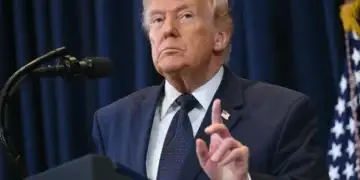
At the center of the crisis is a deadline issued by President Donald Trump, who has demanded that Iran reopen the Strait of Hormuz within 48 hours or face military strikes targeting critical infrastructure.
The Strait of Hormuz is one of the world’s most vital energy corridors, handling a significant share of global oil shipments. Any prolonged disruption could have cascading effects across supply chains, inflation, and economic growth worldwide.
Iran has responded with its own warnings, signaling that any attack on its infrastructure would trigger retaliation against key regional assets, including desalination facilities that supply water to millions across the Gulf. Such threats have raised fears that the conflict could extend beyond military targets into civilian systems, amplifying humanitarian and economic risks.
“A catastrophic scenario” for the region
Some policymakers and analysts have warned that escalation could produce consequences far beyond oil markets. Technology investor and policy advisor David Sacks recently cautioned that sustained infrastructure attacks could render large parts of the Gulf region uninhabitable.
The destruction of desalination plants, in particular, would threaten water supplies for tens of millions of people. In such a scenario, the crisis would shift from a geopolitical conflict to a humanitarian emergency, with long-term implications for regional stability and migration.
Despite these risks, neither side has indicated a willingness to de-escalate. Military activity continues to intensify, with the United States deploying additional amphibious ships and thousands of Marines to the Middle East. The buildup adds to an already significant U.S. military presence in the region.
Iran, for its part, has demonstrated expanding missile capabilities. A recent strike targeting a joint U.S.-U.K. base in the Indian Ocean, though unsuccessful, highlighted the potential reach of its arsenal and introduced new strategic considerations for Western allies.
Global alliances begin to take shape
International responses to the Strait of Hormuz crisis have been mixed but increasingly aligned along strategic lines. NATO leadership has voiced support for U.S. actions, framing the confrontation as part of a broader effort to contain nuclear and missile threats.
Regional actors are also recalibrating their positions. The United Arab Emirates, which has faced direct attacks in recent months, signaled support for a tougher stance on Iran. Officials emphasized the need for long-term security solutions that address not only immediate conflict but also the underlying risks tied to nuclear development and maritime control.
However, not all allies have committed to direct involvement. Some NATO members have resisted calls to provide naval escorts in the region, reflecting concerns about being drawn into a wider conflict.
Markets weigh military action versus economic pressure
As the deadline approaches, investors are assessing not only the likelihood of military confrontation but also alternative strategies that could shape the outcome.
One option gaining attention is a targeted economic approach, including restricting Iran’s oil exports through naval enforcement. Proponents argue that such measures could pressure Tehran to reopen the strait without triggering full-scale conflict.
This strategy, however, carries its own risks. Tightening global oil supply could push prices even higher in the short term, adding inflationary pressure to an already fragile global economy.
For markets, the key question remains whether the Strait of Hormuz crisis will escalate into direct military conflict or shift toward economic containment. The answer will likely determine the trajectory of energy prices, equity markets, and broader investor sentiment in the weeks ahead.