If they can pay cash, why borrow millions?
At first glance, it may seem surprising that billionaires using mortgages would finance luxury homes instead of paying cash. Yet even some of the wealthiest individuals in the world rely on large home loans as part of a broader financial strategy.
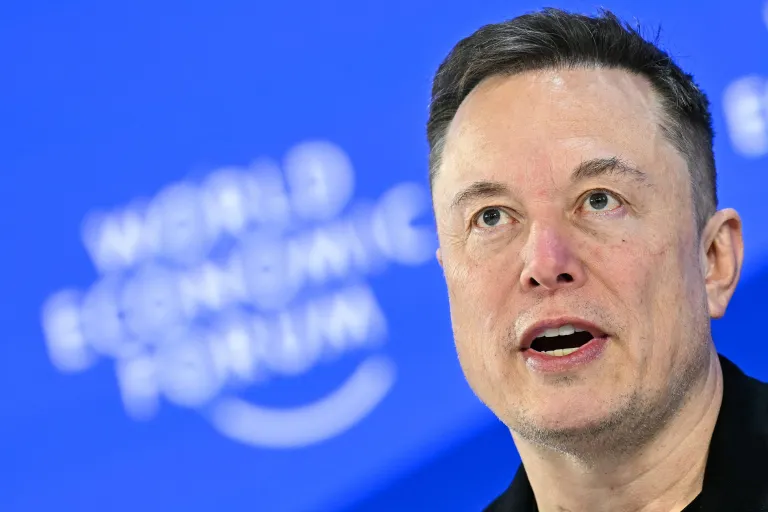
Tesla chief executive Elon Musk, currently the world’s richest individual with an estimated net worth exceeding $600 billion, has taken out sizable mortgages in the past. According to reports from the Los Angeles Times, Musk once borrowed about $61 million from Morgan Stanley to finance multiple California properties.
Given Musk’s immense wealth, the decision to take on a mortgage might appear unnecessary. However, financial advisors say the strategy reflects how ultra wealthy individuals manage capital, liquidity, and long term investment returns.
Keeping capital invested instead of locked in real estate
One key reason billionaires using mortgages choose financing is that most of their wealth is tied to investments rather than liquid cash.
Ultra high net worth individuals typically hold the majority of their assets in stocks, private companies, venture investments, or other appreciating assets. Selling those holdings to purchase property outright could trigger large tax obligations and reduce potential future gains.
“Ultra high net worth individuals think differently about liquidity and leverage,” said Miltiadis Kastanis, executive director of sales at real estate brokerage Compass. “They often prefer to keep capital deployed in investments or businesses instead of locking it into a single property.”
The approach allows wealthy buyers to maintain flexibility while continuing to benefit from investment growth. If their portfolios generate returns that exceed mortgage interest rates, borrowing can be financially advantageous.
Low interest rates made borrowing especially attractive
Another example of billionaires using mortgages comes from Meta founder and chief executive Mark Zuckerberg. In 2012, Zuckerberg refinanced his Palo Alto residence using a 30 year adjustable rate mortgage with an interest rate of just 1.05 percent.
At the time, interest rates in the United States were historically low. For wealthy borrowers, such conditions made mortgages extremely inexpensive compared with the potential returns available in the stock market or private investments.
With a rate that low, keeping nearly $6 million tied up in a home would have been inefficient from a capital allocation perspective. By financing the property instead, Zuckerberg was able to preserve liquidity while still owning the home.
Financial advisors say the logic is simple. If an investment portfolio generates higher returns than the cost of borrowing, using leverage through a mortgage can enhance overall wealth.
Tax and inflation advantages also play a role
Mortgages can also provide tax and financial planning benefits.
In the United States, mortgage interest may be partially deductible for homeowners who itemize their taxes. While deductions are capped on certain loan amounts, they can still reduce the effective cost of borrowing.
Beyond tax benefits, inflation can make borrowing more attractive over time. When inflation rises, the real value of debt declines, meaning borrowers effectively repay loans with money that is worth less in the future.
Islay Robinson, founder and chief executive of mortgage brokerage Enness Global, noted that financing property can help optimize financial planning in certain markets.
“Mortgages can allow for tax optimization in some jurisdictions, since interest payments may be deductible,” Robinson said. “In higher inflation environments, borrowing today and repaying later can also be advantageous.”
The strategy extends beyond tech billionaires
The practice is not limited to technology entrepreneurs. Celebrities and wealthy investors often use similar financing strategies when purchasing luxury real estate.
Hotel heiress and entrepreneur Paris Hilton, for example, reportedly secured a mortgage after purchasing a $63 million Beverly Hills estate from actor Mark Wahlberg. Hilton and her husband, Carter Reum, later took out a $43.75 million loan through JPMorgan Chase tied to the property.
Real estate professionals say the strategy is common among affluent buyers.
“It surprises many people, but it’s actually quite common for the ultra wealthy to take out mortgages,” said Evan Harlow, a real estate agent at Maui Elite Property. “Even when they could easily pay the full amount.”
What everyday buyers can take away
The financial strategies used by billionaires are often shaped by access to large investment portfolios, favorable lending terms, and sophisticated tax planning.
However, the underlying principle can still apply to everyday homeowners. The decision to finance a home purchase versus paying cash ultimately depends on how an individual wants their capital to work.
For many buyers, maintaining liquidity and continuing to invest may offer advantages compared with tying all available funds to a single property.
“The lesson isn’t necessarily to copy their exact approach,” Harlow said. “It’s to understand the idea that sometimes keeping your money flexible and invested can be the smarter financial move.”