Rising property tax bills ignite voter backlash
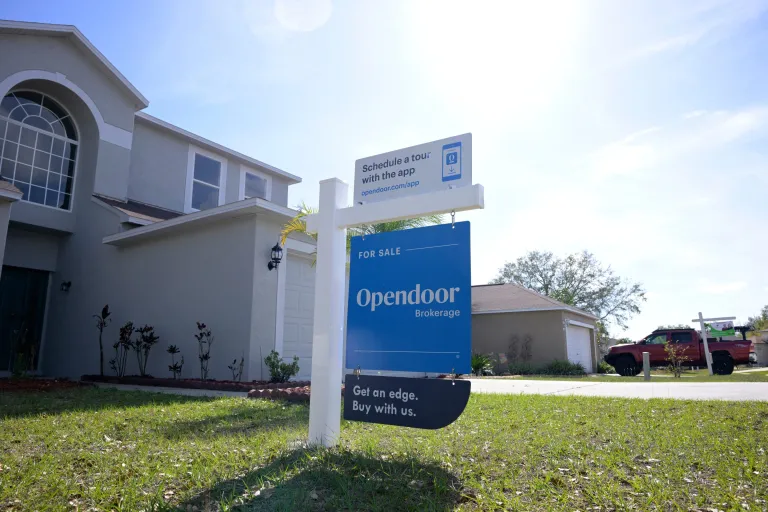
Across the United States, a growing property tax revolt is reshaping policy debates in state capitals. Lawmakers in multiple states are proposing cuts to property taxes as rising home values push annual tax bills higher for homeowners.
The property tax revolt is particularly visible in 2026, an election year for many governors and state legislators. Political pressure from voters concerned about housing costs has intensified calls for relief, forcing lawmakers to weigh tax reductions against the reality that property taxes remain the financial backbone of many local governments.
Real estate appreciation in recent years has significantly increased property assessments. While rising valuations have boosted household wealth on paper, they have also translated into higher tax obligations, prompting growing frustration among homeowners.
Manish Bhatt, a policy analyst at the Tax Foundation, said the trend is widespread across the country.
“The overwhelming trend across the states is relief for residential property owners,” Bhatt said, referring to the wave of proposals now circulating in legislatures.
Echoes of the Proposition 13 era
Observers have compared the current property tax revolt to earlier tax revolts, particularly California’s Proposition 13, the 1978 ballot initiative that dramatically limited property tax rates and capped increases in assessed property values.
That measure fundamentally reshaped California’s fiscal structure and influenced tax debates nationwide. Today’s movement reflects similar frustrations, though the policy environment is more complex.
Legislatures in states including Iowa, Kansas, Michigan, Missouri, Oklahoma, South Dakota, and Wisconsin have recently debated plans aimed at reducing property taxes. Some proposals involve direct tax cuts, while others attempt to shift the funding burden toward alternative revenue sources such as sales taxes.
Despite the momentum, experts say proposals to eliminate property taxes entirely face steep challenges.
Thomas Brosy, senior research associate at the Urban-Brookings Tax Policy Center, said the structural importance of property taxes makes full elimination unlikely.
“Completely slashing them is really unrealistic, since it really is the largest source of revenues for most local governments in the United States,” Brosy said.
Georgia’s proposal highlights political limits
Georgia recently became one of the clearest examples of how politically complicated these reforms can become.
A proposed constitutional amendment that could have cut property taxes for homeowners by 75 percent or more failed in the state legislature. Because constitutional amendments in Georgia require a two-thirds legislative vote, Republican supporters needed Democratic backing that ultimately did not materialize.
The measure, backed by Republican House Speaker Jon Burns, would have sharply reduced taxes on primary residences while encouraging local governments and school systems to rely more heavily on sales taxes.
Supporters argued the policy would deliver substantial relief to homeowners struggling with rapidly increasing property tax bills.
State House Ways and Means Committee Chairman Shaw Blackmon said many residents fear rising taxes could eventually force them to leave their homes.
Opponents, however, argued the plan did not present a viable fiscal alternative.
House Democratic Minority Leader Carolyn Hugley said local governments would likely struggle to replace the lost revenue through sales taxes alone, describing the proposal as an election-year political maneuver.
“The math’s just not math-ing. It just does not add up,” Hugley said during legislative debate.
Can sales taxes fill the gap?
Some states are exploring ways to replace property tax revenue by expanding or increasing sales taxes, though economists warn such shifts may create new challenges.
In South Dakota, Governor Larry Rhoden has proposed allowing counties to adopt an additional half-percent sales tax to generate credits that would offset homeowners’ property tax bills. The state has even launched an online calculator to estimate potential savings for residents.
Meanwhile, Michigan lawmakers are considering a broader restructuring plan that would tax currently untaxed services and use the revenue to eliminate several property-related taxes.
However, tax experts caution that relying more heavily on sales taxes may shift the financial burden toward lower-income households.
Sales taxes tend to be more regressive than property taxes, meaning they consume a larger share of income from poorer families.
Another structural issue is geography. Communities with limited retail activity may struggle to generate sufficient revenue through sales taxes, leaving local governments with fewer viable options to maintain funding for schools, public safety, and infrastructure.
For now, the property tax revolt continues to gain political traction. Yet the deeper challenge remains unresolved, how states can deliver tax relief without destabilizing the public services that property taxes have long financed.