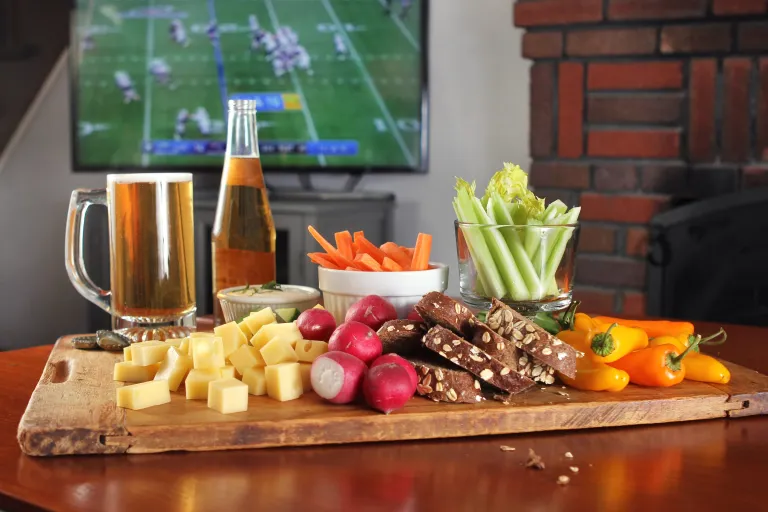
Hosting a Super Bowl gathering in 2026 may feel expensive at the checkout counter, but new analysis suggests it is one of the few consumer experiences still outpacing inflation. According to the Agri-Food Institute at Wells Fargo, the average Super Bowl party for 10 people will cost about $140 this year, a figure that represents modest growth compared with broader food inflation.
That estimate puts Super Bowl party costs beat inflation into clear focus. The total bill is up just 1.6% from last year’s $138, while food-at-home prices, as measured by the consumer price index, have risen closer to 2.4%. At the same time, average hourly wages are up nearly 4%, giving consumers slightly more flexibility to entertain without scaling back their menus.
Value Still Feels Abstract at the Grocery Store
Even with favorable math, many shoppers may struggle to feel the savings in real time. Food prices remain uneven across categories, and the experience of grocery shopping can still produce sticker shock.
Michael Swanson, an agricultural economist with Wells Fargo, says perception often lags reality. Consumers tend to remember the total on the receipt rather than the economic context behind it. The value of a Super Bowl spread, he argues, comes down to choosing items that deliver the most food and satisfaction per dollar.
Convenience also matters. Foods that require minimal preparation and cleanup continue to dominate game day menus, reinforcing trends that have shaped Super Bowl eating habits for decades.
Chicken Wings Take Center Stage
If there is a clear winner in the 2026 lineup, it is chicken wings. Retail prices for fresh wings have fallen nearly 3% over the past year, averaging about $3.47 per pound. Wells Fargo attributes the decline to higher broiler production and lower feed costs, particularly corn.
Measured against wages, the affordability gap between proteins is striking. One hour of work now buys more than 12 pounds of chicken, compared with just over three pounds of beef. From a historical perspective, chicken is as affordable as it has ever been in Wells Fargo’s data, while beef offers roughly the same value it did a decade ago.
Lower feed prices also support other Super Bowl staples. Tortilla chip prices are down slightly, and avocado prices have eased thanks to strong supply from Mexico. Frozen pizzas have also seen modest price declines as manufacturers benefit from more efficient ingredient sourcing.
Together, these categories explain why Super Bowl party costs beat inflation in 2026. The menu leans heavily toward poultry and snack foods rather than beef-centric meals, insulating hosts from the steepest food price increases.
When Themes Help, and When They Hurt
Regional or team-themed menus can still work, depending on the ingredients involved. Chicken-based dishes, including teriyaki, remain cost-effective. Cream-based soups and potato-heavy recipes are also relatively affordable, provided premium seafood is used sparingly.
Seafood, however, is one area where hosts may want to show restraint. Shrimp prices have climbed more than 8% year over year as global supply conditions normalize. While still cheaper than beef on a per-pound basis, shrimp represents one of the fastest-rising items in the Super Bowl food basket.
Vegetable platters are also becoming more expensive. Prices for broccoli, cauliflower, celery, and cherry tomatoes have all moved higher due to tighter supplies and stronger demand. Dips such as salsa and onion-based spreads are rising more slowly, but manufacturing labor costs are pushing prices up across processed foods.
Protein Demand Shapes the Future Menu
Looking ahead, Swanson expects chicken to remain a central feature of Super Bowl spreads. One reason is the growing influence of GLP-1 weight-loss drugs, which are reshaping how Americans think about portion size and nutrition. These medications tend to favor protein-heavy diets, reinforcing demand for poultry and protein-enhanced foods.
Food manufacturers are responding quickly. Whey protein and milk protein concentrates are in high demand, particularly for bars and ready-to-drink products. While those items are not traditional Super Bowl fare yet, their popularity reflects broader shifts in consumer priorities toward convenience, taste, and nutritional value.
For now, the economics of the big game remain relatively friendly. Super Bowl party costs beat inflation not because prices are falling across the board, but because smart menu choices align well with today’s food supply dynamics.