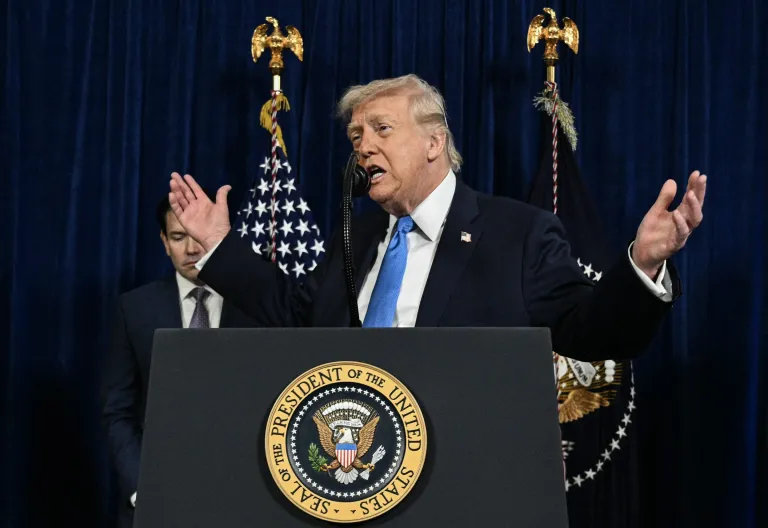
President Donald Trump is pressing U.S. and European oil companies to commit at least $100 billion toward rebuilding Venezuela’s long-declining oil industry, arguing the effort could quickly restore production and generate shared wealth for both countries. Yet executives from the world’s largest energy producers delivered a far more cautious assessment, warning that Venezuela oil investment remains unrealistic without sweeping legal, political, and security reforms.
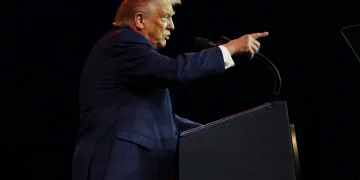
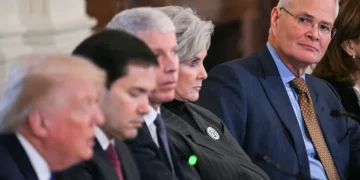
Speaking at the White House on January 9, Trump said international oil companies could “very rapidly rebuild” Venezuela’s dilapidated energy sector. The proposal comes days after U.S. military action in the country and the arrest of longtime leader Nicolás Maduro, events Trump has framed as necessary steps to reset Venezuela’s economic and political system.
Exxon delivers a blunt assessment
Executives quickly pushed back on the idea that capital would flow easily. ExxonMobil Chairman and CEO Darren Woods described Venezuela as “uninvestable” under current conditions, citing weak rule of law, fragile security, and a long history of asset seizures.
Exxon’s experience in the country looms large. The company’s assets were expropriated twice, most recently in 2007, an episode Trump frequently references as justification for his hardline stance. Woods said Exxon could deploy a technical assessment team within weeks, but stressed that any long-term commitment would require durable protections for foreign investors and fundamental changes to commercial frameworks.
The message underscored a broader concern among multinational energy firms, which see Venezuela’s vast reserves as attractive but politically risky after decades of state control and mismanagement.
Chevron’s head start, others remain cautious
Among U.S. producers, Chevron stands apart as the only major American oil company still operating in Venezuela under a special license. Vice Chairman Mark Nelson told Trump that Chevron could increase output by about 50 percent within two years under an initial phase of development.
That increase would lift national production from roughly one million barrels per day to just over 1.1 million, still far below Venezuela’s peak of nearly four million barrels per day reached decades ago. Analysts say Chevron’s partnership with state oil company PDVSA and its existing infrastructure give it a clear advantage over rivals that exited the country years ago.
Other U.S. producers, including ConocoPhillips, expressed interest but emphasized that major reforms must come first. Conoco CEO Ryan Lance said any serious Venezuela oil investment would require restructuring the entire energy system, including PDVSA itself. Conoco remains the largest creditor tied to past Venezuelan expropriations, with roughly $12 billion in write-offs that Trump said would not be reimbursed.
Big ambitions meet long timelines
Independent estimates highlight the scale of the challenge. Research firm Rystad Energy estimates that more than doubling current production could take until 2030 and require roughly $110 billion in investment. Tripling output to levels seen around 2000 could cost closer to $185 billion and take well over a decade.
European producers also signaled conditional interest. Italy’s Eni and Spain’s Repsol said they want to expand their joint ventures, while Shell CEO Wael Sawan suggested his company might invest several billion dollars. Oilfield services giants Halliburton and SLB indicated they would follow their clients if projects move forward.
Energy consultant Dan Pickering said much of the executive commentary amounted to political goodwill rather than firm commitments. Interest is high, he noted, but willingness to risk billions in an unstable environment remains uncertain.
Strategic stakes for Washington and markets
For Trump, the push is as much about domestic economics as foreign policy. He reiterated plans for the U.S. to take at least 30 million barrels of Venezuelan crude over time, route it to the Gulf Coast, and sell it through U.S. refiners. Several major refiners, including Valero Energy and Marathon Petroleum, told Trump they are equipped to handle Venezuela’s heavy crude grades.
Greater Venezuelan supply could lower gasoline prices, a political priority for the administration, but it would also pressure U.S. shale producers by adding global supply. That tension explains why many American oil companies view Venezuela’s reopening as more threat than opportunity.
Until legal certainty and political stability are established, executives say Venezuela oil investment will remain a long-term prospect rather than the rapid turnaround envisioned by the White House.