A New Kind of Billionaire
In an age dominated by algorithms and automation, the world’s youngest self-made billionaire has built a fortune doing the one thing machines can’t: understanding humanity.
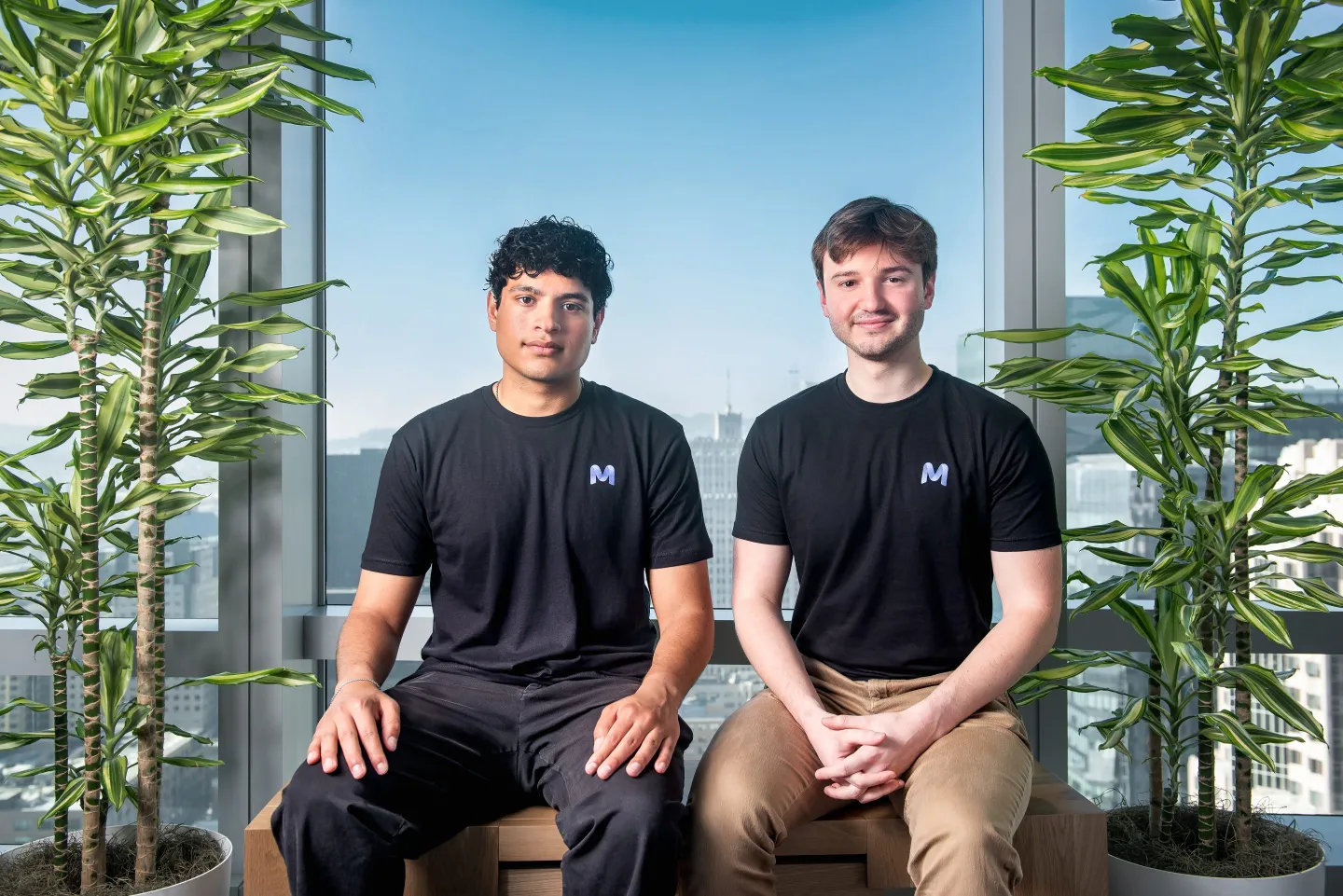
At 25 years old, this Silicon Valley founder has become a global sensation after launching Anthropic-inspired AI systems that integrate emotion, reasoning, and human ethics directly into machine learning frameworks. His company, valued at over $12 billion, focuses on teaching artificial intelligence “what only humans know.”
“I skipped my college finals to work on something I believed mattered more,” he told Millionaire MNL. “It wasn’t about grades or degrees. It was about giving AI the ability to reason like us, not just compute faster than us.”
From Dropout to Visionary Founder
The young entrepreneur, who has chosen to remain largely private despite his growing fame, was studying computational neuroscience when he dropped out of university during his sophomore year.
He spent the next three years building a neural framework designed to replicate the cognitive subtleties of empathy, intuition, and moral judgment, traits that traditional large language models lack.
His early research caught the attention of several Silicon Valley investors, including Sequoia Capital, Andreessen Horowitz, and Tiger Global, who together fueled an early funding round that propelled the company from stealth mode to unicorn status in under 18 months.
By the time he turned 24, his net worth had surpassed $1 billion, thanks to his company’s AI training infrastructure now licensed by corporations, governments, and research institutions worldwide.
Teaching AI ‘the Human Operating System’
At the heart of his company’s success is a philosophy that challenges conventional AI development: that machines must learn not just data – but context, culture, and conscience.
“Machines can simulate knowledge,” he explained, “but they can’t understand meaning without human grounding. So we started designing algorithms that learn from human interactions the way a mentor trains an apprentice.”
This process involves reinforcement through human feedback, multi-sensory training data, and real-time ethical calibration, a blend of psychology, philosophy, and AI engineering.
“Think of it as teaching empathy at scale,” said one company engineer. “We’re building technology that doesn’t just respond, but relates.”
The Billion-Dollar Impact
The company’s first flagship product, an AI assistant known for its “emotional fluency” and judgment-based reasoning, has already been adopted by major healthcare systems, education platforms, and customer service providers seeking more natural, human-like engagement.
Unlike earlier AI models, which often stumbled over nuance or morality, the system can weigh intent, tone, and cultural context before producing responses.
According to Goldman Sachs analysts, the startup’s model could reshape entire industries, particularly where trust and empathy matter most, such as mental health, coaching, and education.
“This isn’t about replacing humans,” the billionaire founder clarified. “It’s about expanding what humans can do with smarter tools.”
Rethinking Intelligence, and Success
The founder’s journey has drawn comparisons to Elon Musk’s early Tesla years and Sam Altman’s rise at OpenAI, though he distances himself from the “AI arms race” mentality.
“I’m not building AI to compete with other companies,” he said. “I’m building it to complement human intelligence. If we can align machines with human values, the possibilities are infinite.”
Despite his wealth, he lives modestly in Palo Alto, working 12-hour days and cycling to his office instead of owning a car. His philosophy on success mirrors his engineering ethos: simplify, humanize, repeat.
Critics and Challenges
Not everyone agrees with his approach. Some AI ethicists warn that trying to “encode morality” into machines risks introducing bias and cultural subjectivity. Others say the company’s closed training methods lack transparency.
But investors remain confident. “He’s solving the hardest problem in AI, how to make it human,” said one early backer. “That’s a trillion-dollar challenge.”
The company has since partnered with top global universities to develop ethical AI frameworks and has even begun training “digital empathy modules” for government and humanitarian use.
The Future of Human-Centric AI
When asked about what comes next, the young founder doesn’t talk about valuations or IPOs. He talks about philosophy.
“We built systems that can think,” he said. “Now we need to teach them to care.”
It’s a simple statement, but one that encapsulates the shift he’s ignited in the AI world: that the next great frontier of artificial intelligence isn’t machine learning, it’s human learning.