The Blurred Line Between Wall Street and Main Street
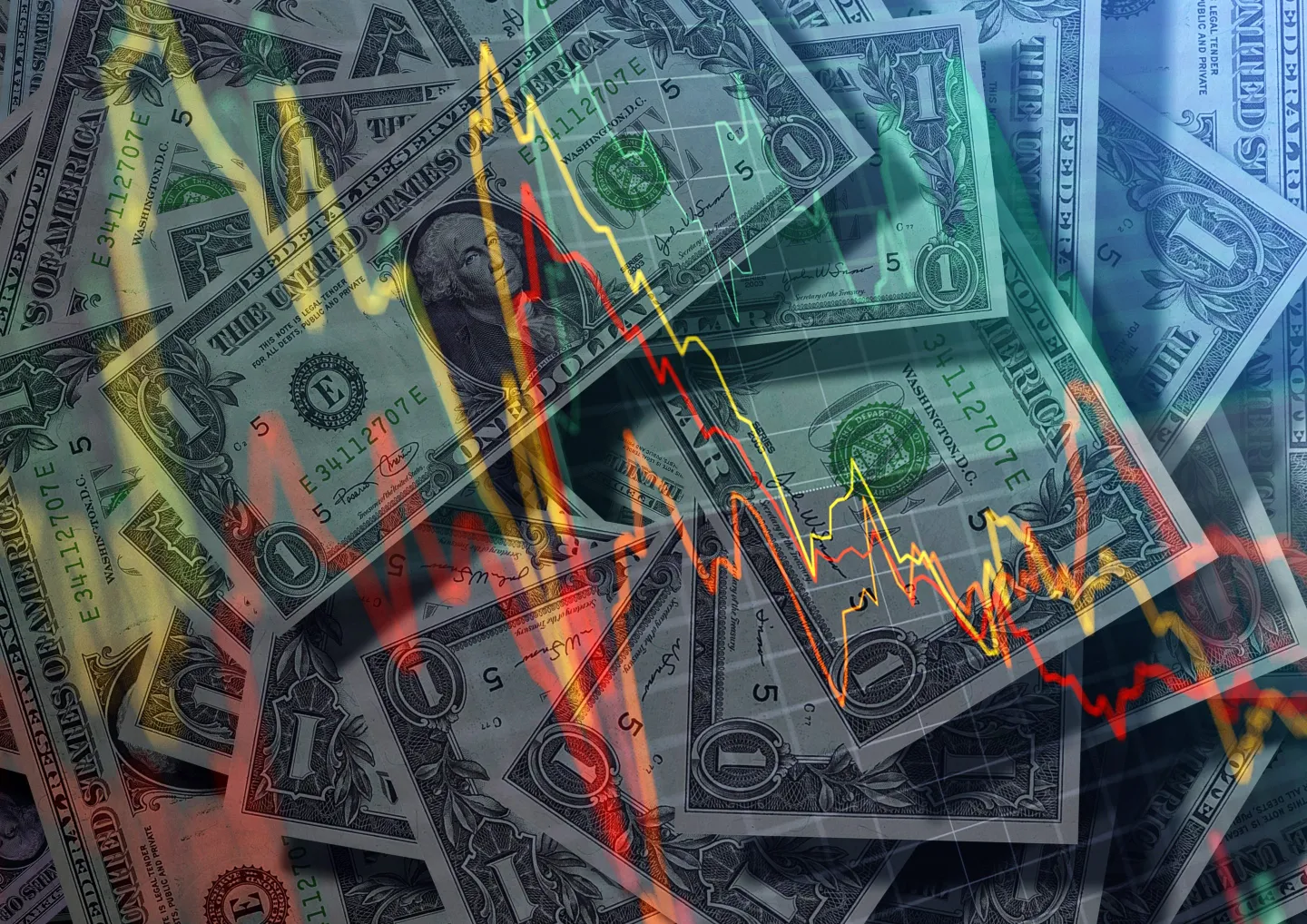
Once upon a time, the stock market and the economy were distinct worlds, one reflecting investor sentiment, the other shaped by jobs, wages, and production. But that line has all but vanished.
In 2025, the two have become so intertwined that policymakers can’t easily support one without propping up the other. That reality gives both the Federal Reserve and Congress more reason, and arguably more pressure, to step in when markets falter.
“The market isn’t just a reflection of the economy anymore,” said Michael Gapen, chief U.S. economist at Bank of America. “It’s a pillar of it. When stocks stumble, consumer confidence, corporate investment, and political stability all take a hit.”
The Financialization of Everything
The U.S. economy is more dependent on financial markets than ever before. Roughly 58% of American households now own stock, either directly or through retirement funds, the highest level on record, according to Federal Reserve data.
That means Wall Street’s health directly affects Main Street’s wealth. When markets rise, consumer spending increases; when they fall, households tighten budgets.
Corporate America has also become deeply tied to stock performance. Many companies use share price targets to guide compensation, capital investment, and even hiring decisions. “When markets wobble, business confidence wobbles,” said Diane Swonk, chief economist at KPMG.
The result is a feedback loop: the stock market drives the economy as much as it reflects it.
The Fed’s Expanding Role
Nowhere is the connection more evident than in the Federal Reserve’s approach to monetary policy.
During past decades, the Fed focused narrowly on inflation and employment. Today, it must also consider asset prices, because a sudden market downturn could cascade through household wealth, credit markets, and business confidence.
“When equities fall 20%, it’s not just a headline, it’s a macroeconomic event,” said David Mericle, chief U.S. economist at Goldman Sachs. “That’s why the Fed can’t ignore financial conditions anymore.”
Indeed, analysts say the Fed’s recent rate cuts, intended to stabilize growth amid trade tensions and slowing inflation, also reflect a desire to cushion Wall Street. The central bank now regularly monitors equity volatility alongside traditional data like unemployment and consumer spending.
Critics call it a form of “financial moral hazard”, the belief that policymakers will always rescue markets. But supporters argue that the alternative, allowing a market crash to spiral into an economic crisis, is politically and economically untenable.
Congress’s Stake in Market Stability
The U.S. political system has also become more tethered to market performance. Legislators know that stock declines can erase retirement savings, chill investment, and damage voter confidence, especially in an election year.
As a result, bipartisan support for market interventions has grown. During the pandemic, Congress approved trillions in fiscal stimulus and emergency credit programs, much of which indirectly supported corporate balance sheets and financial markets.
“Congress can’t afford to let Wall Street collapse because too many Americans are now Wall Street,” said Sarah Binder, political economist at George Washington University. “The market has become a proxy for national prosperity.”
Even modest corrections can influence fiscal priorities. Falling stock valuations tighten capital access for small businesses and startups, prompting lawmakers to consider tax incentives or relief programs to restore momentum.
A System Built on Confidence
The growing overlap between the economy and financial markets has created what analysts call a “confidence economy.”
When stocks rise, optimism spreads. Consumers spend, businesses expand, and politicians celebrate. When markets fall, the mood shifts, sometimes overnight.
“It’s psychological and structural at the same time,” said Swonk. “The market is the economy’s emotional core now.”
That dependence amplifies the challenge for policymakers: they must balance economic fundamentals with investor sentiment, often blurring the line between stabilizing the economy and managing perceptions.
The Risk of Overdependence
Yet the convergence comes with risks. Critics warn that an overreliance on asset prices could distort long-term policy and widen inequality.
“The Fed’s implicit protection of asset holders favors the wealthy,” said William Spriggs, chief economist at the AFL-CIO. “When market support becomes economic policy, those without assets get left behind.”
The risk is also structural: if markets come to expect rescue, they may take on more risk, inflating bubbles that make the next crash even more painful.
“This is the paradox of financialization,” said Gapen. “We’ve made markets too important to fail, but in doing so, we’ve made them too fragile to trust.”
What Happens Next
Analysts say the entanglement of markets and the real economy will only deepen in the years ahead, as technology and participation democratize investing. Retail traders, 401(k) savers, and passive index funds now represent an enormous share of market activity, ensuring that Wall Street’s moves ripple through every household.
That reality leaves the Fed and Congress with little choice. “You can’t separate Wall Street from the economy anymore,” said Mericle. “The next recession will be managed through both, monetary easing and financial backstopping, because one depends on the other.”
The Bottom Line
The line between Wall Street and Main Street is no longer a wall, it’s a bridge.
As markets and the economy move in lockstep, the Fed and Congress are becoming not just stewards of growth, but custodians of confidence. Their actions – from rate cuts to fiscal stimulus – now serve a dual purpose: stabilizing the economy and keeping the market faith alive.
In modern America, helping Wall Street may be the only way to help everyone else.