A Trade Showdown Sparks Global Panic
Global markets fell sharply on Monday after Beijing announced a sweeping ban on U.S. shipping operations, marking the most aggressive escalation in trade tensions since the early days of the Trump administration.
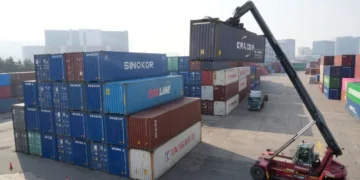
The move, aimed at curbing American vessels from entering Chinese ports, immediately sent shockwaves through equities, energy, and logistics sectors worldwide.
The S&P 500 dropped 2.8%, the Dow Jones fell over 900 points, and Brent crude prices spiked above $98 per barrel on fears of supply chain disruptions. Asian markets closed deep in the red, with Hong Kong’s Hang Seng Index plunging nearly 5%.
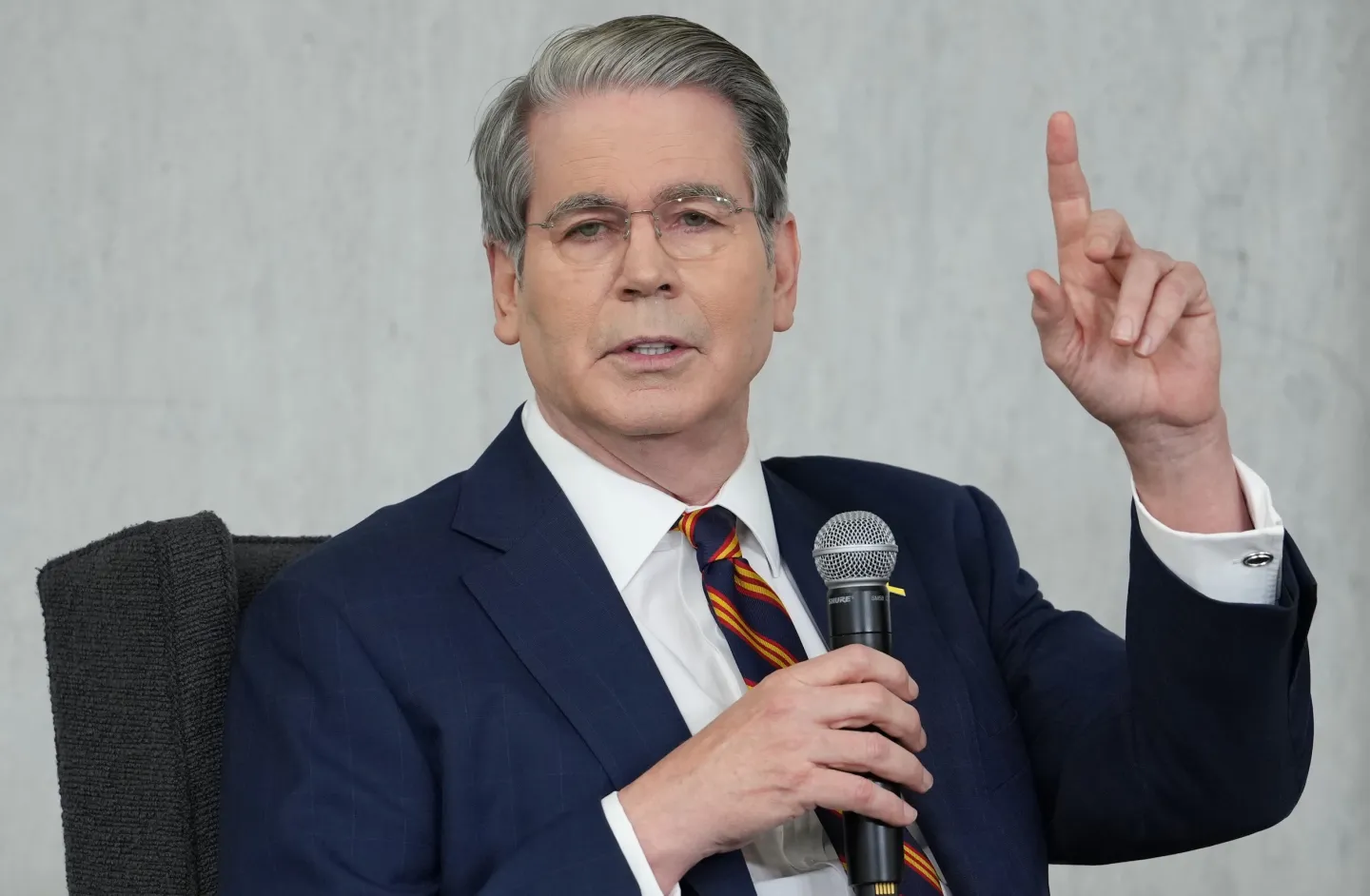
“This is not a warning shot – it’s a declaration of economic war,” said Scott Bessent, founder of Key Square Capital and a prominent investor aligned with U.S. industrial policy advisors. “But China will be hurt the most if it refuses to surrender.”
Beijing’s Calculated Retaliation
China’s Ministry of Commerce said the ban was a response to new U.S. technology export restrictions and “hostile interference” in regional trade routes. The measure halts not only direct U.S.-flagged cargo but also vessels operated by companies under American ownership or charter.
“This is Beijing’s attempt to weaponize trade routes,” said a senior analyst at Eurasia Group. “But it’s a high-risk gamble – the global logistics network is deeply intertwined with American capital and insurance systems.”
The ripple effects were immediate. U.S. shipping giants like Maersk’s American operations, FedEx Logistics, and Matson Inc. all saw their shares tumble, while insurers scrambled to reprice Asia-Pacific freight contracts.
Bessent’s Warning: China’s Leverage Is Shrinking
Bessent, a veteran macro investor and former lieutenant to George Soros, argued that the move reflects China’s weakening leverage in global trade.
“China’s exports rely on access to Western logistics and demand,” he said in a televised interview. “If they cut themselves off, it’s not America that suffers first – it’s China’s own manufacturing engine.”
According to Key Square’s latest research, China’s export volumes to the U.S. have fallen nearly 28% since 2018, while manufacturing PMI data continues to show contraction across core industries.
“This ban may play well politically at home,” Bessent added, “but economically, it’s self-destructive.”
Global Markets React With Alarm
The fallout from Beijing’s announcement was swift and broad-based.
-
Energy and shipping stocks surged as traders anticipated supply disruptions.
-
Tech and manufacturing sectors plunged, led by Apple, Nvidia, and Caterpillar – all heavily exposed to Asia-Pacific production chains.
-
Treasury yields dropped as investors rushed to safe-haven assets, while gold soared above $2,550 per ounce, its highest level in six months.
“The market’s message is clear: investors are pricing in escalation, not de-escalation,” said Megan Greene, chief economist at the Kroll Institute. “There’s no obvious off-ramp right now.”
Washington’s Response: ‘We Will Not Back Down’
The White House condemned the shipping ban as “a violation of international trade norms” and vowed coordinated action with allies.
Officials are reportedly in talks with Japan, South Korea, and Australia to establish an emergency Pacific Supply Corridor – a coalition route designed to keep key goods flowing even without Chinese port access.
“Beijing is playing with fire,” said one senior U.S. trade advisor. “Every time they weaponize trade, they accelerate the decoupling they claim to fear.”
China Faces Internal Pressure
Inside China, the decision underscores rising nationalist rhetoric as economic headwinds mount. Domestic consumption remains weak, youth unemployment is high, and foreign investment has fallen to its lowest level in over a decade.
“This move may be more about politics than economics,” said a Beijing-based economist who requested anonymity. “It’s about projecting strength amid stagnation.”
Yet even within Chinese state media, cautious voices warned of collateral damage. A recent editorial in Global Times acknowledged that “certain sectors reliant on foreign logistics and components may face short-term disruption.”
The Bigger Picture: A New Era of Economic Fragmentation
Analysts say the shipping ban marks a turning point in global trade – one that could reshape supply chains, commodity flows, and corporate risk models for years to come.
“Decoupling used to be theoretical,” said Oxford Economics strategist Adam Slater. “Now it’s becoming literal – in ships, ports, and trade routes.”
Some experts see echoes of the 1970s oil shocks, when geopolitics redefined global markets overnight. Others warn this could accelerate inflationary pressure, particularly in energy and consumer goods.
Bessent’s Final Word: ‘Markets Reward Strength’
Despite market turmoil, Bessent remained confident that the U.S. – and not China – would emerge stronger.
“Markets reward rule of law and transparency,” he said. “China is risking both by using economic coercion as policy. In the long run, global capital will always choose freedom over fear.”
As the standoff deepens, investors are bracing for volatility to define the weeks ahead. “This is not a one-day selloff,” said one hedge fund manager. “It’s the start of a new global realignment – and nobody’s portfolio is immune.”