An important U.S. housing indicator just dropped to its lowest point since the COVID-19 shutdowns, and economists are sounding alarms. Building permits, which several analysts say is the “most critical economic variable” for predicting recessions, have now weakened significantly. The move has stirred concern that the U.S. economy may be closer to contraction than many had assumed.
What Exactly Happened
-
The algorithm used by Moody’s Analytics, led by economist Mark Zandi, identified building permits as the top housing-related predictor of recessions.
-
After holding up relatively well earlier, building permits have now slipped, reaching levels not seen since the pandemic shutdowns in 2020.
-
For context: In July, residential building permits were at a season-adjusted annual rate around 1.35 million, down about 2.8% from the prior month and roughly 5.7% lower year-over-year.
Why Building Permits Matter
Building permits are a forward-looking housing metric. Here’s why economists pay close attention to them:
-
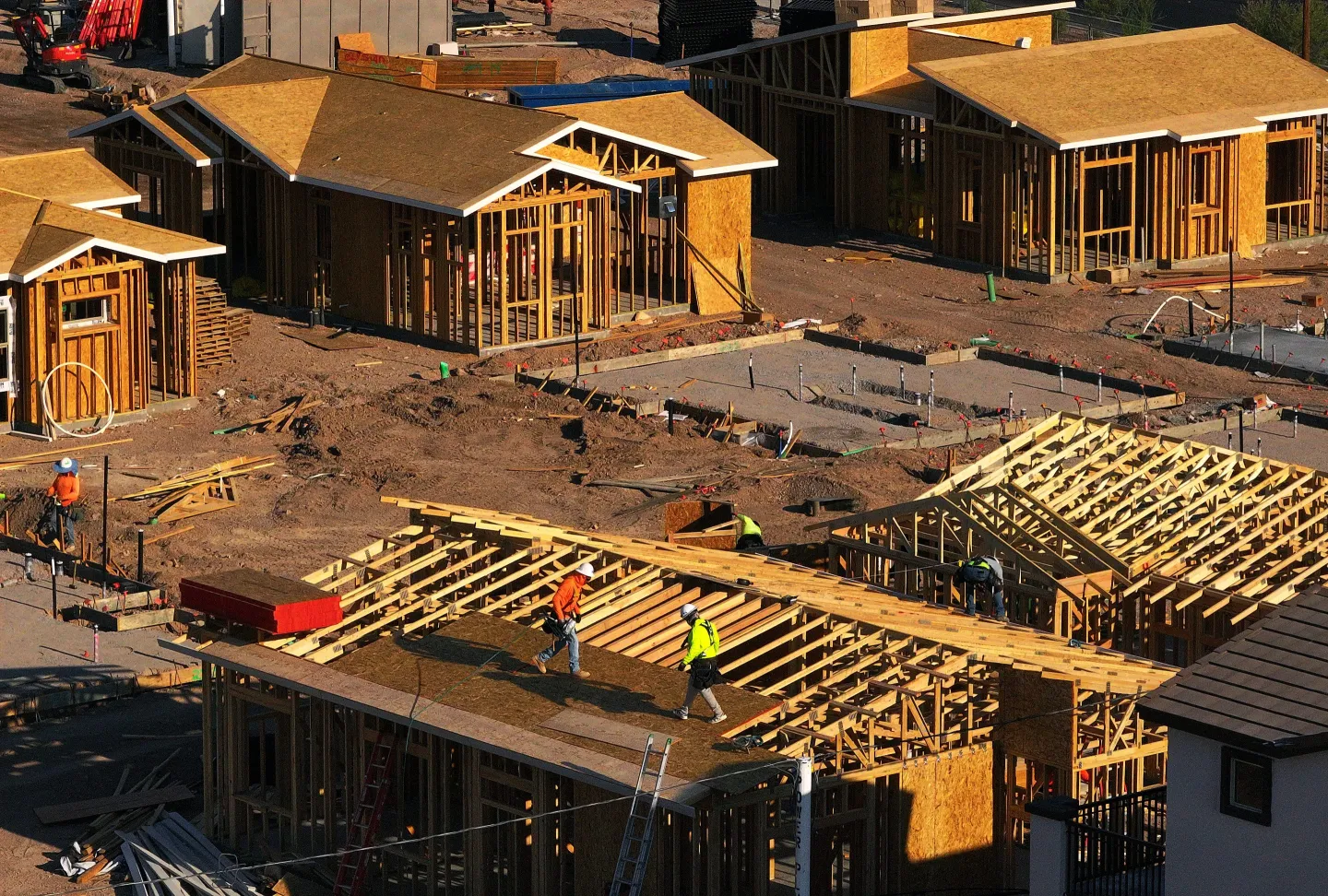
They signal how many new housing units builders expect to start in the near future. When permits decline, new construction usually follows. That means fewer construction jobs, lower demand for related industries, and less economic momentum.
-
Housing construction is very sensitive to interest rates, lending standards, materials costs, and labor availability. Weakness in this sector can ripple out through manufacturing, employment, household purchases, and overall investment.
-
Historically, drops in permits have often preceded or accompanied economic slowdowns. Because permits reflect future demand, they can serve as an early warning sign.
What the Decline Suggests
The current low level of building permits suggests several risk factors for the U.S. economy:
-
Cooling Housing Demand
High interest rates, tight mortgage financing, and affordability issues are discouraging new builds. Builders are reacting by pulling back. -
Potential Spillover to Jobs & Materials
Reduced construction means fewer jobs in construction, fewer orders for building materials, less activity for subcontractors. The multiplier effect could slow economic growth even if consumer demand in other areas remains stable. -
Inventory Pressures & Price Adjustments
With fewer new homes being authorized or built, supply could tighten over time, unless demand falls sharply. That mismatch can affect housing prices, which in turn feed into consumer wealth, household borrowing, and spending. -
Heightened Recession Risk
Because building permits are now at such a low base, many economists see this as increasing the odds of recession. The decline suggests that many actors in the economy expect demand to weaken further.
But It’s Not a Guarantee
While the building permits drop is troubling, there are reasons to be cautious before concluding a recession is certain:
-
Some builders may delay permit applications or hold back on projects due to temporary input costs, supply disruptions, or regulatory/permitting delays, not necessarily because underlying demand is evaporating.
-
The housing market is influenced by regional variation. Some geographic areas may still see strong demand, while others weaken a lot. National permits aggregate across all regions, so the signal can mask local strength or weakness.
-
Other macroeconomic variables could offset housing weakness: consumer spending, employment outside construction, exports, and fiscal or monetary policy actions may help cushion a downturn.
-
Permits are a leading indicator, but not always perfectly timed. Past recessions have had mixed timing relative to housing metrics.
What To Watch Next
To see if this signal becomes a full recession warning, keep an eye on:
-
Housing starts: These are what happens once permits are converted into actual construction. If starts drop sharply, that confirms builders are following through on cooling expectations.
-
Builder sentiment: Surveys from the NAHB (National Association of Home Builders) and other groups often give early insight into how builders see the outlook.
-
Mortgage rates and lending conditions: If rates stay high or lending standards tighten further, affordability worsens and demand will likely fall more.
-
Job growth in construction & related sectors: Losses here tend to spread, since many workers and suppliers depend on housing activity.
-
Consumer confidence & households’ financial health: If households feel squeezed by inflation, borrowing costs, or debt, spending will drop, affecting broader economic performance.
The Bottom Line
Building permits have dropped to their weakest level since the pandemic shutdowns. Because of their historical reliability as a forward-looking metric, many economists view this as one of the most critical economic variables for predicting recessions.
It doesn’t guarantee a downturn, but it raises the stakes significantly. If housing doesn’t show signs of recovery, then weakness in that sector is likely to ripple outward, adding to recession risk.